


NDIS Overhaul 2026: Key Changes, Cuts & What Happens Next
Big changes are coming to the NDIS in 2026. From new eligibility rules to funding reforms, here’s what the overhaul means and what happens next.
Living with fibromyalgia means managing symptoms that can shift day to day, sometimes hour to hour. Pain, stiffness, fatigue and cognitive fog can make even simple daily tasks feel overwhelming. For many people in Melbourne, traditional gym exercise can feel impossible, often triggering flare-ups instead of relief.
Hydrotherapy exercises for fibromyalgia offers a gentler, more supportive alternative. Exercising in warm water helps reduce pain, promote relaxation and improve mobility, all without placing extra stress on sensitive muscles and joints. This makes hydrotherapy exercises for fibromyalgia one of the most effective and widely recommended forms of movement.
In this updated 2025 guide, you’ll learn:
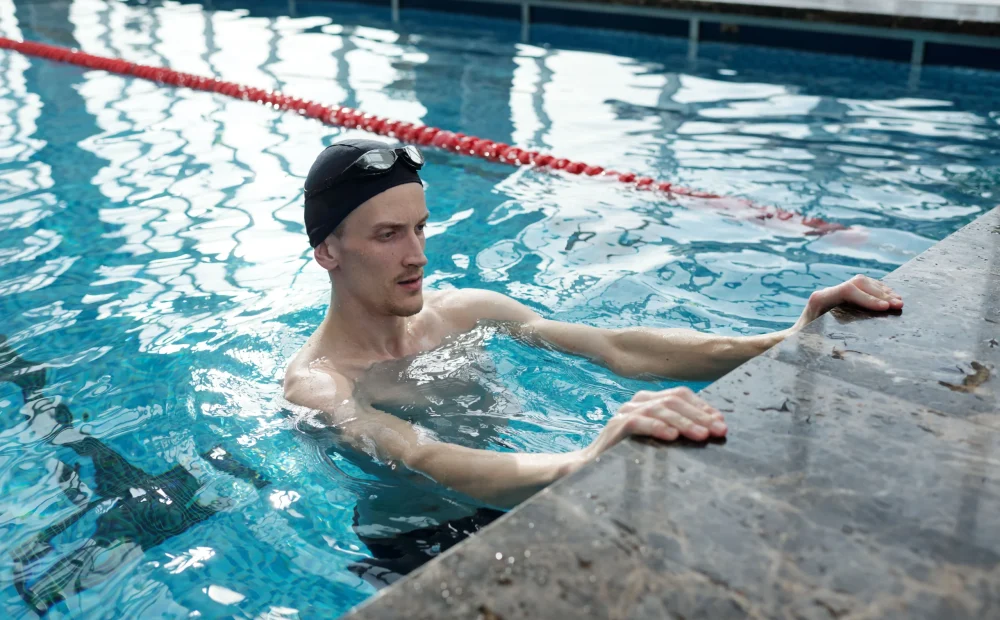
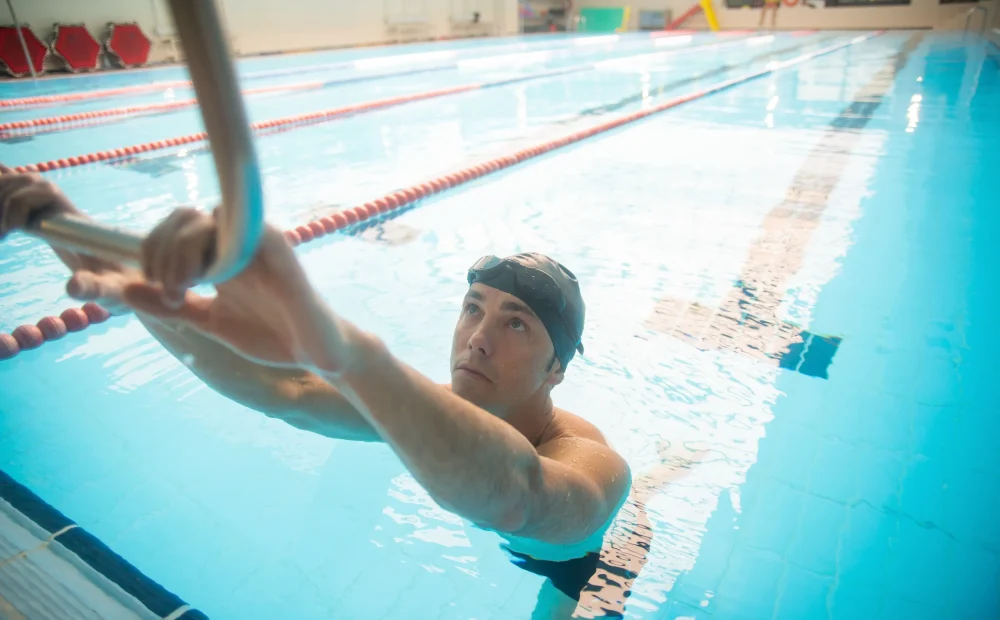
Hydrotherapy (also called aquatic physiotherapy) is a therapist-guided exercise program performed in a warm pool. The water is typically heated between 33–36°C, creating a soothing environment that reduces pain and encourages movement.
To understand how aquatic therapy supports people with disabilities in a practical, accessible way, you can explore how mobile aquatic physiotherapy supports people with disabilities.
Fibromyalgia involves a heightened pain response, muscle tension, nervous system sensitivity and difficulty recovering from exertion. Hydrotherapy exercises for fibromyalgia works by reducing the intensity of movement and calming the nervous system so exercise becomes safer and more manageable.
1. Buoyancy reduces pressure and pain: Warm water supports a significant portion of your body weight. This reduces loading on painful joints and swollen or tight muscles, which makes it easier to move without triggering symptoms. People often report they can do movements in water that they can’t manage on land.
2. Water resistance strengthens the body gently: Water naturally creates resistance in every direction. This allows you to strengthen muscles without weights or impact. Movements are slower, smoother and more controlled, which is ideal for people with fibromyalgia who are sensitive to over-exertion.
3. Heat relaxes tight muscles and calms the nervous system: Warm water reduces muscle spasm, improves circulation and soothes the stress response. To see how warm-water therapy benefits other chronic conditions, explore how hydrotherapy supports arthritis management.
Hydrotherapy has been consistently shown to help with both the physical and emotional challenges of fibromyalgia.
All exercises can be adapted to your comfort level and completed in a hydrotherapy pool or warm home pool. These exercises should always be performed slowly, with full control. If anything increases pain, shorten the movement or stop.
These warm-ups increase circulation and prepare your muscles.
Strengthening is essential for joint stability and long-term mobility.
Stretching reduces stiffness and improves mobility.
These help with stability, posture, and functional movement.
Melbourne offers many hydrotherapy pools designed for people with chronic pain, mobility challenges and NDIS support needs.
When choosing a pool, look for:
If travel is difficult due to pain, fatigue or transport barriers, mobile physio services like Roaming Therapy can help with home-based programs, hydrotherapy planning and pre-/post-pool sessions.
Living with fibromyalgia means navigating a variety of physical, emotional, and logistical challenges. Here’s how hydrotherapy can address some of the most common issues:
Fibromyalgia causes daily pain and limitations. So, even basic tasks can be hard.
How Hydrotherapy Helps: Hydrotherapy provides a gentle, low-impact alternative to traditional exercise. Water’s buoyancy relieves joint pressure to help you move without pain or fatigue. Also, the warmth of a hydrotherapy pool helps. It relaxes muscles, improves circulation, and reduces stiffness, providing immediate relief for fibromyalgia patients.
For those with fatigue, hydrotherapy is a gentle exercise. It is less taxing than other workouts. It lets you stay active without feeling drained. Even small movements in water, like walking or stretching, can help. They can maintain mobility and build strength over time.
Fibromyalgia’s physical symptoms can harm mental health. They can cause emotional challenges that are difficult to manage.
How Hydrotherapy Helps: A warm pool can reduce anxiety. Group sessions let you connect with others who understand your struggles. Hydrotherapy is not just physical therapy. It can also be deeply relaxing and uplifting. The warm water soothes the nervous system. It reduces anxiety and promotes well-being.
For those wary of new therapies, hydrotherapy is a good first step. Its gentle, non-invasive nature is reassuring. Unlike high-impact exercises or complex treatments, hydrotherapy is easy to start. You can ease into it at your own pace.
Fibromyalgia patients find it hard to access therapy or exercise programs.
How Hydrotherapy Helps: NDIS funding and mobile physio in Melbourne can help. Hydrotherapy services can be funded for NDIS participants including transport assistance and subsidies for therapy sessions.
For patients who struggle to travel, Roaming Therapy offers a better option. It provides mobile physio services in Melbourne. Roaming Therapy brings hydrotherapy guidance and equipment to your home. You can then do water-based exercises in a home pool or spa.
According to NDIS guidelines, to become a participant you must:
To better understand the structure of NDIS funding, you can explore this NDIS overview guide.
Fibromyalgia may meet the disability requirements when symptoms significantly reduce functional capacity and are likely to be ongoing. You can learn more about who qualifies in this guide on NDIS-funded physiotherapy eligibility.
Hydrotherapy delivered by an allied health professional such as a physiotherapist falls under this category. The Pricing Arrangements specify that physiotherapy must be delivered by an AHPRA-registered professional.
This category includes exercise physiology and fitness-based physical wellbeing activities. An accredited Exercise Physiologist (ESSA-registered) can deliver related exercise supports.
Participants can use transport funding to travel to hydrotherapy sessions when it aligns with their goals. For transport rules and tips, see how to make the most of NDIS Core funding.
The latest rules and limits are explained in the updated NDIS price guide. For a deeper dive into water-based supports, see this overview of NDIS hydrotherapy funding.
Step 1: Book an Assessment: An accredited physiotherapist or exercise physiologist will evaluate your pain, mobility and fatigue levels to create a personalised aquatic program.
Step 2: Find a Suitable Pool: Look for:
Step 3: Check NDIS Funding Options: You may be able to use NDIS funding if hydrotherapy aligns with your plan goals, falls under the correct support category, and is recommended as reasonable and necessary.
A provider such as Roaming Therapy can help you:
Yes. Warm-water exercise reduces pain, eases stiffness and helps combat fatigue.
NDIS may fund hydrotherapy when delivered by a qualified provider and when it meets the reasonable and necessary criteria within the participant’s plan.
Yes, NDIS Pricing Arrangements require therapeutic supports (including aquatic physiotherapy) to be delivered by an appropriately registered professional.
Yes, transport may be funded under Core supports if it forms part of your NDIS plan.
Hydrotherapy is one of the most effective, gentle and enjoyable ways to manage fibromyalgia symptoms. Whether you join a local hydrotherapy pool, visit a specialised clinic or work with a mobile NDIS physio service, water-based therapy can help you feel stronger, more flexible and more in control of your daily life.
If you’d like help getting started, Roaming Therapy can guide you through hydrotherapy options, NDIS funding and mobile physiotherapy services throughout Melbourne.
Big changes are coming to the NDIS in 2026. From new eligibility rules to funding reforms, here’s what the overhaul means and what happens next.
Choosing between an Occupational Therapist vs Physiotherapist for home modifications can be confusing. Each plays a different role in improving safety, mobility, and daily function at home. This guide explains who does what so you can make the right choice. Click to learn which expert you need.
Managing Parkinson’s can feel overwhelming, but the right support makes a difference. This guide explains how physio for Parkinson’s disease helps improve mobility, balance, and daily function. Learn how NDIS-funded physiotherapy in Melbourne can support your goals. Click to explore your options today.