
NDIS Overhaul 2026: Key Changes, Cuts & What Happens Next
Big changes are coming to the NDIS in 2026. From new eligibility rules to funding reforms, here’s what the overhaul means and what happens next.
NDIS participants need allied therapy services. These services help improve mobility, communication, mental health, and independence. Many participants aren’t sure how to use their funding well. This causes some therapy sessions to go underused.
Therapy services like physiotherapy, occupational therapy, and speech therapy usually get funding from the NDIS capacity building budget. However, some of these services can also be accessed through NDIS Core Supports. Understanding how to strategically use these funds can help you get the most out of your NDIS plan.
In this guide, we’ll explore:
By making informed choices, you can ensure your NDIS plan supports your therapy needs efficiently.
NDIS Core Supports help people with disabilities in their daily lives. They promote independence, community involvement, and well-being. This funding is flexible. NDIS participants can use it in various support areas depending on their needs. NDIS core supports help people with daily tasks, connect with their communities, and improve their quality of life.
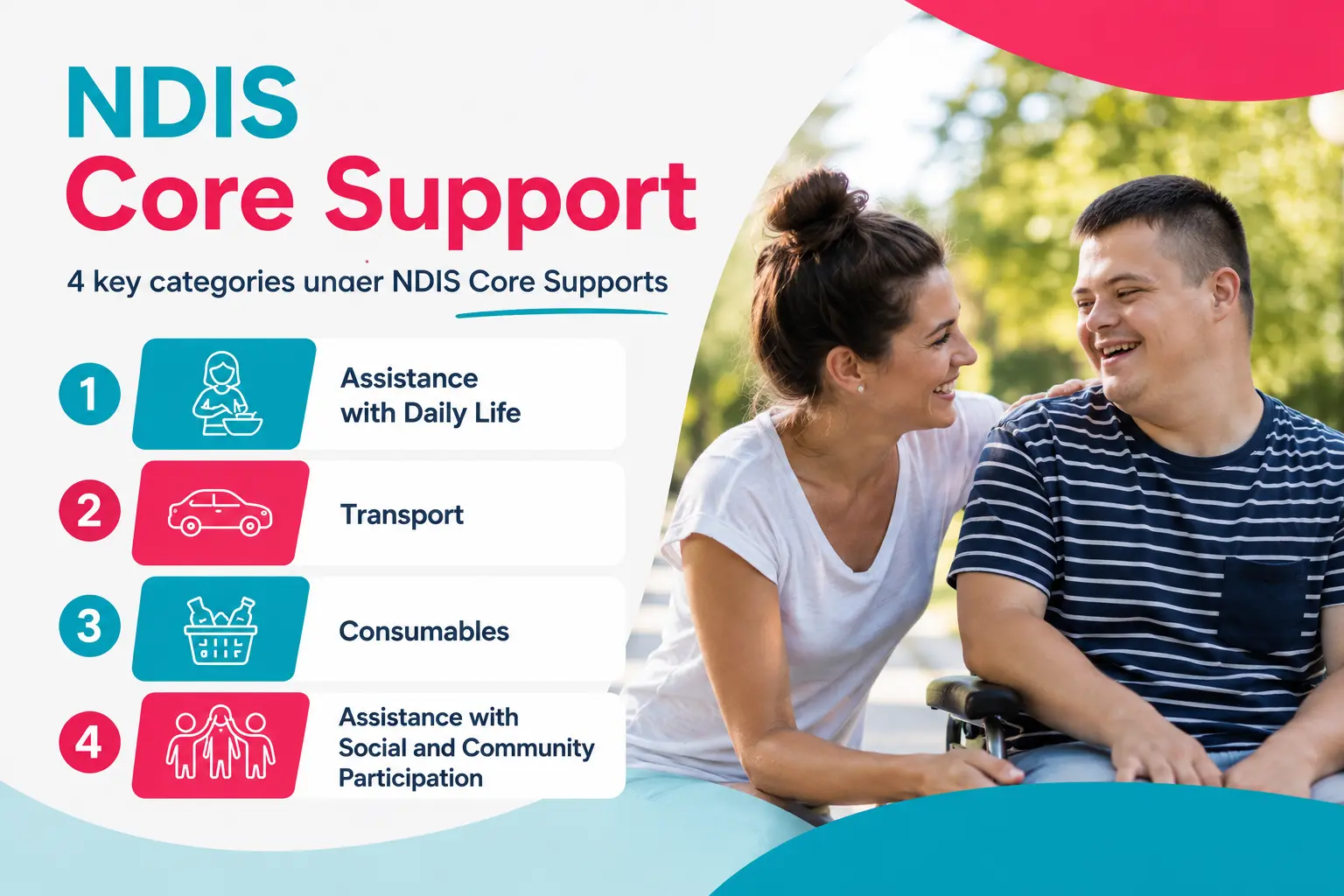
There are four key categories under NDIS Core Supports:
A lot of people think that allied therapy services are only covered under NDIS Capacity Building Supports. This support focuses on skill development and long-term progress. Some therapy services, like occupational therapy, physiotherapy, and speech therapy, can be funded under Core Supports. This happens when these services are vital for daily function, not just for skill-building goals.
Knowing how to use core support funding well can help NDIS participants make the most of their plans. They can get the support they need to live independently and be active in their communities.
Your NDIS Core Supports budget can help with therapy costs. This applies if the therapy is for daily life assistance or community participation. This means you can use your Core Supports for:
If you’re unsure whether your therapy sessions fall under Core Supports or Capacity Building, ask your NDIS plan manager or NDIS service provider. They can help you determine the best funding source.
One of the biggest advantages of Core Supports funding is flexibility. Unlike Capacity Building Supports, which have stricter funding allocations, Core Supports allow you to:
This means you don’t have to wait for a plan review to reallocate funds if you suddenly need more therapy sessions.
Many participants struggle to figure out which budget category their therapy services fall under. This leads to underutilized funding or delays in accessing necessary care.
If your NDIS physio sessions are for long-term rehabilitation, they might be under capacity building. But if they help with day-to-day mobility, they can often be covered under core supports.
Talk to your therapist or NDIS plan manager to understand which budget you should use.
Finding the right therapy provider is another big challenge. Participants often struggle with:
Find an experienced NDIS provider in Melbourne or nearby areas. Choose one that offers flexible, affordable, and NDIS-approved services.
Many NDIS participants do not fully utilise their allocated therapy funding. This often results in unused funds by the end of their plan period. Without a structured approach to scheduling therapy sessions, these funds may go to waste.
Create a therapy schedule in advance to ensure all available funding is used effectively and supports your ongoing needs.
NDIS eligibility and policy changes can make it tricky to navigate therapy funding. If you don’t stay informed, you might miss out on extra funding opportunities.
Follow NDIS updates, forums, and newsletters to stay on top of policy changes.
NDIS Core Supports funding helps participants with daily activities, community participation, and essential therapy. However, making the most of these funds requires careful planning and informed decision-making. Here’s how you can maximise your NDIS Core Supports for therapy:
Effective planning can help you avoid gaps in therapy while ensuring your funds last longer. Consider the following strategies:
Selecting the right provider is essential for getting the best value from your NDIS plan. When comparing options, consider:
NDIS Core Supports funding is flexible, meaning you can adjust allocations based on your needs.
You can move funds from other Core Supports, like transport or consumables, for more physiotherapy sessions.
Talk to your plan manager or Local Area Coordinator (LAC) about your funding options. This helps you use your budget wisely.
If your therapy needs to change over time, you may need to request a plan review. Here’s how to prepare for it:
NDIS policies change frequently! Stay informed by:
Using your NDIS Core Supports for therapy is more than just getting services. It’s about making smart choices to get the best care for your needs. Plan wisely to maximise your funding. This helps you achieve the best results for your health and well-being.
Here’s how you can take control of your NDIS therapy funding:
By taking these steps, you can optimise your NDIS funding, access high-quality therapy services, and work towards better health outcomes. If you need assistance in finding NDIS service providers in Melbourne, our team is here to help.
Don’t let your therapy funding go unused. Start maximising your NDIS Core Supports today!
Big changes are coming to the NDIS in 2026. From new eligibility rules to funding reforms, here’s what the overhaul means and what happens next.
Choosing between an Occupational Therapist vs Physiotherapist for home modifications can be confusing. Each plays a different role in improving safety, mobility, and daily function at home. This guide explains who does what so you can make the right choice. Click to learn which expert you need.
Managing Parkinson’s can feel overwhelming, but the right support makes a difference. This guide explains how physio for Parkinson’s disease helps improve mobility, balance, and daily function. Learn how NDIS-funded physiotherapy in Melbourne can support your goals. Click to explore your options today.