
NDIS Overhaul 2026: Key Changes, Cuts & What Happens Next
Big changes are coming to the NDIS in 2026. From new eligibility rules to funding reforms, here’s what the overhaul means and what happens next.
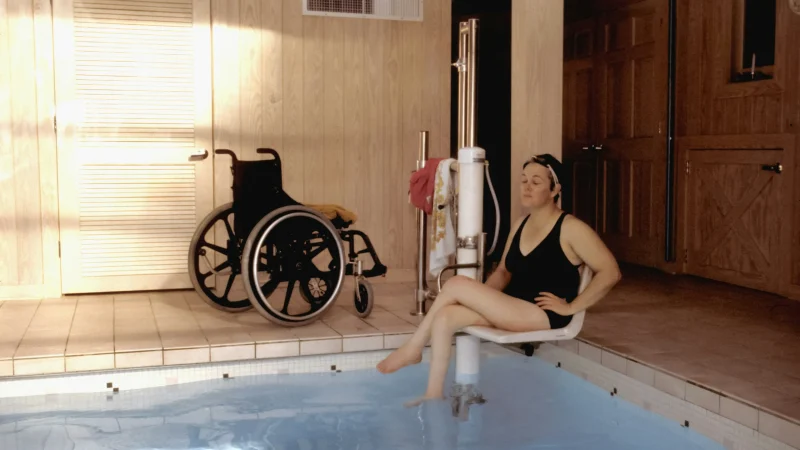
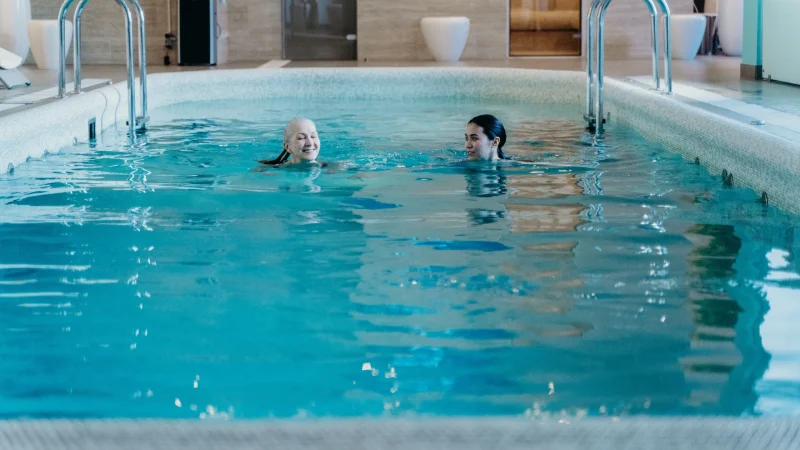
NDIS hydrotherapy is a gentle, water-based therapy that helps people with disabilities move more freely, build strength, and feel more confident. Also known as aquatic physiotherapy, it uses warm-water exercises to improve mobility, balance, and overall wellbeing in a supportive, low-impact environment.
Many NDIS participants include hydrotherapy in their funded supports because it helps them achieve personal goals such as improving movement, managing pain, and increasing independence. Across Australia including services such as hydrotherapy in Melbourne and hydrotherapy in Adelaide, participants are discovering the physical, emotional, and social benefits of professional, water-based therapy.
In this guide, we’ll explore what NDIS hydrotherapy involves, who can benefit, how it’s funded under the NDIS, and how to find qualified hydrotherapy providers near you.
Hydrotherapy, also known as aquatic physiotherapy, is a therapeutic form of exercise performed in a warm hydrotherapy pool. The soothing temperature helps relax muscles, improve circulation, and ease stiffness.
Although the terms hydrotherapy and aquatic physiotherapy are often used interchangeably, there’s a subtle but important difference:
This distinction matters for NDIS participants. Since aquatic physiotherapy is delivered by qualified physiotherapists, it can be funded under therapy supports in an NDIS plan. Each program is personalised to help achieve outcomes like improved mobility, pain management, and greater independence.
For more on mobile options, see Aquatic Physiotherapy: How Mobile Physio in Melbourne Can Help People with Disabilities.
NDIS hydrotherapy can benefit people with a wide range of needs, including neurological, musculoskeletal, sensory, developmental, and post-surgical conditions. The buoyant environment of a hydrotherapy pool in Melbourne or hydrotherapy Adelaide services allows participants to perform exercises safely and effectively, reducing strain on the body.
This form of therapy is suitable for children, adults, and older participants alike, offering adaptable exercises that meet each person’s goals and abilities.
Participants often experience:
For specific conditions, such as fibromyalgia, hydrotherapy exercises for fibromyalgia patients in Melbourne can offer targeted relief and functional improvement.
NDIS hydrotherapy supports physical, psychological, and social wellbeing. The combination of warm water, guided movement, and individualised care creates a powerful setting for holistic recovery.
Regular NDIS hydrotherapy sessions combine these benefits, helping participants achieve both rehabilitation and long-term wellbeing outcomes.
For detailed guidance on funding, check the NDIS 2025 Price Guide: Key Changes You Need to Know.
Participants often have questions about accessing NDIS hydrotherapy. Understanding how it works can help you get the most out of water-based therapy, whether in a hydrotherapy pool Melbourne, hydrotherapy Adelaide services, or home-based sessions.
While the terms are related, hydrotherapy is a broad term for therapeutic activities in water, including general exercises. Aquatic physiotherapy is physiotherapist-led, following a clinical assessment and individualised treatment plan. Both can be funded under NDIS if they meet therapy goals.
For NDIS funding, documentation from a registered physiotherapist is often required. This includes assessments, therapy goals, and progress notes, especially when accessing professional hydrotherapy exercises tailored to your needs.
In some cases, transport, supervision, or entry to a hydrotherapy pool facility can be funded under Core Supports. Always check with your NDIS plan manager to confirm what is included.
Mobile or home-based NDIS hydrotherapy programs are available for participants who cannot attend a centre. Trained therapists can guide safe hydrotherapy exercises in home-accessible pools or nearby facilities to meet your therapy goals.
Finding the right hydrotherapy provider is essential for safe, effective, and personalised therapy. Roaming Therapy offers expert-guided hydrotherapy sessions in Melbourne, Adelaide, and surrounding areas whether in a local hydrotherapy pool, at home, or at a community facility.
With Roaming Therapy, participants can still access high-quality, personalised hydrotherapy with guidance from qualified physiotherapists. Sessions support improved mobility, strength, confidence, and overall wellbeing. Contact Roaming Therapy today to start your journey toward safe and effective water-based therapy.
Big changes are coming to the NDIS in 2026. From new eligibility rules to funding reforms, here’s what the overhaul means and what happens next.
Choosing between an Occupational Therapist vs Physiotherapist for home modifications can be confusing. Each plays a different role in improving safety, mobility, and daily function at home. This guide explains who does what so you can make the right choice. Click to learn which expert you need.
Managing Parkinson’s can feel overwhelming, but the right support makes a difference. This guide explains how physio for Parkinson’s disease helps improve mobility, balance, and daily function. Learn how NDIS-funded physiotherapy in Melbourne can support your goals. Click to explore your options today.