
Hydrotherapy & Aquatic Physiotherapy Under the NDIS

Table of Contents

NDIS hydrotherapy is a gentle, water-based therapy that helps people with disabilities move more freely, build strength, and feel more confident. Also known as aquatic physiotherapy, it uses warm-water exercises to improve mobility, balance, and overall wellbeing in a supportive, low-impact environment.

Many NDIS participants include hydrotherapy in their funded supports because it helps them achieve personal goals such as improving movement, managing pain, and increasing independence. Across Australia including services such as hydrotherapy in Melbourne and hydrotherapy in Adelaide, participants are discovering the physical, emotional, and social benefits of professional, water-based therapy.

In this guide, we’ll explore what NDIS hydrotherapy involves, who can benefit, how it’s funded under the NDIS, and how to find qualified hydrotherapy providers near you.

What Is Hydrotherapy?

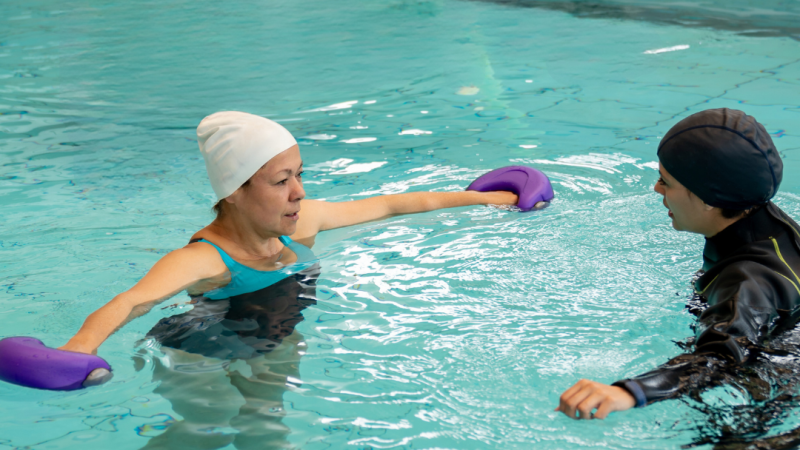
Hydrotherapy, also known as aquatic physiotherapy, is a therapeutic form of exercise performed in a warm hydrotherapy pool. The soothing temperature helps relax muscles, improve circulation, and ease stiffness.

Although the terms hydrotherapy and aquatic physiotherapy are often used interchangeably, there’s a subtle but important difference:

  • Hydrotherapy refers to any therapeutic activity done in warm water.
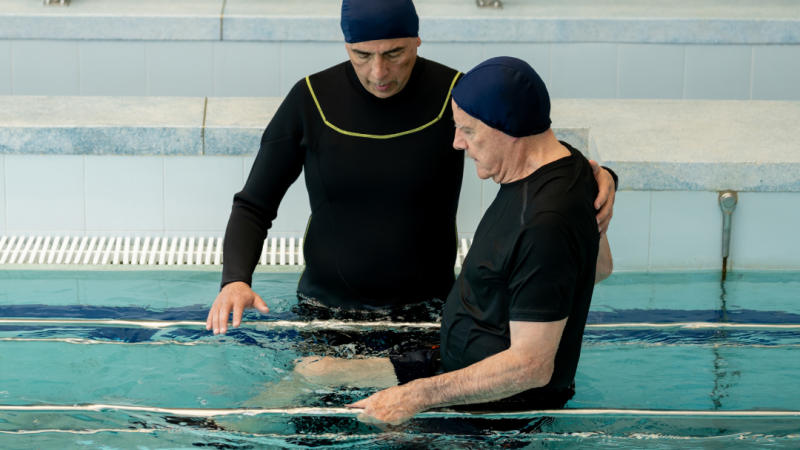
  • Aquatic physiotherapy is physiotherapist-led and based on an individualised clinical plan following an assessment.

This distinction matters for NDIS participants. Since aquatic physiotherapy is delivered by qualified physiotherapists, it can be funded under therapy supports in an NDIS plan. Each program is personalised to help achieve outcomes like improved mobility, pain management, and greater independence. 

For more on mobile options, see Aquatic Physiotherapy: How Mobile Physio in Melbourne Can Help People with Disabilities.

Who Can Benefit from NDIS Hydrotherapy?

NDIS hydrotherapy can benefit people with a wide range of needs, including neurological, musculoskeletal, sensory, developmental, and post-surgical conditions. The buoyant environment of a hydrotherapy pool in Melbourne or hydrotherapy Adelaide services allows participants to perform exercises safely and effectively, reducing strain on the body.

This form of therapy is suitable for children, adults, and older participants alike, offering adaptable exercises that meet each person’s goals and abilities.

Participants often experience:

  • Improved mobility and strength
  • Reduced pain and stiffness
  • Better balance, coordination, and endurance
  • Increased confidence in daily activities

For specific conditions, such as fibromyalgia, hydrotherapy exercises for fibromyalgia patients in Melbourne can offer targeted relief and functional improvement.

Benefits of NDIS Hydrotherapy

NDIS hydrotherapy supports physical, psychological, and social wellbeing. The combination of warm water, guided movement, and individualised care creates a powerful setting for holistic recovery.

Physical Benefits

  • Improves joint flexibility, balance, and muscle strength
  • Supports rehabilitation after injury or surgery
  • Reduces the risk of falls and improves posture

Psychological and Sensory Benefits

  • Promotes relaxation and reduces anxiety
  • Helps regulate sensory processing
  • Boosts confidence, focus, and motivation

Social and Functional Benefits

  • Encourages participation in daily life, work, and community activities
  • Supports independence and functional skills
  • Builds social confidence through group-based or shared sessions

Regular NDIS hydrotherapy sessions combine these benefits, helping participants achieve both rehabilitation and long-term wellbeing outcomes.

How NDIS Hydrotherapy Is Funded

  1. Capacity Building (Improved Daily Living): This category covers therapeutic supports provided by qualified professionals, including physiotherapists. The goal is to help participants improve strength, mobility, and daily function through structured therapy sessions.
  2. Core Supports (Assistance with Daily Life): Some hydrotherapy-related costs can also fall under Core Supports, particularly for transport, personal assistance, or supervision during sessions. This ensures participants can safely attend therapy and fully engage in water-based exercises.
  3. Meeting the “Reasonable and Necessary” Criteria: For hydrotherapy to be included in an NDIS plan, it must meet the reasonable and necessary test. The therapy must directly support the participant’s goals such as improving mobility, managing pain, or increasing independence.

For detailed guidance on funding, check the NDIS 2025 Price Guide: Key Changes You Need to Know.

How to Include NDIS Hydrotherapy in Your Plan

  1. Capacity Building (Improved Daily Living): This category covers therapeutic supports provided by qualified professionals, including physiotherapists. The goal is to help participants improve strength, mobility, and daily function through structured therapy sessions.
  2. Core Supports (Assistance with Daily Life): Some hydrotherapy-related costs can also fall under Core Supports, particularly for transport, personal assistance, or supervision during sessions. This ensures participants can safely attend therapy and fully engage in water-based exercises.
  3. Meeting the “Reasonable and Necessary” Criteria: For hydrotherapy to be included in an NDIS plan, it must meet the reasonable and necessary test. The therapy must directly support the participant’s goals such as improving mobility, managing pain, or increasing independence.

For detailed guidance on funding, check the NDIS 2025 Price Guide: Key Changes You Need to Know.

Common Questions About NDIS Hydrotherapy

Participants often have questions about accessing NDIS hydrotherapy. Understanding how it works can help you get the most out of water-based therapy, whether in a hydrotherapy pool Melbourne, hydrotherapy Adelaide services, or home-based sessions.

Is hydrotherapy the same as aquatic physiotherapy?

While the terms are related, hydrotherapy is a broad term for therapeutic activities in water, including general exercises. Aquatic physiotherapy is physiotherapist-led, following a clinical assessment and individualised treatment plan. Both can be funded under NDIS if they meet therapy goals.

Do I need a physiotherapy referral for hydrotherapy?

For NDIS funding, documentation from a registered physiotherapist is often required. This includes assessments, therapy goals, and progress notes, especially when accessing professional hydrotherapy exercises tailored to your needs.

Can my NDIS funding cover pool entry fees?

In some cases, transport, supervision, or entry to a hydrotherapy pool facility can be funded under Core Supports. Always check with your NDIS plan manager to confirm what is included.

What if I prefer home-based sessions?

Mobile or home-based NDIS hydrotherapy programs are available for participants who cannot attend a centre. Trained therapists can guide safe hydrotherapy exercises in home-accessible pools or nearby facilities to meet your therapy goals.

Choosing the Right Hydrotherapy Provider

Finding the right hydrotherapy provider is essential for safe, effective, and personalised therapy. Roaming Therapy offers expert-guided hydrotherapy sessions in Melbourne, Adelaide, and surrounding areas whether in a local hydrotherapy pool, at home, or at a community facility.

Tips for Choosing Roaming Therapy

  • Experienced Physiotherapists: Roaming Therapy’s team is trained in aquatic therapy and delivers sessions tailored to individual abilities and goals.
  • Personalised First Session: Every participant receives an initial assessment, goal-setting session, and safety briefing to ensure exercises are safe and effective.
  • Collaborative Care & Progress Tracking: Roaming Therapy works closely with participants and carers to monitor progress and adapt exercises as needed.

With Roaming Therapy, participants can still access high-quality, personalised hydrotherapy with guidance from qualified physiotherapists. Sessions support improved mobility, strength, confidence, and overall wellbeing. Contact Roaming Therapy today to start your journey toward safe and effective water-based therapy.

Share the Post:

Recent Posts

Benefits of Home Physiotherapy for Elderly in Melbourne

Staying active and independent is easier when care comes to you. This article explains how home physiotherapy for elderly Melbourne families rely on helps manage pain, improve balance, and support safe movement at home. Want to know if in-home physio is the right option for your loved one? Click to learn more.

Read More

Roaming Therapy’s Guide to Occupational Therapy for ADHD in Adults

Occupational therapy can help adults with ADHD build routines, improve focus, and manage daily challenges more confidently. In this guide, Roaming Therapy explains how occupational therapy for ADHD supports independence, work performance, and well-being. Want practical strategies that fit real life? Click to read the full guide and get started today.

Read More

How to Get an ADHD Assessment for Adults in Melbourne

Getting clarity around ADHD as an adult can feel overwhelming, but the right assessment makes all the difference. This guide explains how an ADHD assessment for adults Melbourne residents can access works, what to expect, and where to start. Ready to take the next step with confidence? Click to read the full guide.

Read More
Scroll to Top