


Installing Ramps and Handrails: What NDIS Covers in Melbourne

Table of Contents

Ramps and handrails can significantly improve safety, accessibility, and independence for people living with disabilities. As part of NDIS home modifications in Melbourne, these accessibility improvements may help participants move around their homes more safely, reduce fall risks, and maintain greater independence in daily life.

Many NDIS participants and their families are unsure whether the NDIS will fund ramps, handrails, or other home accessibility modifications. Understanding NDIS home modifications funding eligibility can help participants determine whether their proposed modifications are likely to meet NDIS requirements before beginning the assessment process. 

At Roaming Therapy, our mobile occupational therapists and physiotherapists regularly assist participants across Melbourne with home modification assessments, mobility recommendations, and supporting documentation. This guide explains what types of ramps and handrails may be funded, eligibility requirements, the approval process, and what to expect when applying for NDIS home modification funding.

A man pushing a wheelchair showing the need of a physiotherapy for stroke recovery

Does the NDIS Cover Ramps and Handrails?

Yes. The NDIS may fund ramps, handrails, grab rails, and other accessibility modifications when they are directly related to a participant’s disability and help improve safety, mobility, accessibility, or independence within the home.

What is NDIS Home Modifications

NDIS home modifications are changes made to a participant’s home environment to improve accessibility and support independent living. These modifications can help remove physical barriers that make everyday activities difficult or unsafe.

Common examples include:

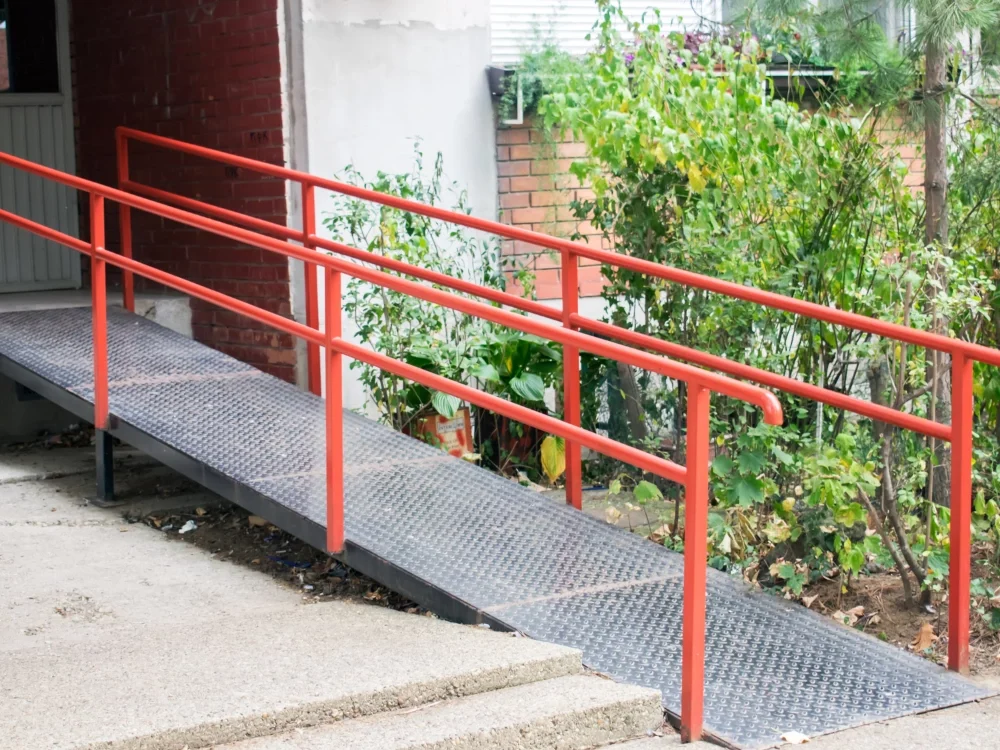
  • Wheelchair access ramps
  • Stair handrails
  • Bathroom grab rails
  • Accessible pathways
  • Entryway modifications
  • Door widening
  • Bathroom accessibility upgrades

These home access solutions are designed to support participants in safely accessing and using their homes while reducing reliance on informal supports or carers.

When Ramps and Handrails May Be Funded

The NDIS may consider funding ramps and handrails when they:

  • Address disability-related mobility challenges
  • Improve safe access into or around the home
  • Reduce the risk of falls or injuries
  • Support independent living outcomes
  • Help participants achieve their NDIS goals

Ramps and handrails are just some of the accessibility improvements that may be funded. Other supports can include bathroom modifications, doorway widening, pathway upgrades, and kitchen accessibility improvements. Learn more about the top home modifications supported by the NDIS and how they can improve safety and independence at home. 

If you’re unsure why occupational therapists are often involved in home modification recommendations, it can be helpful to understand the different roles of occupational therapy and physiotherapy in home modifications and how each profession contributes to the assessment process. 

An occupational therapist from Roaming Therapy will typically complete a home modification assessment to identify accessibility barriers and recommend suitable disability access supports.

When Home Modifications May Be Needed

For example, a participant living in Melbourne’s western suburbs may have difficulty safely entering their home due to multiple front-entry steps. Following an occupational therapy assessment, a wheelchair access ramp and handrails may be recommended to improve safety and support independent access.

Similarly, participants in Melbourne’s northern or south-eastern suburbs may require bathroom grab rails or accessibility upgrades to safely manage transfers and personal care tasks at home.

These recommendations are based on individual functional needs rather than the location of the property.

What Types of Ramps and Handrails Can Be Covered?

1. Ramp Installation

NDIS home modifications in Melbourne

Depending on the participant’s circumstances, NDIS-funded home accessibility modifications may include:

  • Front entry ramps
  • Rear access ramps
  • Wheelchair ramps
  • Permanent accessibility ramps
  • Pathway access improvements
  • Access solutions connecting frequently used areas of the home

The most appropriate option depends on the participant’s mobility requirements, home design, and long-term support needs.

2. Handrails and Grab Rails

Handrails and grab rails are among the most commonly recommended accessibility modifications because they provide additional support and stability.

Examples include:

  • Bathroom grab rails
  • Stairway handrails
  • Outdoor handrails
  • Access pathway handrails
  • Support rails in high-risk areas

These mobility modifications can help participants move more safely throughout their homes and reduce the likelihood of falls.

3. Areas Commonly Modified

Many NDIS-funded home modifications focus on areas used every day, including:

  • Home entrances and exits
  • Bathrooms and shower areas
  • Staircases
  • Outdoor pathways
  • Garages
  • Frequently used living spaces

Improving accessibility in these locations can make daily activities safer and more manageable while supporting independent living outcomes.

Minor vs. Complex Home Modifications

A qualified occupational therapist for home modifications can assess your living environment, identify safety barriers, and recommend modifications that align with both your functional needs and NDIS funding requirements.

Minor Home Modifications

Minor modifications are generally straightforward changes that improve safety and accessibility without extensive structural work.

Examples include:

  • Grab rail installation
  • Some handrail installations
  • Minor ramp solutions
  • Door widening
  • Small accessibility improvements

Minor modifications are usually simpler to assess and approve.

Complex Home Modifications

Complex modifications involve larger structural changes and more detailed planning.

Examples include:

  • Permanent wheelchair ramps
  • Significant pathway reconstruction
  • Major entryway redesigns
  • Structural accessibility upgrades

These projects typically require additional documentation, specialist assessments, and building expertise.

NDIS home modifications in Melbourne

Why the Classification Matters

The difference between minor and complex supports under NDIS home modifications in Melbourne is important because each category has different assessment and documentation requirements. Complex modifications often involve structural work, additional planning, and input from building professionals, while minor modifications are generally more straightforward.

Key differences include:

  • Different assessment and funding requirements
  • Varying levels of documentation and supporting evidence
  • Additional planning requirements for complex modifications
  • Involvement of building professionals for some complex projects

An occupational therapist in Melbourne can help determine whether a proposed modification is considered minor or complex based on the participant’s needs, home environment, and functional goals. Understanding this distinction helps ensure NDIS home modifications in Melbourne are appropriately planned and support greater independence at home.

Eligibility Requirements for NDIS Home Modification Funding

To receive funding, the modification must be directly related to your disability, improve safety or accessibility, and be considered reasonable and necessary by the NDIS.

Evidence Required

Supporting documentation often includes:

  • Occupational therapy assessment reports
  • Functional capacity assessments
  • Home modification recommendations
  • Builder quotes
  • Information about safety risks
  • Evidence of mobility limitations

Strong documentation is one of the most common factors influencing approval outcomes. Incomplete assessments, missing quotes, or poorly justified recommendations can delay funding decisions, which is why it’s important to avoid common home modification funding application mistakes.

Physiotherapy and allied health assessments may also contribute valuable information regarding mobility challenges and daily living limitations.

What Is Not Covered?

The NDIS generally does not fund:

  • General home maintenance
  • Cosmetic renovations
  • Property value improvements
  • Standard home upgrades unrelated to disability
  • Renovations that do not improve accessibility or function

How Much Do Ramps and Handrails Cost?

Costs vary depending on the type and complexity of the modification.

Factors affecting costs include:

  • Length and design of ramps
  • Materials used
  • Structural requirements
  • Site accessibility
  • Building compliance requirements

Because every home is different, participants typically obtain quotes following their home modification assessment. The NDIS reviews these costs as part of the funding approval process.

How Long Does NDIS Approval Take?

Approval timeframes vary depending on the complexity of the modification and the quality of supporting documentation.

Modification Type

Typical Timeframe

Minor Home Modifications

Several weeks

Complex Home Modifications

Several weeks to several months

Delays can occur if additional information or revised documentation is required.

How the NDIS Home Modification Approval Process Works

Step 1: Identify Accessibility Barriers: The process begins by identifying areas of the home that create challenges for mobility, safety, or daily living.
Step 2: Complete an Occupational Therapy Assessment: A qualified occupational therapist assesses the participant’s needs and home environment and provides recommendations.
Step 3: Gather Supporting Documentation: Supporting reports, recommendations, and builder quotes are prepared for submission.
Step 4: Submit to the NDIS: The documentation is submitted for review to determine whether the proposed modification meets funding requirements. If you’re preparing your first funding request, our step-by-step guide on how to apply for NDIS home modifications funding explains the documentation, assessments, and approval process in more detail.
Step 5: Approval and Installation: Once approved, qualified contractors can complete the approved works.
Step 6: Ongoing Independence: The completed modifications help improve safety, accessibility, and independence while supporting long-term daily living goals.

Frequently Asked Questions

Are external ramps covered by the NDIS?

External ramps can be funded under NDIS home modifications in Melbourne if they improve safe entry and exit from the home. Approval depends on assessed functional need and supporting evidence.

Accessibility supports such as bathroom grab rails may be considered as part of NDIS home modifications in Melbourne when they help improve safety and accessibility within the home. Funding decisions depend on the participant's assessed needs and supporting recommendations from a qualified assessor.

A home modification assessment completed by an occupational therapist in Melbourne is generally required to support NDIS home modifications in Melbourne. The assessment helps identify accessibility barriers, evaluate functional needs, and recommend appropriate modifications for the home.

The NDIS does not fund general home maintenance, cosmetic upgrades, or non-disability-related renovations under NDIS home modifications in Melbourne. Funding is limited to functional accessibility needs.

Approval time for NDIS home modifications in Melbourne varies depending on complexity and required documentation. Minor modifications are usually faster, while complex works take longer due to detailed assessments.

How Roaming Therapy Can Help

Roaming Therapy provides mobile occupational therapy, physiotherapy, and allied health services throughout Melbourne. Our mobile physio in Melbourne regularly assist NDIS participants with home modification assessments, mobility recommendations, supporting reports, and guidance throughout the funding process.

Whether you need advice about wheelchair ramps, handrails, grab rails, or broader home accessibility modifications, our team can help identify barriers and recommend practical solutions that support safer and more independent living.

If you’re unsure where to start, explore our guide on how to apply for NDIS home modifications funding or contact Roaming Therapy to arrange a mobile assessment.

Share the Post:

Recent Posts​

Do You Need Council Approval for NDIS Home Modifications?

Not all home modifications require the same approvals. This guide explains when Council Approval for NDIS Home Modifications may be needed, what factors can affect the process, and how to avoid delays. Click to learn the key requirements before starting your home modification project.

Read More
Scroll to Top