
How to Work with an Occupational Therapist for Home Modifications

Table of Contents

Home modifications play an important role in helping people live safely and independently at home, particularly older adults, people living with disabilities, and those recovering from injury or surgery.

An occupational therapist (OT) assesses how a person interacts with their home environment and recommends practical changes to reduce risks, improve accessibility, and support daily routines. These recommendations are based on clinical reasoning, functional assessment, and long-term safety goals.

In Melbourne and across Victoria, occupational therapists also support access to funding through programs such as the NDIS and aged care services via My Aged Care.

This guide explains the full process of home modification occupational therapy, including assessment, recommendations, funding, timelines, and what to expect in real-world situations.

Occupational Therapist for Home Modifications

What Does an Occupational Therapist Do for Home Modifications?

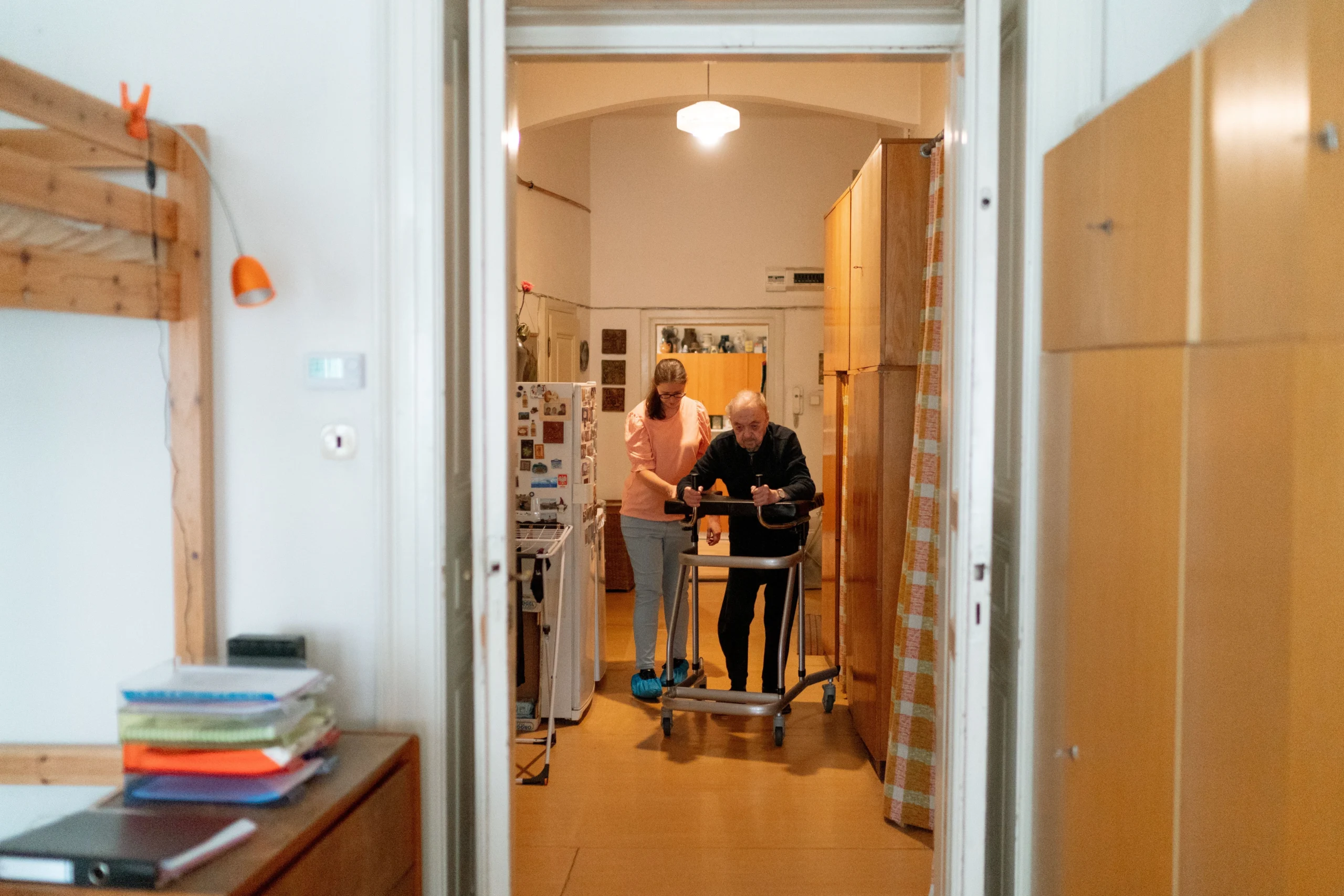
An occupational therapist evaluates how safely and independently a person can complete everyday tasks in their home environment. The focus is not just on the physical space but on how health conditions, mobility limitations, and daily routines interact with that space.

In Melbourne, this is especially important due to a mix of older housing stock, multi-level homes, and bathroom layouts that may not meet modern accessibility standards.

1. Comprehensive Home Safety and Functional Assessment

A home visit typically includes a structured assessment of both the environment and the person’s functional ability.

The OT will observe how you:

  • Move between rooms and manage transfers (bed, chair, toilet)
  • Use key areas like the bathroom, kitchen, and entryway
  • Manage stairs, steps, or uneven flooring
  • Maintain balance and safety during daily tasks
  • Access frequently used items such as food, clothing, and hygiene products

The OT also identifies environmental risks such as poor lighting, loose rugs, narrow doorways, and trip hazards. For a deeper breakdown of how OTs and physiotherapists differ in home safety roles, see our guide:  OT vs Physio in Home Modifications

2. Individualised Home Modification Recommendations

After completing the assessment, the occupational therapist develops a tailored plan based on three key factors:

  1. Safety risk level
  2. Functional limitations
  3. Long-term independence goals

Recommendations are always prioritised from least to most invasive, ensuring the simplest effective solution is considered first.

Minor modifications (low disruption)

These are typically quick to install and low-cost:

  • Grab rails in bathrooms and toilets
  • Non-slip mats or adhesive strips
  • Handheld shower heads for seated showering
  • Improved lighting or motion-sensor lighting
  • Shower chairs or toilet raisers

These changes are often used for early intervention or mild mobility challenges.

Structural or major modifications (high impact)

When accessibility barriers are more significant, structural changes may be required:

  • Step-free or level-access showers
  • Ramps at entry points
  • Widened doorways for mobility aids or wheelchairs
  • Bathroom redesigns for wheelchair turning space
  • Removal of internal steps or thresholds

These modifications often require builder involvement, compliance considerations, and funding approval processes. To understand what types of modifications are commonly funded and supported under the NDIS, see: Top Home Modifications Supported by the NDIS

Assistive technology and equipment

In some cases, equipment may be sufficient instead of structural changes:

  • Bed rails or transfer poles
  • Over-toilet frames
  • Adjustable shower seating
  • Reacher tools for high shelves
  • Kitchen adaptive utensils

These solutions are often recommended when flexibility and affordability are priorities.

Occupational Therapist for Home Modifications

OT Role in Implementation and Coordination

An often overlooked part of occupational therapy is the coordination phase after recommendations are made.

The OT typically:

  • Writes a formal clinical report explaining functional need
  • Prepares detailed scopes of work for builders
  • Coordinates with contractors for accurate quotes
  • Ensures modifications meet safety and accessibility standards
  • Aligns recommendations with funding requirements (especially NDIS)
  • Conducts post-installation reviews

This ensures modifications are not only installed correctly but also achieve the intended functional outcomes. For many clients, this process is closely linked to NDIS funding pathways. If you want to understand how approval works step-by-step, read: How to Apply for NDIS Home Modifications Funding

How to Prepare for an Occupational Therapy Home Visit

Preparation helps the occupational therapist understand your real challenges and ensures recommendations are accurate and relevant.

Whether you are in Brunswick, Richmond, Preston, Pakenham or East Melbourne suburbs, preparation improves the quality of the assessment significantly.

What to do before your OT visit

To get the most out of the appointment, it helps to prepare in advance:

1. Identify problem areas clearly

Think about where you experience difficulty:

  • Bathroom safety (slipping, stepping into shower)
  • Difficulty using stairs or entry steps
  • Trouble reaching kitchen or storage areas
  • Fatigue or balance issues during daily routines

2. Document real examples

OTs rely heavily on real-life context. Helpful information includes:

  • Recent falls or near-falls
  • Situations where assistance was required
  • Times of day when mobility is worse
  • Activities you avoid due to difficulty or fear

3. Gather supporting information

This may include:

  • Medical reports or discharge summaries
  • List of current medications (if relevant to mobility)
  • Mobility aids currently in use
  • Previous OT reports (if any)

4. Define your goals

Clear goals help guide recommendations:

  • “I want to stay living at home safely for as long as possible”
  • “I want to reduce my risk of falls in the bathroom”
  • “I want to be able to shower independently again”

Common Home Modifications in Melbourne Homes

Home modification recommendations vary depending on individual needs, but many Melbourne clients share similar environmental challenges.

Older homes, in particular, often require accessibility upgrades to support ageing in place safely.

A mobile occupational therapist in Melbourne can assess these issues directly in the home environment.

1. Bathroom modifications (most common area of intervention)

Occupational Therapist for Home Modifications

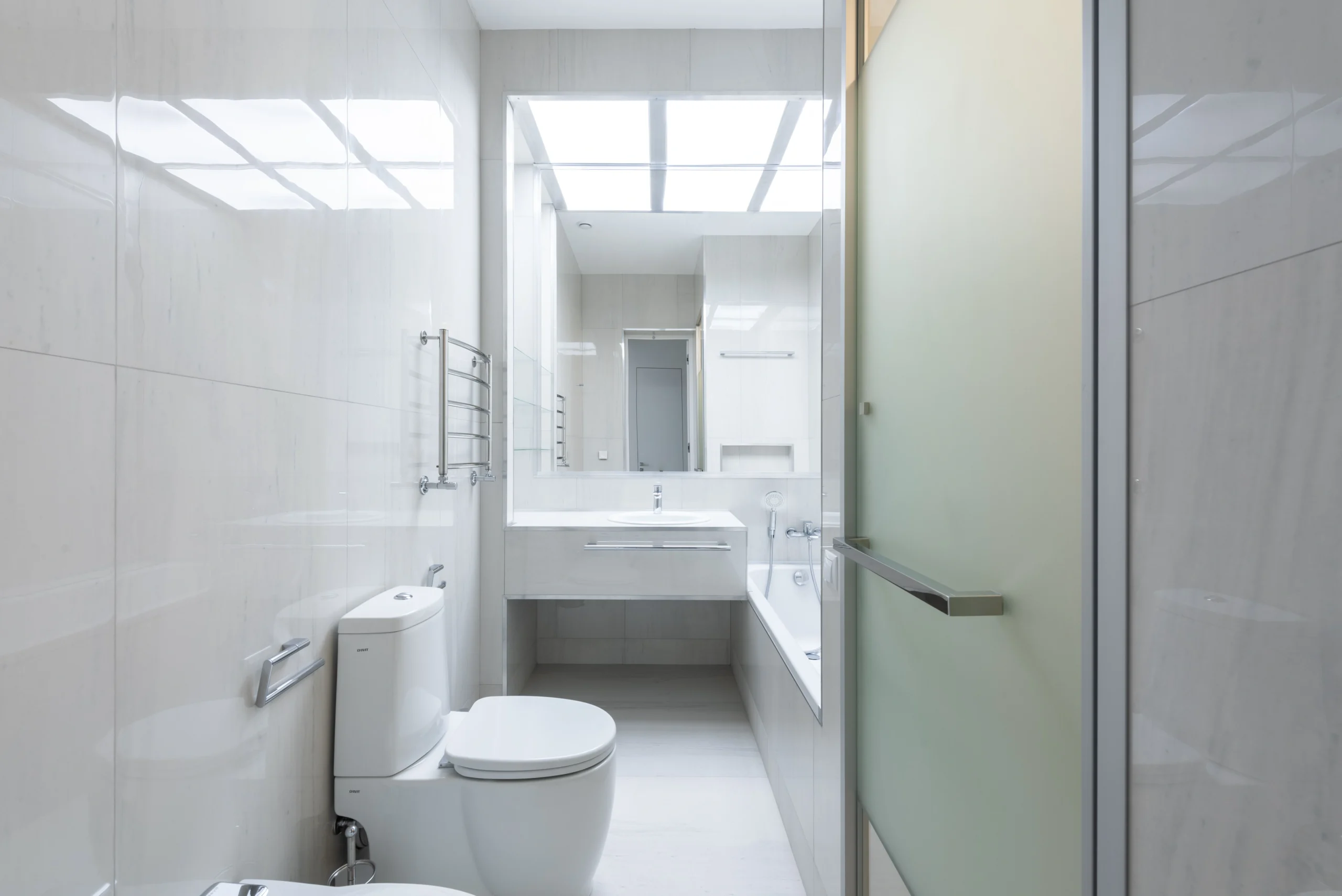
Bathrooms are one of the highest-risk areas for falls.

Common recommendations include:

  • Installing grab rails near toilets and showers
  • Converting baths into step-free showers
  • Using shower chairs to reduce fatigue and fall risk
  • Adding non-slip flooring or adhesive strips
  • Improving lighting for night-time safety

These changes significantly reduce hospitalisation risk for older adults.

2. Entryways and mobility access

Many Melbourne homes have raised entry steps or uneven outdoor surfaces.

Recommendations may include:

  • External ramps for step-free access
  • Handrails along entry stairs
  • Threshold smoothing for walking aids
  • Non-slip outdoor surfaces

These modifications improve independence when entering and exiting the home.

3. Kitchen accessibility upgrades

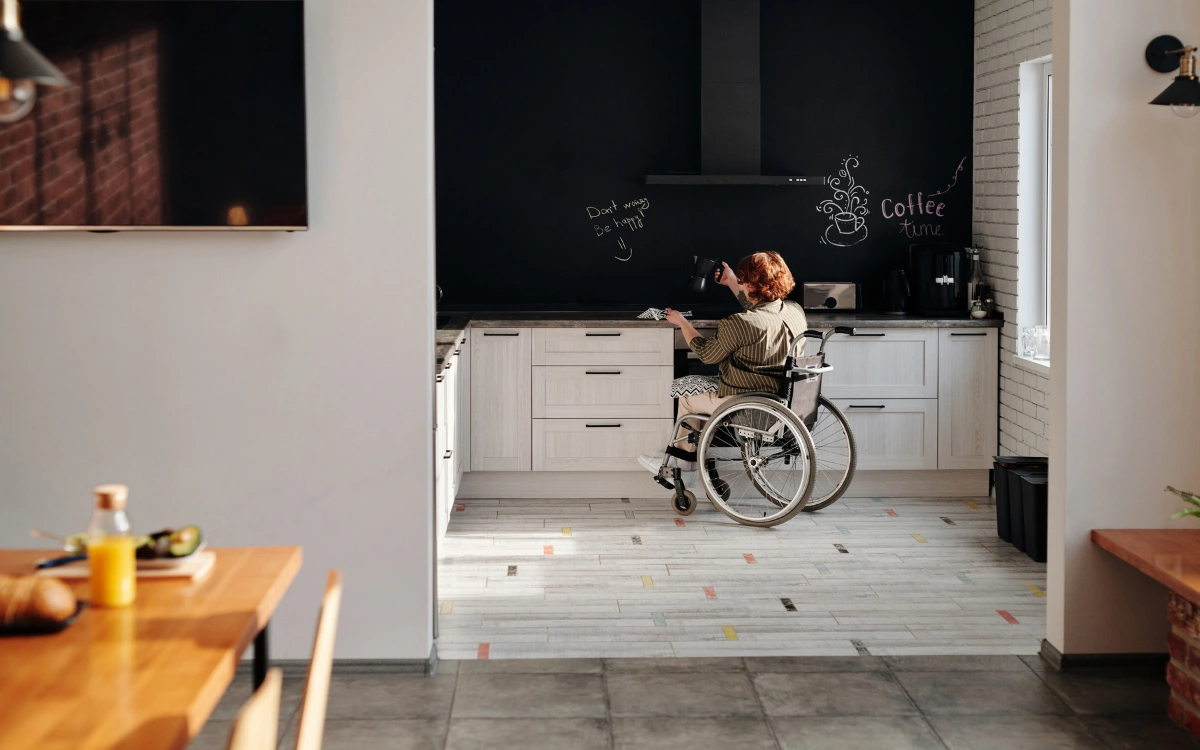
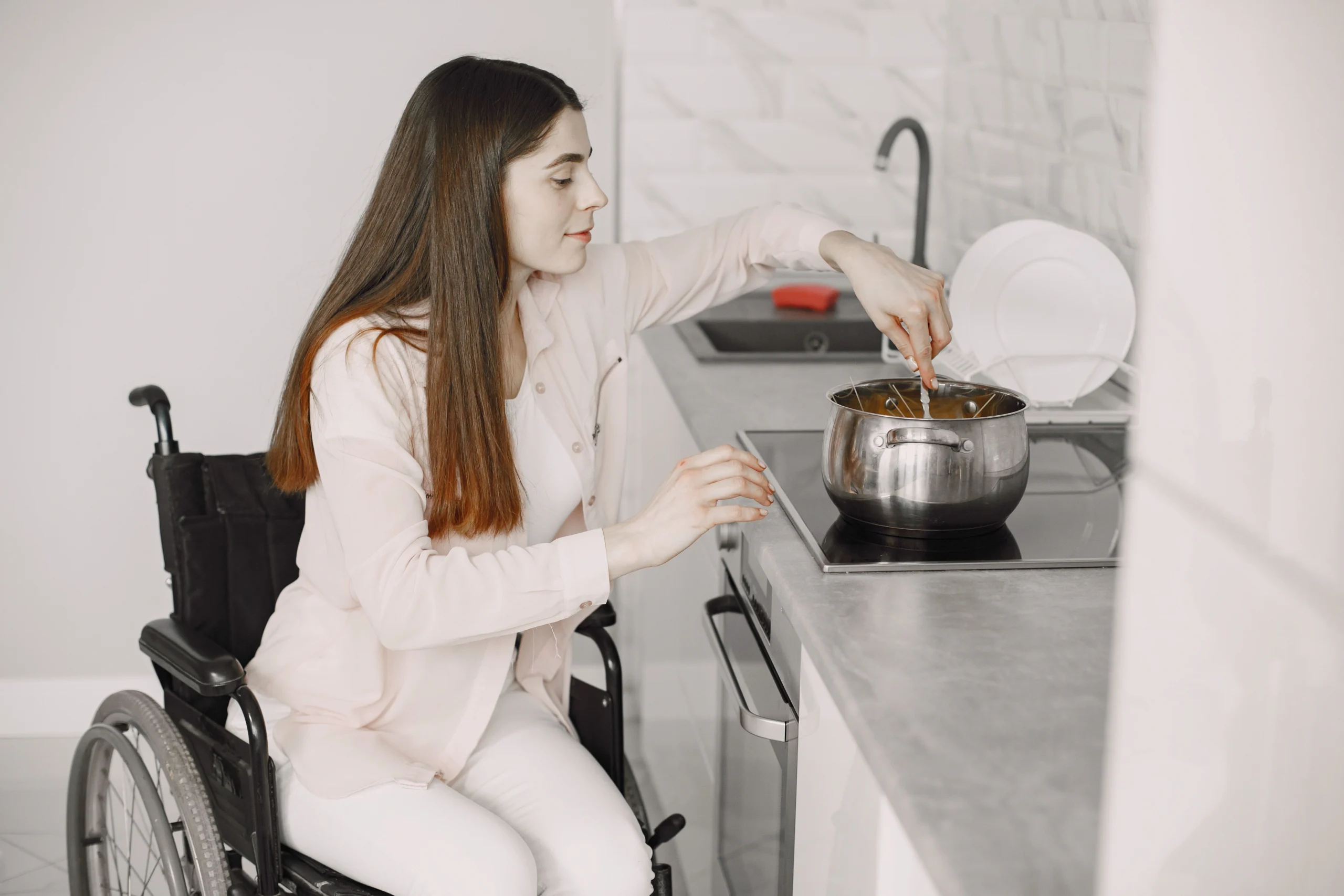
The kitchen is often overlooked but plays a key role in independence.

Adjustments may include:

  • Lowering frequently used storage
  • Installing pull-out shelving
  • Lever-style taps instead of twist taps
  • Reorganising kitchen layout for safer reach zones
Occupational Therapist for Home Modifications

4. Lighting and environmental safety

Poor lighting is a major fall risk factor, especially in hallways and bathrooms.

Solutions include:

  • Motion-sensor lighting for night safety
  • Brighter LED lighting in key areas
  • Night lights in bathrooms and corridors
  • Removing glare or shadowed areas

5. Smart-home and assistive technology

Modern OT recommendations may also include technology such as:

  • Voice-controlled lighting systems
  • Automated door entry systems
  • Emergency alert devices
  • Smart reminders for medication or hydration

These tools are increasingly used to support independent living.

Minor Aids vs Major Home Modifications

Occupational therapists carefully balance safety, independence, and practicality when deciding between small aids and larger structural changes.

This decision is based on:

  • Severity of mobility limitations
  • Risk of falls or injury
  • Home layout constraints
  • Long-term health prognosis
  • Support available from carers or family

When minor aids are appropriate

Minor interventions are preferred when possible because they are:

  • Faster to implement
  • Lower cost
  • Less disruptive

Examples include:

  • Grab rails
  • Shower chairs
  • Improved lighting
  • Non-slip surfaces

When major modifications are required

Structural changes are recommended when safety risks cannot be resolved through equipment alone.

This may involve:

  • Bathroom redesign for wheelchair access
  • Installation of ramps or lifts
  • Removal of internal barriers
  • Widening of doorways for mobility aids

These changes often require builder coordination and funding approval. To better understand how funding categories affect this decision, see: NDIS Core vs Capital Supports: Home Modifications Guide

Funding Options for Home Modifications in Australia

Funding is a key part of the home modification process, and occupational therapists play a central role in supporting applications and documentation.

NDIS funding

Eligible participants under the NDIS may receive funding for:

  • Minor and major home modifications
  • Assistive technology
  • Accessibility upgrades

The OT provides:

  • Functional capacity assessments
  • Clinical justification reports
  • Detailed scopes of work for builders

This documentation is essential for approval.

My Aged Care support

Older Australians may access funding through My Aged Care or Home Care Packages.

This can support:

  • Bathroom safety upgrades
  • Mobility improvements
  • Essential home modifications
  • Equipment provision

Private funding pathways

Some clients choose private services when:

  • Waiting for funding approval
  • Not eligible for government programs
  • Needing urgent safety improvements

Private health insurance may provide partial rebates depending on the policy.

How Long Do Home Modifications Take?

Timeframes vary depending on complexity and funding approvals.

1. Assessment and reporting: Simple cases: a few days; complex cases: 1–2 weeks

2. Funding approval stage: This is the most variable phase and may take weeks or months depending on NDIS processing times, additional documentation requests, and aged care review timelines

3. Construction phase

  • Minor installations: 1–2 days
  • Bathroom renovations: 2–6 weeks
  • Large structural changes: several weeks or longer

4. Final OT review: Once work is completed, the OT ensures:

  • Modifications meet safety requirements
  • Equipment is used correctly
  • The home environment supports independence

When to Request a Reassessment

Over time, health conditions and mobility needs can change.

A reassessment may be needed if:

  • You experience increased falls or near-falls
  • Existing equipment no longer feels safe or usable
  • Mobility declines due to illness or ageing
  • New support needs arise after hospitalisation

Regular reassessment ensures the home continues to support safe independent living.

Frequently Asked Questions

What does an occupational therapist do in a home assessment?

They assess how safely you complete daily activities and recommend modifications to improve independence, safety, and accessibility.

Yes. Eligible participants under the NDIS may receive funding when modifications are clinically justified.

Most assessments take 60–90 minutes depending on complexity.

Yes. They prepare scopes of work and often coordinate with builders experienced in accessibility modifications.

Not always. Many private occupational therapy services accept direct bookings, although some funding pathways may require a GP referral.

Share the Post:

Recent Posts​

Common Mistakes to Avoid in Home Modifications

Avoiding costly home modification mistakes can save time, money, and frustration. This guide covers common errors people make when planning accessibility changes and how to make smarter decisions from the start. Want a safer, more practical home setup? Click to learn what mistakes to avoid before you begin.

Read More

What Happens When Your NDIS Therapy Funding Runs Out?

Running out of support can feel stressful, but there are options available when your NDIS Therapy Funding is exhausted. This guide explains what happens next, including review steps, alternative supports, and how to plan ahead. Click to learn how to stay supported and avoid service gaps.

Read More
Scroll to Top