
NDIS Exercise Physiology in Melbourne: Who Can Benefit and How It Supports Your NDIS Goals

Table of Contents

Living with a disability, neurological condition, or long-term health issue can make everyday activities more challenging. Tasks such as walking safely, climbing stairs, getting in and out of bed, or participating in community activities may become difficult without the right support.

At Roaming Therapy, our accredited exercise physiologists deliver personalised, evidence-based exercise programs that help NDIS participants improve strength, mobility, balance, endurance, and overall physical function. Through our mobile allied health services in Melbourne, we bring professional exercise physiology directly to your home.

Below are some of the groups who commonly benefit from NDIS exercise physiology in Melbourne.

1. People Living With Physical Disabilities

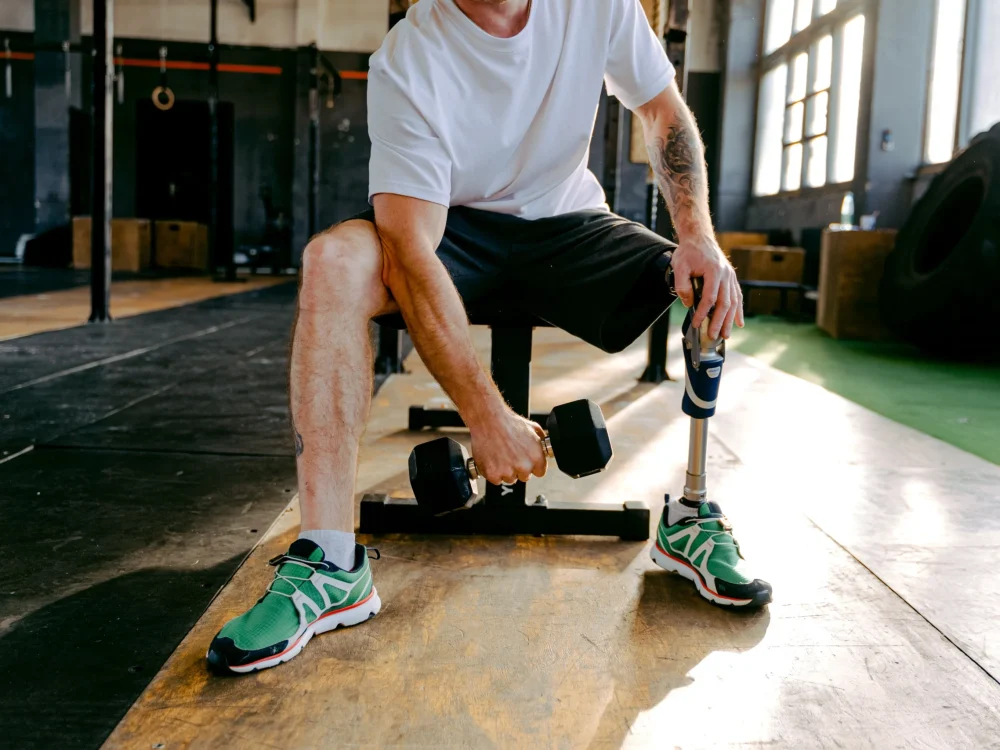
NDIS exercise physiology

Many physical disabilities affect strength, coordination, endurance, balance, or mobility.

Exercise physiology provides structured programs that gradually improve functional movement while respecting each participant’s abilities and goals.

Depending on your needs, therapy may focus on:

  • Walking confidence
  • Core stability
  • Muscle strengthening
  • Improving balance
  • Increasing flexibility
  • Safe transfers
  • Functional movement training

For many participants, these improvements lead to greater independence with daily activities such as dressing, cooking, showering, shopping, and community participation.

Because programs are reviewed regularly, exercises continue to progress as participants gain confidence and physical capacity.

2. People Living With Neurological Conditions

Neurological conditions often affect movement, coordination, muscle control, and balance. Exercise physiology can play an important role in maintaining function while supporting long-term independence.

Conditions commonly supported include:

  • Stroke
  • Parkinson’s disease
  • Multiple sclerosis (MS)
  • Cerebral palsy
  • Traumatic brain injury
  • Spinal cord injury

Programs may include:

  • Balance training
  • Walking practice
  • Functional strengthening
  • Coordination exercises
  • Mobility training
  • Falls prevention strategies

For example, a participant recovering from a stroke may receive home visits focused on improving walking confidence, reducing fall risk, and increasing independence with household activities.

Because therapy takes place within the participant’s own home, exercises can be tailored to real-life situations rather than simulated clinic environments.

3. People Living With Chronic Health Conditions

Exercise physiology is also highly beneficial for participants living with chronic health conditions that affect mobility, physical function, and overall well-being.

Examples include:

  • Arthritis
  • Osteoporosis
  • Diabetes
  • Cardiovascular conditions
  • Persistent musculoskeletal pain
  • Respiratory conditions

Exercise programs are individually prescribed to improve functional capacity while helping participants safely increase their physical activity.

If chronic pain is limiting your daily activities, you may also find our guide on mobile exercise physiology for chronic pain helpful.

4. People Living With Mental Health Conditions

Exercise supports far more than physical health. For many people living with psychosocial disabilities or mental health conditions, regular movement can improve confidence, energy levels, social participation, and overall well-being.

While exercise physiology is not a replacement for psychological or psychiatric support, it can form an important part of a multidisciplinary allied health approach under the NDIS.

Structured exercise programs may help participants:

  • Build confidence in everyday activities
  • Increase community participation
  • Establish healthy routines
  • Improve physical fitness
  • Enhance mood and overall well-being
  • Reduce fear of movement after injury or illness

Our accredited exercise physiologist will tailor activities to your goals, preferences, and current abilities, ensuring every session is achievable and enjoyable.

5. Older Adults and People at Risk of Falls

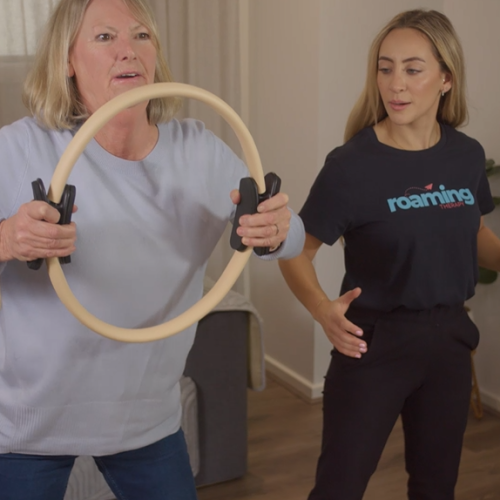
A mobile exercise physiologist from Roaming Therapy

Falls are one of the leading causes of injury and loss of independence among older Australians and people with reduced mobility.

For NDIS participants, improving balance and strength can significantly reduce the risk of falls while increasing confidence when moving around the home and community.

Exercise physiology programs often include:

  • Balance training
  • Lower limb strengthening
  • Walking practice
  • Sit-to-stand exercises
  • Coordination activities
  • Functional movement training

Improving these skills can make everyday activities such as climbing stairs, getting out of a chair, shopping, or walking outdoors feel safer and more manageable.

Because Roaming Therapy provides home visits throughout Melbourne, our exercise physiologist can also identify potential hazards around your home and recommend practical strategies to improve safety during everyday movement.

What Happens During Your First Exercise Physiology Appointment?

Many participants aren’t sure what to expect during their first appointment.

At Roaming Therapy, your initial assessment is designed to understand your goals, abilities, and support needs so we can develop a personalised program that’s both safe and effective.

During your first visit, our NDIS exercise physiologist may:

  • Discuss Your NDIS Goals: We’ll talk about what you’d like to achieve. Goals might include walking independently, improving balance, returning to work, increasing community participation, reducing falls, managing chronic pain, and building strength.
  • Review Your Medical History: Understanding your medical history helps ensure every exercise is appropriate for your condition and current abilities. We may discuss previous injuries, surgeries, existing health conditions, current medications, pain levels, and previous therapy.
  • Complete a Functional Assessment: Your exercise physiologist will observe how you currently move and identify areas that can be improved.
  • Develop Your Personalised Exercise Program: Using the information gathered during your assessment, we’ll create an evidence-based exercise program tailored to your individual goals. As your abilities improve, your program will continue evolving to keep you progressing safely.

Why Choose Roaming Therapy for NDIS Exercise Physiology in Melbourne?

At Roaming Therapy, we provide personalised mobile exercise physiology services throughout Melbourne, allowing participants to receive professional support in a familiar and comfortable environment.

Here is why many NDIS participants choose our team:

1. Home and Community-Based Exercise Support

Traditional gym environments are not suitable for everyone. Some participants may experience challenges with transport, mobility, fatigue, anxiety in unfamiliar environments, and accessibility barriers.

Our mobile service removes many of these barriers by bringing exercise physiology directly to you.

Our exercise physiologists can provide support:

  • In your home
  • In your local community
  • In suitable outdoor environments
  • In locations that support your goals

You can learn movements in the places where you actually need them.

For example, if your goal is to improve confidence walking outdoors, practising movement in your own neighbourhood may be more beneficial than completing exercises in an unfamiliar clinic.

Learn more about our broader mobile allied health services in Melbourne and how our mobile physio supports participants at home and in the community.

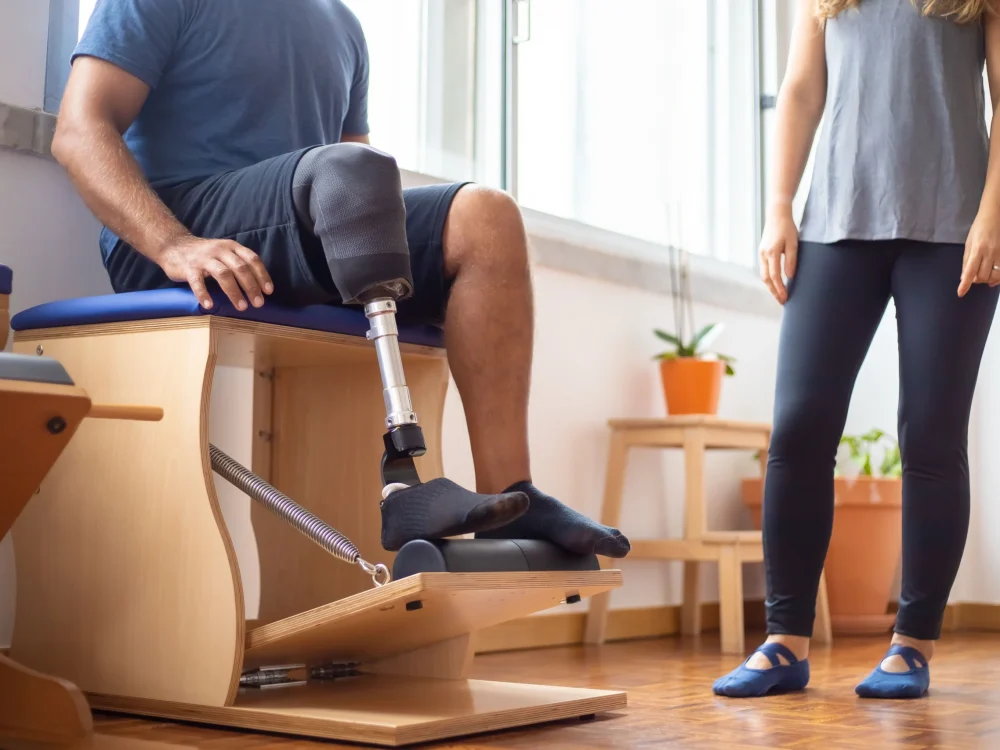
NDIS exercise physiology

2. Personalised Programs Based on Your Goals

No two NDIS participants are the same. A program designed for one person may not be appropriate for another, even if they have the same diagnosis.

Our exercise physiologists consider:

  • Your personal goals
  • Your preferences
  • Your current abilities
  • Your environment
  • Your support network
  • Your NDIS funding situation

This ensures every exercise program is meaningful and practical.

3. Evidence-Based Exercise Interventions

Roaming Therapy’s exercise physiology programs are based on current evidence and professional clinical standards.

Accredited exercise physiologists use structured exercise interventions to support improvements in physical function, mobility, strength, balance, independence, and overall well-being.

Our approach combines professional expertise with your personal goals to create sustainable progress.

Mobile NDIS Exercise Physiology Across Melbourne

Roaming Therapy provides mobile exercise physiology services across Melbourne, supporting participants in metropolitan suburbs and surrounding communities.

Our services are available throughout areas including:

  • Melbourne CBD
  • Northern suburbs
  • Western suburbs
  • Eastern suburbs
  • Southern suburbs
  • South-eastern suburbs

We support participants across communities including:

Because we come to you, participants can receive consistent support without needing to arrange travel to a clinic.

Frequently Asked Questions

Can I receive NDIS exercise physiology at home in Melbourne?

Yes. Roaming Therapy provides mobile NDIS exercise physiology services throughout Melbourne, allowing participants to receive support in their own homes and communities.By providing therapy in your everyday environment, our exercise physiologists can design programs that directly support your daily activities.

A referral is not always required to access exercise physiology services. However, your pathway may depend on your NDIS plan, funding management type, support needs, recommendations from your healthcare team.

The recommended frequency depends on your individual goals, condition, abilities, and available funding. Some participants may benefit from weekly sessions, while others may require less frequent support combined with a personalised home exercise program.

Yes. Falls prevention is a common goal for many NDIS participants, particularly older adults and people experiencing reduced balance or mobility.Exercise physiology programs may include balance training, leg strengthening, walking practice, coordination exercises, and functional movement training.

Book an NDIS Exercise Physiology Assessment in Melbourne

If you are looking for NDIS exercise physiology in Melbourne, Roaming Therapy can provide personalised support to help you improve physical function, independence, and quality of life.

Our accredited exercise physiologists deliver mobile services throughout Melbourne, bringing expert allied health support directly to your home or community environment.

To discuss your goals and explore how exercise physiology may support your NDIS plan:

Book an assessment with Roaming Therapy today.

Contact our team:

Roaming Therapy
Mobile Allied Health Services Melbourne
Phone: 0466 096 020
Email: info@roamingtherapy.com.au

Visit our contact page to arrange your initial assessment.

Share the Post:

Recent Posts​

Best Hydrotherapy Pools for NDIS Participants in Brisbane

Finding the best hydrotherapy pools can make a significant difference in comfort, accessibility, and therapy outcomes. This guide highlights key features to look for and what NDIS participants should consider when choosing a facility in Brisbane. Click to discover the best options and make an informed choice.

Read More
Scroll to Top