
Best Hydrotherapy Pools for NDIS Participants in Brisbane

Table of Contents

Finding the right hydrotherapy pool in Brisbane can make a significant difference for NDIS participants working towards improved mobility, independence, and quality of life. Unlike regular swimming pools, hydrotherapy pools are specifically designed to support rehabilitation through warm water, controlled movement, and therapist-guided exercises.

For people living with disabilities, chronic conditions, injuries, or mobility challenges, choosing an accessible hydrotherapy facility is about more than finding a nearby pool. The right environment should provide safe entry points, appropriate equipment, comfortable water temperatures, and access to qualified healthcare professionals who understand individual therapy goals.

Roaming Therapy supports NDIS participants across Brisbane through personalised allied health services, including mobile physiotherapy and NDIS physiotherapy support. Our physiotherapists help participants determine whether hydrotherapy is suitable for their needs and how it can complement their broader rehabilitation plan.

This guide explains what makes a hydrotherapy pool suitable for NDIS participants, how to choose the right facility in Brisbane, what accessibility features to look for, and how NDIS funding may support hydrotherapy services.

best hydrotherapy pools

What Makes a Hydrotherapy Pool Suitable for NDIS Participants?

One of the main benefits of hydrotherapy is the use of warm water to support movement and reduce discomfort during exercise.

Most therapeutic hydrotherapy pools are maintained at approximately 34°C to 36°C, creating an environment that can help:

  • Relax tight muscles
  • Reduce joint stiffness
  • Improve flexibility
  • Support gentle strengthening exercises
  • Make movement more comfortable for people experiencing pain or reduced mobility

Warm water reduces the impact placed on joints because buoyancy supports part of the body’s weight. This allows many participants to practise movements that may be difficult on land.

For individuals managing conditions such as arthritis, neurological conditions, chronic pain, or reduced mobility, hydrotherapy can form part of a broader physiotherapy program.

For example, hydrotherapy is often used as part of rehabilitation approaches for people experiencing ongoing pain conditions. You can learn more about how aquatic therapy may support chronic pain management in our guide on hydrotherapy exercises for fibromyalgia patients in Melbourne.

Accessibility Features to Look For in Brisbane Hydrotherapy Pools

Accessibility should be one of the first considerations when choosing a hydrotherapy facility. Not every pool is designed to support people with different mobility requirements.

Before booking, ask whether the facility provides:

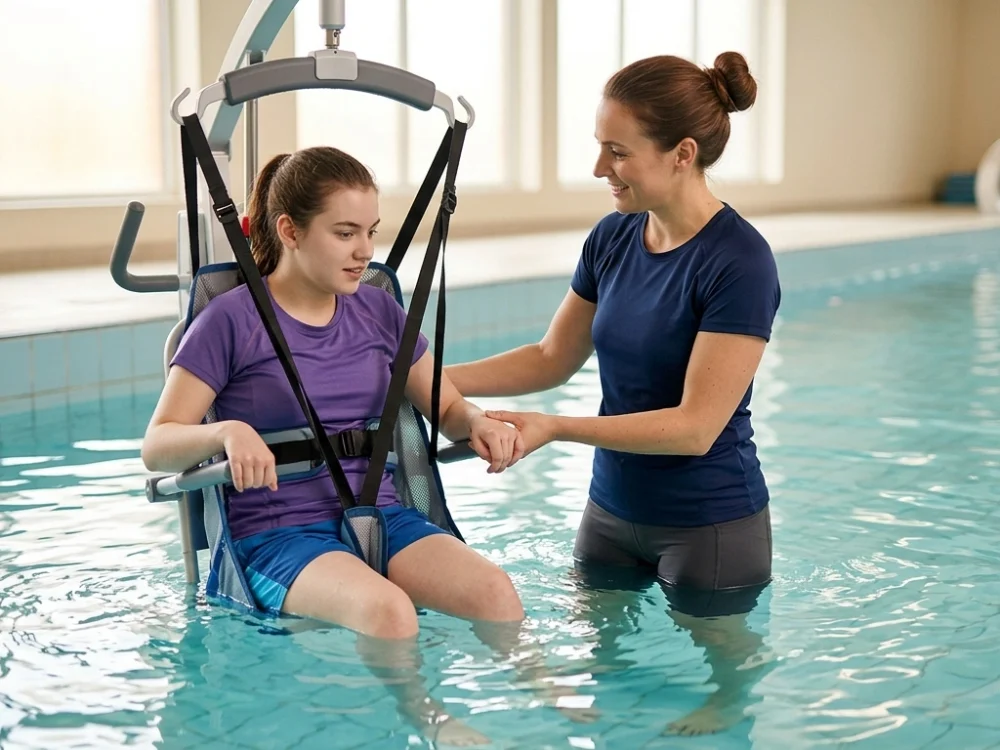
1. Pool Hoists or Ceiling Hoists

Pool hoists allow participants with limited mobility to safely enter and exit the water without needing to use traditional pool ladders or steps.

This can be particularly important for people who:

  • Use wheelchairs
  • Have reduced lower limb strength
  • Require transfer assistance
  • Experience balance difficulties

2. Ramp Access and Accessible Entry Points

A suitable hydrotherapy pool should have easy entry options, such as:

  • Gradual ramps
  • Wide pool access points
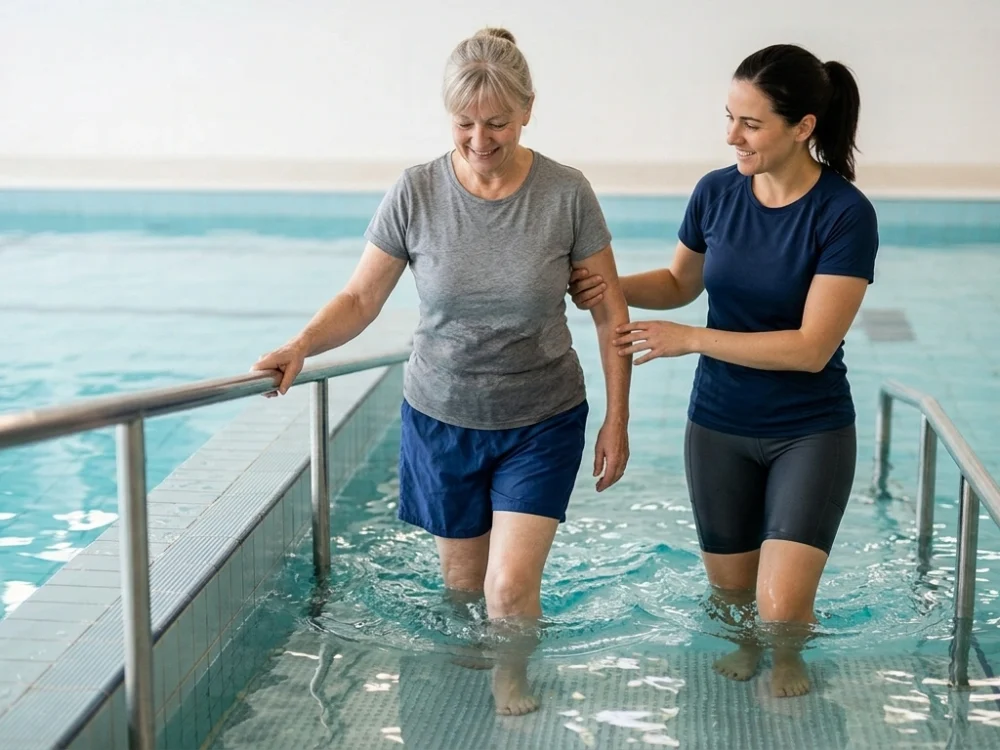
  • Handrails
  • Accessible walkways

These features help participants enter the pool safely while maintaining independence wherever possible.

3. Accessible Change Rooms and Facilities

A complete hydrotherapy experience includes accessibility outside the pool area.

Look for:

  • Accessible showers
  • Disability-friendly toilets
  • Change areas with enough space for mobility equipment
  • Seating options
  • Safe flooring surfaces

These details can significantly improve comfort for participants and carers.

4. Disability Parking and Transport Access

Regular attendance is often important for achieving therapy goals. A pool that is difficult to access may make it harder to maintain consistent appointments.

Consider:

  • Accessible parking spaces
  • Easy drop-off areas
  • Public transport availability
  • Travel time from home

For participants living across Brisbane suburbs such as Windsor, Salisbury, Carindale, Eight Mile Plains, Everton Park, Springfield, Ipswich, and surrounding areas, choosing a convenient location can make ongoing therapy more manageable.

best hydrotherapy pools

Hydrotherapy Pool vs Regular Public Pool: What Is the Difference?

Although both facilities involve water-based activities, hydrotherapy pools and regular public pools serve very different purposes.

Feature

Hydrotherapy Pool

Regular Public Pool

Main purpose

Rehabilitation and therapy

Recreation and fitness

Water temperature

Usually warmer (around 34°C–36°C)

Usually cooler

Therapist support

Often available

Usually unavailable

Accessibility equipment

More likely available

Varies significantly

Exercise focus

Functional movement and recovery

Swimming and leisure

Hydrotherapy involves structured exercises designed around a person’s abilities, goals, and health requirements.

At Roaming Therapy, our NDIS physiotherapist may develop a program focused on:

  • Improving walking ability
  • Increasing strength
  • Improving balance
  • Reducing pain
  • Building confidence with movement
  • Supporting independence in daily activities

How Physiotherapy Supports Hydrotherapy for NDIS Participants

Hydrotherapy is most effective when it forms part of an individualised therapy plan. Our qualified mobile physiotherapist can assess your current mobility levels, strength and flexibility, pain concerns, balance and coordination, functional goals, and safety requirements.

They can then recommend suitable exercises and monitor progress over time.

For NDIS participants, hydrotherapy may work alongside other supports, including home-based therapy. Roaming Therapy provides mobile NDIS physiotherapy in Brisbane for participants who benefit from receiving care in their own environment.

Mobile physiotherapy can be particularly helpful for people who experience:

  • Difficulty travelling regularly
  • Fatigue after appointments
  • Complex mobility needs
  • Challenges accessing clinics

A combined approach may involve hydrotherapy sessions alongside home-based rehabilitation exercises to support progress between appointments.

Choosing a Hydrotherapy Pool Near You in Brisbane

The “best” hydrotherapy pool depends on your individual needs rather than simply choosing the closest facility.

Before committing to a pool, consider the following questions:

1. Does the Pool Match Your Therapy Goals?

Different participants have different reasons for accessing hydrotherapy. It may support people working on:

  • Post-surgery rehabilitation
  • Neurological conditions
  • Arthritis management
  • Chronic pain
  • Strength development
  • Balance improvement
  • Mobility training

Your physiotherapist can help determine whether hydrotherapy aligns with your NDIS goals.

2. Does the Facility Have the Equipment You Need?

Before attending your first session, ask:

  • Does the pool have a hoist?
  • Are ramps available?
  • Are accessible showers provided?
  • Can carers assist if required?
  • Is disability parking available?

Small accessibility details can have a major impact on safety and comfort.

3. Are Private or Group Sessions More Suitable?

hydrotherapy exercises

Hydrotherapy sessions may be delivered privately or in groups.

  • Private Hydrotherapy Sessions: Benefits may include individualised exercise, greater therapist attention, more privacy, and better suitability for complex needs.
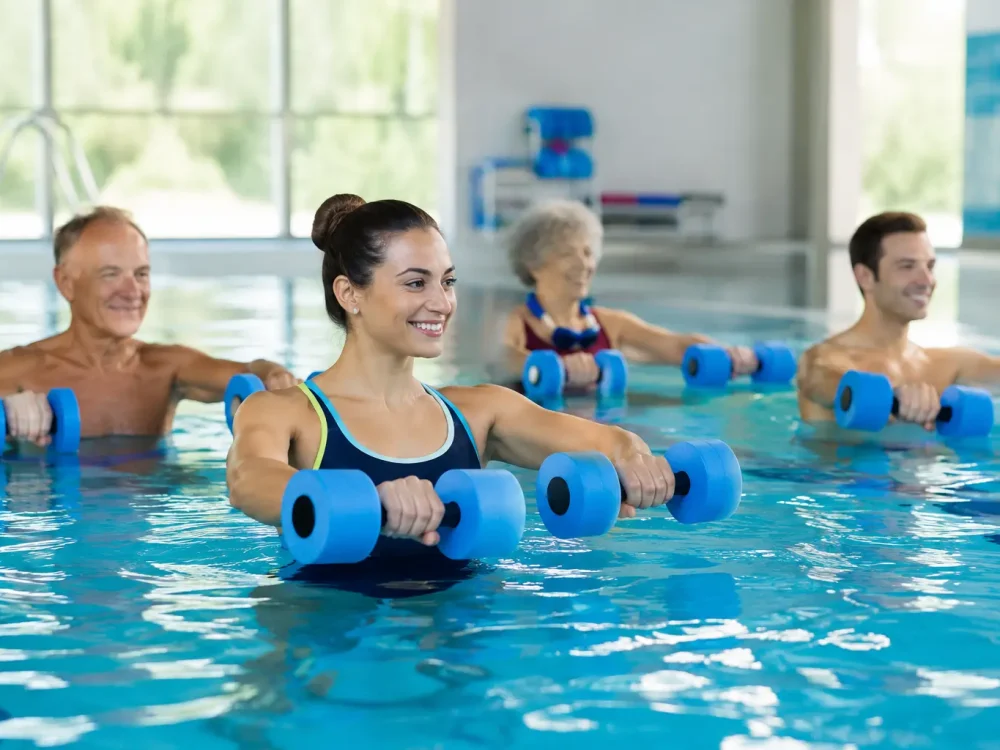
  • Group Hydrotherapy Sessions: Benefits may include social interaction, shared motivation, and lower-cost options in some settings.

The right option depends on your goals, confidence level, support needs, and personal preference.

Hydrotherapy Options Across Brisbane: What Local Participants Should Consider

Brisbane participants have access to different types of aquatic therapy environments, including:

When comparing options across Brisbane suburbs, consider the practical factors that affect long-term attendance.

For example:

A participant living in North Brisbane may prioritise facilities closer to areas such as Chermside, North Lakes, or Aspley.

Someone located in South Brisbane may prefer easier access from suburbs such as Carindale, Mount Gravatt, or Sunnybank.

Participants in Western Brisbane and surrounding areas may consider options closer to Indooroopilly, Springfield, Ipswich, or nearby communities.

The most suitable facility is the one that combines:

  • Accessibility
  • Appropriate therapy support
  • Convenient travel
  • A safe environment
  • A program that aligns with your goals

When Mobile Allied Health Services May Be a Better Option

While hydrotherapy provides valuable benefits, travelling to a pool is not always practical for every NDIS participant.

Some people may experience:

  • Difficulty with transport
  • Fatigue after appointments
  • Challenges transferring in and out of vehicles
  • Limited accessibility options
  • Health conditions that make frequent travel difficult

In these situations, mobile allied health services can provide another pathway for receiving therapy support at home.

Roaming Therapy provides mobile allied health services in Brisbane to help NDIS participants access personalised care in their own environment. For some participants, a combination of hydrotherapy and mobile physiotherapy provides a more complete rehabilitation approach.

How to Prepare for Your Hydrotherapy Sessions

Getting the most from hydrotherapy involves preparation, consistency, and communication with your therapist.

Before each session:

  • Wear Suitable Swimwear: Choose clothing that allows comfortable movement and does not restrict exercise.
  • Bring Any Required Equipment: This may include mobility aids, pool supports, orthotic devices, and any equipment recommended by your therapist.
  • Arrive Early: Allow enough time for changing, preparing equipment, and discussing concerns with your therapist.
  • Communicate Changes: Tell your therapist if you experience increased pain, new symptoms, increased fatigue, or changes in mobility. Your exercise program should be adjusted according to your current abilities and progress.

Frequently Asked Questions

Does the NDIS pay for hydrotherapy in Brisbane?

The NDIS may fund hydrotherapy when it is considered reasonable and necessary and supports the participant’s disability-related goals. Funding depends on individual circumstances, plan funding categories, and professional recommendations.

Many hydrotherapy facilities provide accessibility features such as pool hoists, ramps, accessible change rooms, and disability parking. However, accessibility varies between locations, so it is important to confirm available equipment before booking.

No. Hydrotherapy is different from swimming. Sessions are usually focused on therapeutic exercises, supported movement, and rehabilitation rather than swimming ability. Participants are guided according to their mobility level and safety requirements.

Hydrotherapy may help some people with arthritis by providing a low-impact environment where movement can be performed with less stress on joints.Warm water therapy is often used alongside other treatment approaches. You can learn more about aquatic therapy approaches for joint conditions in our article about hydrotherapy for arthritis in Adelaide.

Start by identifying your therapy goals, mobility requirements, and accessibility needs. Ask facilities about pool access equipment, water temperature, therapist support, changing facilities, and parking availability. Your physiotherapist or NDIS provider may also help you identify suitable options.

Choosing the Right Hydrotherapy Support in Brisbane

Choosing a hydrotherapy pool is about finding the right combination of accessibility, safety, professional guidance, and convenience.

For NDIS participants in Brisbane, the ideal option should support your personal goals while making therapy easier to maintain consistently.

Before choosing a facility, consider:

  • Does it meet your accessibility requirements?
  • Is the water temperature suitable for therapy?
  • Can you attend regularly without unnecessary travel barriers?
  • Does it provide professional support when required?
  • Does it align with your NDIS goals?

Hydrotherapy can be a valuable part of rehabilitation when combined with personalised guidance and ongoing support. Whether you benefit from pool-based therapy, home visits, or a combination of both, Roaming Therapy can help you explore suitable allied health options.

Our Brisbane team provides NDIS physiotherapy and mobile allied health support for participants across Brisbane and surrounding areas.

If you would like to discuss your therapy needs, contact Roaming Therapy to speak with our team about available support options.

Share the Post:

Recent Posts​

Scroll to Top