
Top Home Modifications Supported by the NDIS

Table of Contents

NDIS home modifications in Melbourne help people with disabilities or limited mobility live more safely, comfortably, and independently. These accessibility improvements make everyday tasks such as bathing, cooking, and moving around the home easier while reducing the risk of falls and injuries.

Professional in-home occupational therapy services assess each home to identify barriers and recommend modifications tailored to the participant’s needs. Across Melbourne and nearby suburbs like Epping, Sunshine, and North Melbourne, the demand for accessible housing solutions is growing as more residents seek safer, disability-friendly homes.

If you want a deeper understanding of funding rules, eligibility, and the types of accessibility upgrades supported by the scheme, you can also explore this detailed guide explaining NDIS funding and eligibility for home accessibility improvements.

This guide explains the most common NDIS home modifications available in Melbourne, including eligibility requirements, costs, and the approval process.

Home Modifications

What Are NDIS Home Modifications?

NDIS home modifications in Melbourne are accessibility changes made to a participant’s home to improve safety, mobility, and independence. These modifications may include grab rails, wheelchair ramps, widened doorways, accessible bathrooms, and assistive technology. They are usually recommended through occupational therapy assessments and funded by the NDIS when considered reasonable and necessary.

Accessibility upgrades can include:

1. Non-structural improvements

Small safety fixtures designed to improve accessibility. Examples include:

  • Grab rails
  • Handheld shower heads
  • Non-slip bathroom accessories

2. Structural accessibility changes

Larger renovations that modify the physical layout of a home. Examples include:

  • Accessible bathrooms
  • Widened doorways
  • Step-free entrances

These changes help participants safely perform everyday tasks such as bathing, preparing meals, and moving between rooms.

Categories of NDIS Home Modifications

The NDIS groups accessibility upgrades based on complexity and cost. These categories determine the level of documentation and assessment required before NDIA approval.

Category

Complexity and Cost

Example

Simple Modifications

Small safety fixtures under $10,000

Grab rails, handheld showerheads

Minor Modifications

Low-cost structural changes ($10,000–$20,000)

Small entry ramps, handrails, and minor doorway adjustments

Complex Modifications

Major structural changes over $20,000 requiring professional design and approvals

Accessible bathrooms, widened hallways, major mobility access improvements

Top NDIS Home Modifications in Melbourne & Surrounding Suburbs

Accessibility upgrades funded through the NDIS focus on improving safety, independence, and mobility inside the home.

Assessments are usually conducted by occupational therapists who evaluate how a participant moves around their home. If you’re unsure which allied health professional manages these assessments, this guide explains the roles of occupational therapists and physiotherapists in home modification assessments:

Common NDIS-funded home modifications include:

  1. Walk-in or roll-in showers
  2. Grab rails and bathroom safety fittings
  3. Wheelchair ramps and step-free entrances
  4. Widened doorways and hallways
  5. Adjustable kitchen benches
  6. Smart home accessibility technology
  7. Safety and emergency access

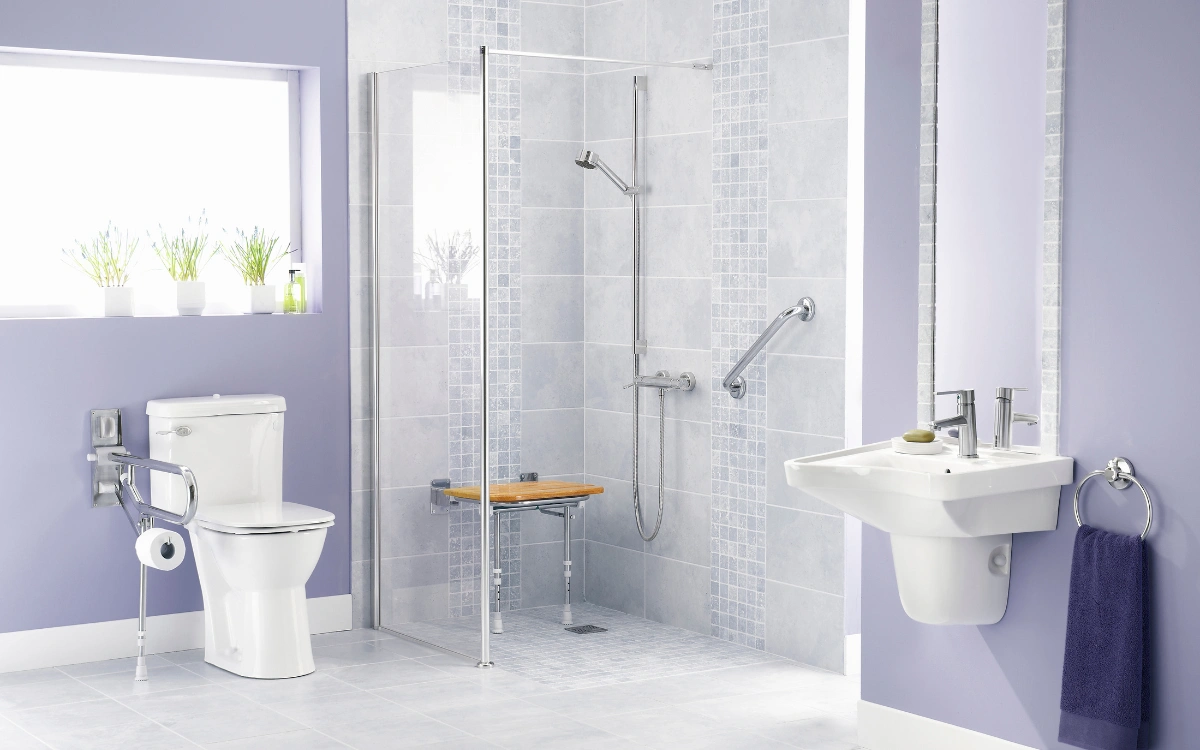
1. Bathroom Safety and Accessibility

Bathrooms are one of the most common areas where accessibility upgrades are required due to the higher risk of slips and falls.

Common modifications include:

  • Walk-in or roll-in showers
  • Hobless showers with non-slip flooring
  • Grab rails and support bars
  • Wall-mounted or folding shower seats
  • Accessible toilets and repositioned taps
Home Modifications

2. Entry Access Improvements

Step-free entrances allow safer access for wheelchair users and people with mobility limitations.

Examples include:

  • Wheelchair ramps or step-free entrances
  • Step removal and threshold wedges
  • Handrails at entrances
  • Accessible pathways from parking areas

3. Doorways and Circulation

Improving circulation inside the home makes it easier to move safely between rooms.

Examples include:

  • Widened doorways and hallways
  • Lever handles replacing round doorknobs
  • Adjusting door swing direction
  • Removing small floor-level changes

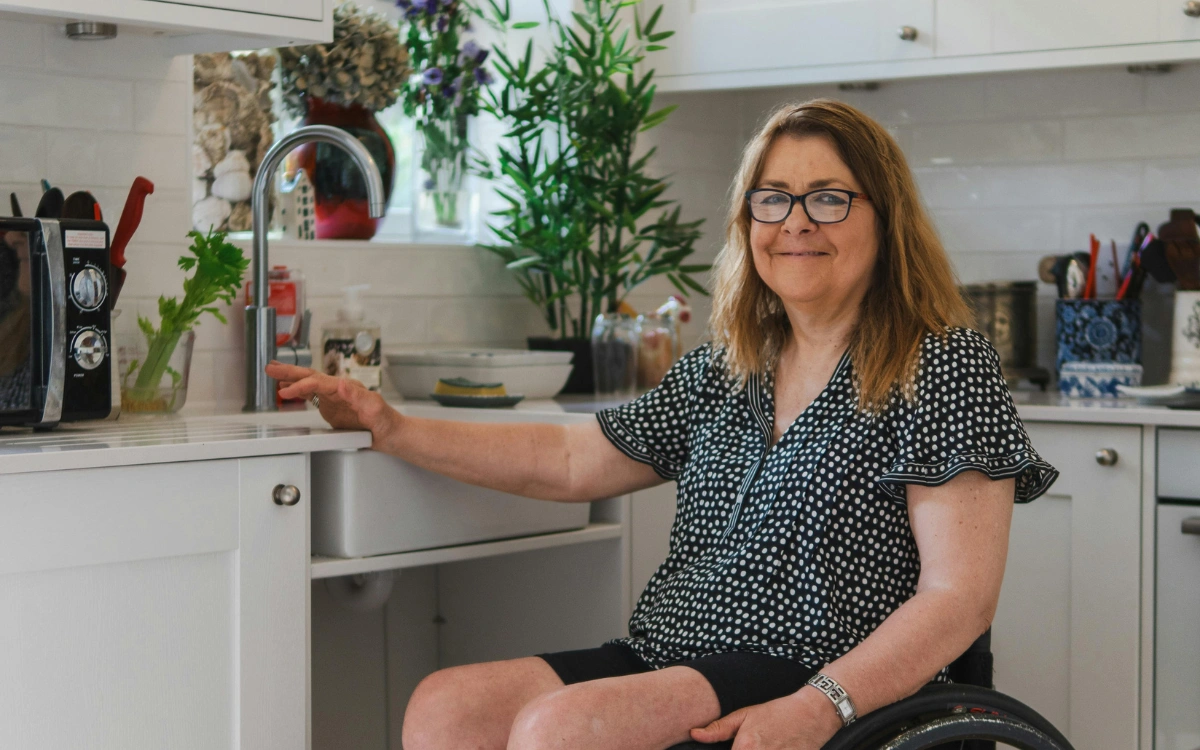
4. Kitchen Accessibility

Kitchen accessibility modifications allow participants to prepare meals and perform household tasks safely.

Examples include:

  • Lowered or adjustable benchtops
  • Open space under benches for wheelchair access
  • Pull-out drawers and accessible storage
  • Non-slip kitchen flooring

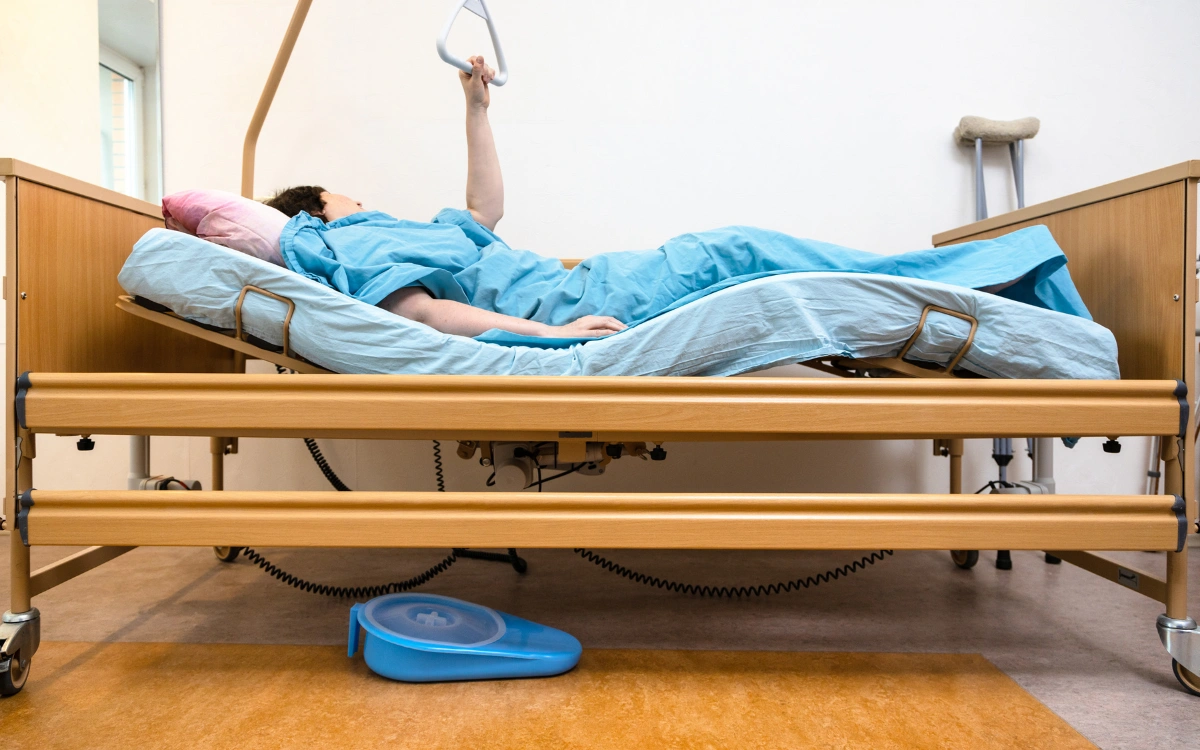
5. Bedroom and Living Areas

These modifications improve comfort and accessibility within everyday living spaces.

Examples include:

  • Ceiling hoists with structural support
  • Reinforced walls for grab rails or equipment
  • Relocating bedrooms closer to accessible bathrooms
  • Clear transfer spaces for mobility equipment
Home Modifications

6. Assistive Technology

Accessibility upgrades can also include assistive technology that improves independence.

Examples include:

  • Automatic door openers
  • Smart lighting systems
  • Environmental control systems
  • Intercoms or communication devices

7. Safety and Emergency Access

Safety planning is essential for participants requiring additional support.

Examples include:

  • Clear exit pathways
  • Wheelchair-accessible escape routes
  • Fire safety considerations
  • Space for support workers during emergencies

These modifications are often recommended alongside broader support at home services in Melbourne, which help create safer, independent living environments across Epping, Sunshine, Broadmeadows, Frankston, and other suburbs across Melbourne.

Who Is Eligible for NDIS Home Modifications?

To receive funding for NDIS home modifications in Melbourne, participants must demonstrate that the proposed changes are reasonable and necessary due to the functional impact of their disability.

The NDIA considers:

  • Whether the modification improves independence
  • Whether the home is suitable for modification
  • Whether the cost is reasonable
  • Whether landlord consent is provided for rental homes

Documentation typically includes:

  • Occupational therapy home assessments
  • Functional capacity reports
  • Detailed modification recommendations
  • Quotes from qualified accessibility builders

Minor vs Complex Modifications

NDIS modifications are generally classified into two main categories.

Modification Type

Cost

Description

Examples

Minor

Up to $20,000

Low-cost, limited structural changes

Focused on improving accessibility and safety (i.e., small ramps, handrails, minor doorway adjustments)

Complex

$20,000+

Major structural changes, requiring professional plans

Require building design plans and specialist construction. Examples include accessible bathrooms and major home layout changes.

This classification helps determine the level of assessment and documentation needed before NDIS approval.

For more information about therapy pricing and funding changes, see the latest NDIS price guide updates affecting therapy services.

How to Get NDIS Home Modifications Approved in Melbourne

The approval process usually involves several steps.

Step 1:  Identify accessibility challenges in the home.
Step 2: Arrange an occupational therapy home assessment.
Step 3: Prepare an OT report outlining recommended accessibility upgrades.
Step 4: Obtain quotes from experienced accessibility builders.
Step 5: Submit all documentation to the NDIA for review.
Step 6: NDIA decides on funding approval.
Step 7: Construction begins, followed by quality checks for safety and accessibility compliance.

Participants planning therapy alongside accessibility upgrades should also understand how to organise and book NDIS therapy services effectively.

How Much Do NDIS Home Modifications Cost?

The cost of home modifications varies depending on:

  • Type of modification
  • Structural changes required
  • Materials and equipment
  • Labour and installation
  • Compliance with building and accessibility standards

NDIS funding focuses on necessary accessibility improvements, not general home upgrades.

Many of these modifications also support daily functional activities such as bathing, dressing, and mobility. These are closely connected with NDIS-funded self-care supports and daily living assistance, which help participants maintain independence at home.

Common Mistakes to Avoid

When planning accessibility upgrades, participants should avoid:

  • Starting renovations before NDIS approval
  • Hiring builders unfamiliar with accessibility requirements
  • Skipping occupational therapy assessments
  • Installing changes that do not match functional needs

Working with experienced occupational therapists and accessibility builders helps ensure modifications are effective and compliant.

FAQs: NDIS Home Modifications Melbourne

Can NDIS fund modifications for rented properties in Melbourne?

Yes, the NDIS can fund home modifications for rental properties if the changes are necessary due to a participant’s disability. Written consent from the landlord or property owner is required before accessibility modifications can be approved and installed.

Approval timelines vary depending on the complexity of the modification and documentation requirements.

Yes, if they improve independence and accessibility, such as automated doors or environmental control systems.

Yes, professional assessments are usually required to justify funding and ensure modifications meet functional needs.

Yes. Many participants receive therapy through mobile allied health services that provide home-based assessments and rehabilitation.

Related NDIS Resources

Create a Home That Supports Your Independence

NDIS Home Modifications in Melbourne empower people with disabilities to live safely and independently. Working with qualified occupational therapists and allied health professionals ensures modifications meet functional needs, safety standards, and NDIS funding criteria.

Whether it’s an accessible bathroom, a step-free entrance, or smart home technology, properly planned and approved modifications enhance mobility, safety, and independence in Melbourne and nearby suburbs.

Share the Post:

Recent Posts​

NDIS Physio for Parkinson’s Disease in Melbourne

Managing Parkinson’s can feel overwhelming, but the right support makes a difference. This guide explains how physio for Parkinson’s disease helps improve mobility, balance, and daily function. Learn how NDIS-funded physiotherapy in Melbourne can support your goals. Click to explore your options today.

Read More

NDIS Home Modifications: Funding, Eligibility & Ideas

Understanding NDIS Home Modifications can help you create a safer, more accessible living space. From funding and eligibility to practical ideas, this guide covers what you need to know. Want to make the most of your NDIS plan? Click to explore your options and get started today.

Read More
Scroll to Top