
Play-Based OT for Kids with ADHD: What Parents in Melbourne Should Know

Table of Contents

Families seeking occupational therapy for kids with ADHD in Melbourne often look for practical strategies to support daily routines, emotional regulation, and school participation. ADHD can affect attention, impulse control, organisation, and social skills, making early, functional interventions important.

Play-based occupational therapy in Melbourne uses engaging, hands-on activities to develop independence, self-regulation, and executive functioning skills. While not a primary treatment for core ADHD symptoms, research shows that play-based OT can improve functional skills, daily routines, and social participation. Occupational Therapy Australia (OTA) recommends involving families and practising skills in natural environments, such as home or school, to reinforce learning and participation.

How Play-Based OT Builds Skills in Kids with ADHD

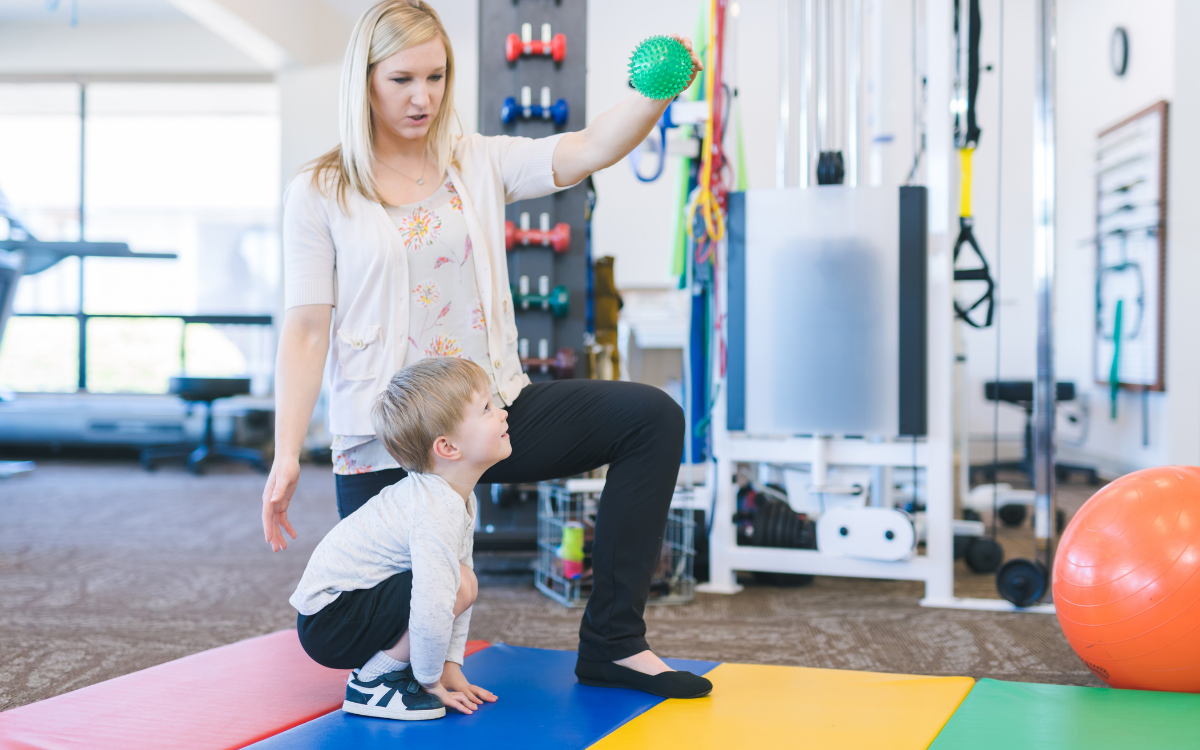
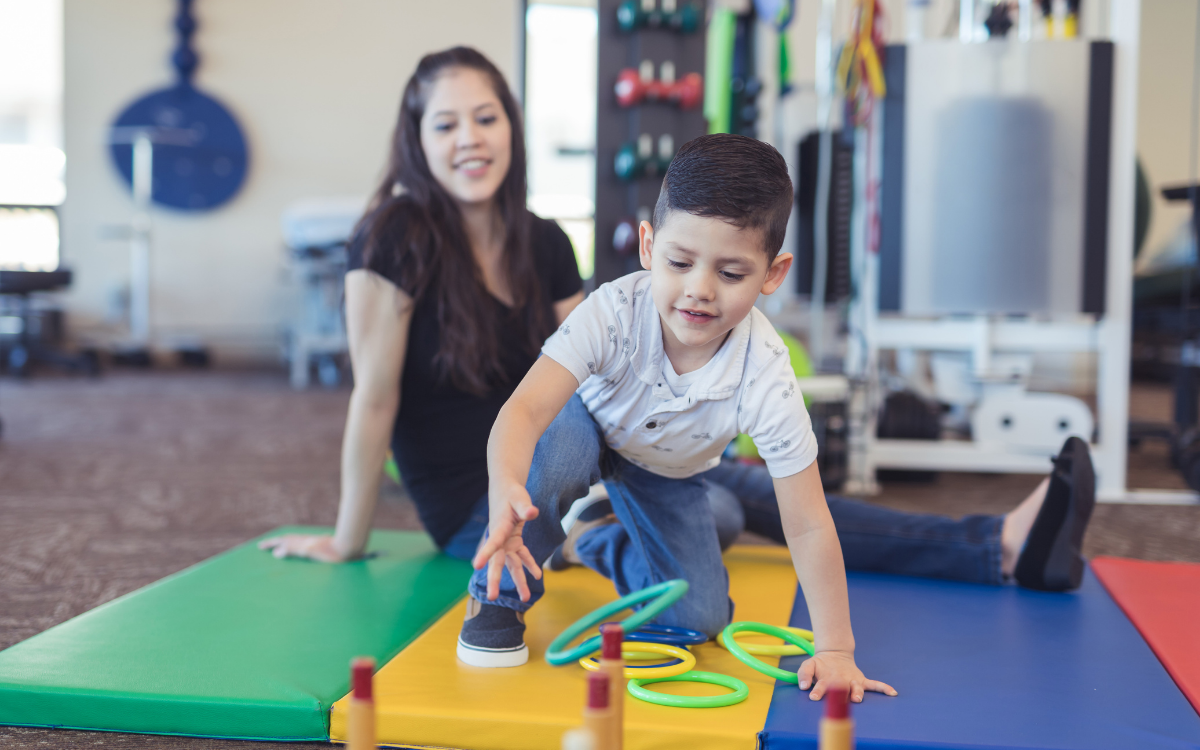
At Roaming Therapy, our occupational therapists in Melbourne use play as a therapeutic tool to target attention, planning, emotional regulation, and social interaction. Structured play is motivating and allows children to practise skills in real-life contexts.

Activities may include:

  • Games that practise following instructions and turn-taking
  • Movement-based exercises for motor planning, coordination, and attention
  • Problem-solving games to enhance executive functioning
  • Role-play to improve social skills and emotional regulation

Research shows that structured, goal-oriented play improves functional and social play skills in children with ADHD. Improvements in attention and self-regulation are promising but require further study with larger trials.

ndis for adhd child

How Play-Based OT Supports Emotional Regulation and Daily Functioning

Play-based OT helps children with ADHD practise self-regulation, coping strategies, and social skills in a safe, low-pressure environment. Therapists may use:

  • Games promoting turn-taking and impulse control
  • Movement or sensory activities to manage over- or under-stimulation
  • Tasks for planning, organisation, and problem-solving
  • Mindfulness or breathing exercises embedded in play

These activities support frustration tolerance, emotional awareness, and impulse control. Children also work on everyday tasks such as managing routines, organising belongings, and transitioning between activities. Structured play and sensory activities can lead to meaningful improvements in functional and social-emotional skills.

What to Expect in an Initial OT Assessment for Kids with ADHD with Roaming Therapy

At Roaming Therapy, assessments are conducted in the child’s natural environment: home, school, or community settings. This approach provides a realistic understanding of strengths, challenges, and routines.

Assessment includes:

  1. Observing play and daily activities
  2. Speaking with parents, caregivers, and educators
  3. Using standardised and play-based assessment tools to evaluate attention, motor coordination, sensory processing, and self-regulation

The therapist identifies individual strengths, learning styles, and sensory needs to develop a personalised therapy plan. Plans may include:

  • Tailored play-based skill-building that matches the child’s interests
  • Sensory regulation strategies for overstimulation or under-arousal
  • Support for daily routines at home and school
  • In-home sessions to integrate therapy into everyday life

This approach ensures therapy is practical, engaging, and evidence-informed, empowering children and families to generalise skills across environments.

Play-Based Activities Used in OT for Kids with ADHD

1. Movement-Based Activities

  • Obstacle courses: Jumping, climbing, and balancing exercises improve coordination, motor planning, and attention.
  • Ball games: Catching, throwing, or rolling balls helps with hand-eye coordination, impulse control, and focus.

2. Cognitive and Problem-Solving Games

  • Sorting and matching games: Encourage planning, organisation, and attention to detail.
  • Memory or puzzle activities: Strengthen working memory, concentration, and sequential thinking.

3. Pretend and Role-Play Activities

  • Dress-up or imaginative play: Supports social skills, perspective-taking, and emotional regulation.
  • Scenario-based play: Children practise following instructions, negotiating roles, and problem-solving in social situations.

4. Sensory and Self-Regulation Activities

  • Therapy putty or tactile play: Helps children calm sensory-seeking behaviours and improve fine motor control.
  • Deep-pressure or weighted activities: Supports self-regulation and body awareness during transitions or challenging tasks.
adhd support melbourne

5. Functional Life Skills Through Play

  • Cooking or gardening tasks: Encourage sequencing, planning, and independence in everyday routines.
  • Building and construction play: Supports organisation, attention, and teamwork.

Why These Activities Work:

Each activity is designed to be fun, age-appropriate, and purposeful. While children engage in play, they simultaneously practise attention, emotional control, planning, and problem-solving skills in a way that feels natural rather than “therapy.”

Why Families Choose Roaming Therapy’s Mobile OT for Kids with ADHD in Melbourne

1. Convenient, Flexible Care Right Where You Need It

Many families now prefer Roaming Therapy’s mobile occupational therapy in Melbourne because it brings qualified therapists directly to their home, school, or local community space.  This flexible, in‑home allied health approach removes the stress of travel, makes scheduling easier, and helps therapy fit naturally into your child’s daily routine. 

Roaming Therapy delivers personalised support at your doorstep, creating a comfortable environment where children feel more secure and engaged, especially important for kids with attention, self‑regulation and sensory challenges.

2. Benefits of Therapy in Familiar Settings

Choosing in‑home occupational therapy services through Roaming Therapy means your child learns and practices new skills in the environments where they actually live, learn and play. This real‑life context makes it easier for children to generalise what they learn into everyday routines. 

Our mobile occupational therapists observe how your child interacts with their own space, family members, school bag setup, toys and daily tasks, then tailor activities that truly fit those routines. 

3. Family Involvement and Parent Coaching

A key strength of Roaming Therapy’s mobile occupational therapists is their focus on family partnership. During sessions, parents and caregivers can:

  • Observe therapy techniques in action
  • Learn strategies to use between visits
  • Practice activities together in real time

This collaborative model empowers parents to become active partners in their child’s growth and makes it easier to reinforce skills every day. 

Frequently Asked Questions

Is play-based OT effective for children with ADHD?

Research shows it can improve functional and social play skills, attention, and self-regulation when embedded in daily routines. It is a complementary intervention, not a replacement for core ADHD treatments.

Yes. Mobile or in-home occupational therapy services allow children to practise skills in real-life environments, which may help skill generalisation.

NDIS may fund OT when ADHD significantly impacts daily functioning and goals are specified in a participant’s plan. Eligibility is assessed on a case-by-case basis.

Improvements vary by child, age, and therapy consistency. Many families notice progress within a few months, with ongoing therapy supporting long-term gains.

Look for a therapist who is experienced in paediatric ADHD, uses evidence-based, play-based approaches, and works collaboratively with families. Credentials, references, and the ability to provide home or school-based sessions are also important.

Helping Your Child Thrive With Play-Based OT

Play-based OT for kids with ADHD in Melbourne can help children develop confidence, independence, and everyday skills. By combining hands-on activities, personalised goals, and family involvement, children learn practical strategies that improve life at home, school, and in the community.

Share the Post:

Recent Posts​

Benefits of Home Physiotherapy for Elderly in Melbourne

Staying active and independent is easier when care comes to you. This article explains how home physiotherapy for elderly Melbourne families rely on helps manage pain, improve balance, and support safe movement at home. Want to know if in-home physio is the right option for your loved one? Click to learn more.

Read More

Roaming Therapy’s Guide to Occupational Therapy for ADHD in Adults

Occupational therapy can help adults with ADHD build routines, improve focus, and manage daily challenges more confidently. In this guide, Roaming Therapy explains how occupational therapy for ADHD supports independence, work performance, and well-being. Want practical strategies that fit real life? Click to read the full guide and get started today.

Read More

How to Get an ADHD Assessment for Adults in Melbourne

Getting clarity around ADHD as an adult can feel overwhelming, but the right assessment makes all the difference. This guide explains how an ADHD assessment for adults Melbourne residents can access works, what to expect, and where to start. Ready to take the next step with confidence? Click to read the full guide.

Read More
Scroll to Top