

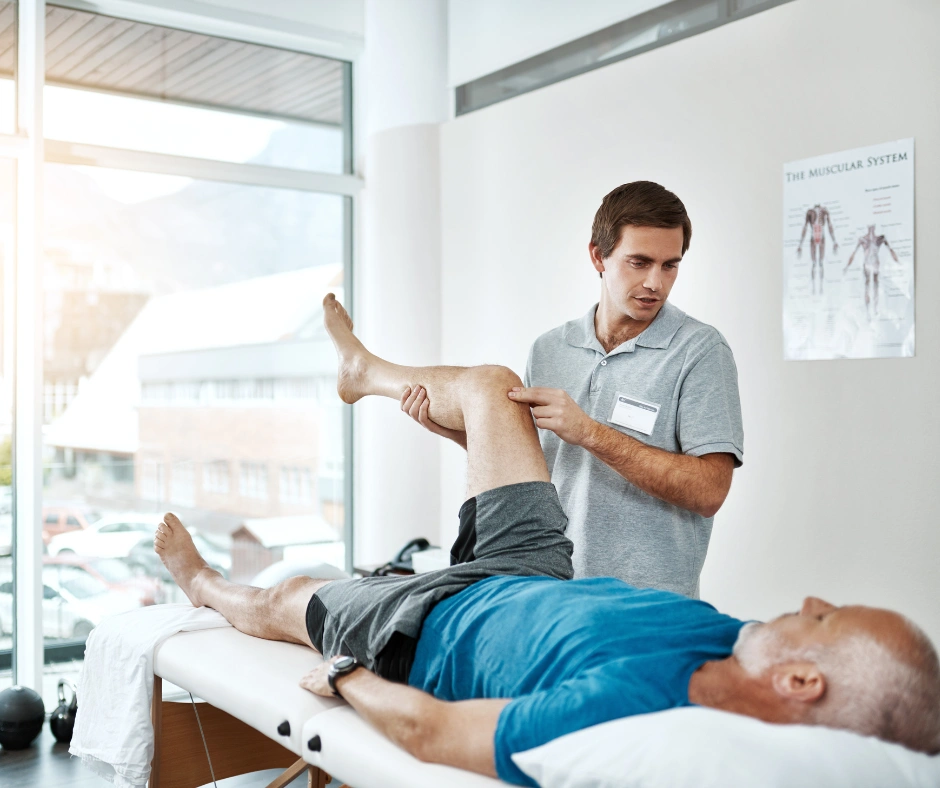
NDIS Physio for Parkinson’s Disease in Melbourne

Table of Contents

Parkinson’s disease is a progressive neurological condition that affects movement, balance, and coordination. Many people living with Parkinson’s experience tremors, muscle stiffness, slower movements, and difficulty walking, which can make everyday tasks challenging and increase the risk of falls.

Physio for parkinson’s disease helps people manage these symptoms, maintain independence, and improve mobility. For eligible participants, the National Disability Insurance Scheme (NDIS) provides funding for physiotherapy programs tailored to individual needs. In Melbourne, home visit physiotherapy and local NDIS mobile providers like Roaming Therapy make accessing care easier, particularly in suburbs such as Craigieburn, Broadmeadows, and Dandenong.

This article explores physio for Parkinson’s disease, evidence-based exercises, NDIS eligibility, and how Melbourne residents can access personalised care to support long-term mobility and quality of life.

physio for parkinson's disease

What Is Parkinson’s Disease?

Parkinson’s disease is a neurological condition that gradually affects how a person moves, walks, and maintains balance. Its hallmark symptoms include:

  • Tremors or shaking, usually beginning in the hands
  • Muscle stiffness that limits flexibility and movement
  • Slower movements (bradykinesia)
  • Freezing of gait, where the feet temporarily stop while walking
  • Postural instability, increasing the risk of falls

As symptoms progress, daily activities such as walking, standing, or moving around the home can become more challenging. Physiotherapy can help manage these difficulties, improve safety, and enhance confidence in movement. Check our guide about the conditions NDIS physiotherapy can support.

How Physiotherapy Helps Parkinson’s Disease

Physiotherapy is designed to support movement, coordination, and balance, helping people with Parkinson’s maintain independence and reduce the risk of falls. For those eligible, NDIS-funded physiotherapy provides structured programs tailored to individual functional needs.

Key benefits include:

  • Improving walking patterns and mobility
  • Strengthening muscles to support posture and balance
  • Reducing fall risk through targeted exercises
  • Supporting participation in daily and community activities

Melbourne residents can access physiotherapy in-clinic, at home, or through mobile services. Mobile physio in Melbourne can make care more convenient and effective. If you’re unsure how to start with NDIS physiotherapy services, read this next.

Evidence-Based Physiotherapy Techniques for Parkinson’s

For optimal outcomes, physiotherapists use evidence-based approaches specifically designed for Parkinson’s disease:

  1. LSVT BIG Therapy: This therapy focuses on large-amplitude movement exercises to improve functional mobility and overall coordination.
  2. Gait Cueing Techniques: Visual or auditory cues help manage freezing of gait, enabling safer and more fluid walking.
  3. Balance and Postural Training: Structured exercises strengthen core and lower-limb muscles to improve stability and reduce fall risk.
  4. Strength and Resistance Training: Targeted resistance exercises improve mobility, muscle control, and endurance.
  5. Treadmill Training: Supervised treadmill sessions enhance walking speed and gait consistency.

Physiotherapy Exercises for Parkinson’s Disease

Practical exercises can be included in NDIS-funded programs or performed at home under guidance:

  • Step training: Improve coordination and rhythm while walking
  • Weight-shifting exercises: Enhance balance and postural control
  • Sit-to-stand practice: Strengthen lower-limb muscles for functional mobility
  • Walking rhythm exercises: Reduce freezing episodes and improve gait
  • Posture correction exercises: Maintain spinal alignment and prevent stiffness

Regular practice of these exercises can help people stay active, safe, and independent.

physio for parkinson's disease

When Should Physiotherapy Start for Parkinson’s Disease?

Early intervention is key. Physiotherapy can begin immediately after diagnosis, even if symptoms are mild. Early therapy helps:

  • Maintain mobility and independence
  • Prevent deterioration in balance and posture
  • Establish routines that can adapt as the condition progresses

For details on who is eligible for NDIS physiotherapy, check this guide.

How the NDIS Supports Physio For Parkinson's Disease

People with Parkinson’s may qualify for NDIS funding if:

  • They are under 65 years of age
  • They are Australian residents
  • Parkinson’s significantly affects daily functioning and mobility

NDIS funding can cover physiotherapy delivered via:

  • Self-managed plans: Participants manage funding and therapy themselves
  • Plan-managed options: Using a registered plan manager
  • NDIA-managed plans: Funding handled directly by the NDIS

Learn more about different plan options and which is right for you.

Once approved, participants can access structured therapy through NDIS physiotherapy providers in Melbourne, including home visit services.

Physiotherapy Services Covered by the NDIS

NDIS-funded physiotherapy programs are personalised to support mobility, strength, and independence. Services may include:

  • Mobility assessments and personalised exercise programs
  • Balance and postural training
  • Neurological rehabilitation for movement disorders
  • Home physiotherapy visits for convenience and accessibility
  • Recommendations for walking aids or adaptive equipment

Participants can choose services in-clinic, home-based, or gym-based, depending on their needs and lifestyle.

Home Visit Physio for parkinson's disease in Melbourne

Home-based physiotherapy allows participants to receive care in a familiar environment, improving adherence and comfort. Mobile services across Melbourne are available in suburbs including but not limited to:

Home physiotherapy is especially valuable for people with mobility challenges or severe balance issues; it ensures therapy is safe, personalized, and consistent.

Choosing the Right Physiotherapy Program with Roaming Therapy

Selecting the right physiotherapy program is essential for effective management of Parkinson’s disease. An ideal program should be personalised, flexible, and based on your individual goals.

At Roaming Therapy, qualified mobile physiotherapists bring expert care directly to your home. 

Here’s what to consider when choosing the right program:

  • Personalised treatment plans based on functional assessments. The treatment plan begins with a thorough in‑home assessment to understand your specific movement, strength, and balance needs. From there, our mobile physio will design a tailored physiotherapy plan that aligns with your Parkinson’s goals and daily activities.
  • Exercise preferences to improve adherence. The team works with you to incorporate exercises that suit your preferences and lifestyle.
  • Collaboration with a multidisciplinary allied health team. Mobile physiotherapy can be integrated with other allied supports such as occupational therapy or exercise physiology.
  • Flexible service delivery, including home visits across Melbourne. Whether you’re living in inner‑city Melbourne or suburbs such as Dandenong, Craigieburn, or Broadmeadows, our mobile physio team can visit you in the comfort of your home.

The convenience and tailored nature of mobile physiotherapy also help ensure that your therapy fits naturally into daily life, supporting consistent progress and sustained outcomes.

FAQs About Physiotherapy for Parkinson’s Disease

Does physiotherapy help Parkinson’s disease?

Yes. At Roaming Therapy, our NDIS physiotherapists provide personalised physiotherapy programs for people with Parkinson’s disease. Therapy improves walking, balance, and coordination while reducing the risk of falls. Melbourne clients can access home visits for physiotherapy tailored to their individual needs.

Absolutely. Evidence-based physio for parkinson’s disease, including gait training, balance exercises, and strength programs. Home-based physiotherapy in Melbourne ensures sessions are convenient and personalised.

Yes. People with Parkinson’s disease may qualify for NDIS funding if the condition significantly affects daily functioning and mobility. Trusted NDIS providers in Melbourne provide physiotherapy services that qualify for coverage under eligible NDIS plans.

The 5-2-1 rule is a daily management guideline for Parkinson’s disease:

  • 5 or more doses of Parkinson’s medication per day
  • 2 hours or more of structured exercise
  • 1 or fewer hours of sedentary time

Physiotherapy is highly effective. Structured programs improve gait, strength, and balance while reducing fall risk. Melbourne-based mobile physiotherapists use evidence-based techniques to help clients maintain independence and enhance daily functioning.

Physiotherapy helps by:

  • Improving walking patterns and posture
  • Enhancing balance and coordination
  • Reducing freezing of gait episodes
  • Maintaining functional independence

Long-term physiotherapy is extremely beneficial. Regular, ongoing therapy helps maintain mobility, slow the progression of movement difficulties, and reduce fall risk. Clients of in Melbourne benefit from consistent programs that promote strength, flexibility, and confidence in daily activities.

Share the Post:

Recent Posts​

NDIS Home Modifications: Funding, Eligibility & Ideas

Understanding NDIS Home Modifications can help you create a safer, more accessible living space. From funding and eligibility to practical ideas, this guide covers what you need to know. Want to make the most of your NDIS plan? Click to explore your options and get started today.

Read More

Top Home Modifications Supported by the NDIS

Making the right Home Modifications can greatly improve safety, comfort, and independence for NDIS participants. From bathroom upgrades to accessibility changes, this guide highlights the most common supports available. Want to see which modifications may suit your needs? Click to explore the full list and get started today.

Read More
Scroll to Top