

NDIS Overhaul 2026: Key Changes, Cuts & What Happens Next
Big changes are coming to the NDIS in 2026. From new eligibility rules to funding reforms, here’s what the overhaul means and what happens next.
If you are an NDIS participant, you may have come across the term NDIS Capacity Building Supports. These supports help people build skills. This boosts their independence and improves their quality of life. Capacity Building Supports aim for long-term personal growth. They help improve mobility, teach daily skills, and boost confidence in different activities.
However, accessing these services can sometimes be challenging. Many participants face barriers such as transportation difficulties, scheduling conflicts, or a preference for receiving care in a familiar environment. Mobile therapy services provide a smart solution. They bring healthcare professionals right to the participant’s home. This makes access easier and more convenient.
This article explores NDIS Capacity Building Supports. It shows how mobile therapy helps people become more independent and boosts their well-being.
NDIS Capacity Building Supports are designed to help participants gain independence and improve their ability to manage everyday life. Capacity-building funding is different from core support. While core support helps with daily tasks, capacity-building funding focuses on skill development for long-term independence.
The NDIS divides these supports into different categories, including:
Many participants find that capacity-building therapies are key to reaching their independence goals. These therapies include mobile physiotherapy, occupational therapy, and exercise physiology.
For many NDIS participants, accessing therapy can be a challenge. Traditional clinic-based services aren’t always convenient. This could be due to mobility issues, transportation problems, or a busy schedule.
Mobile therapy providers come to your home or preferred place. You no longer need to travel to a clinic for professional healthcare services. This means you can receive physiotherapy, exercise physiology, or other allied health services in the comfort of your own home. This approach ensures that therapy is accessible, comfortable, and tailored to your specific needs.
Mobile therapy allows NDIS participants to get allied therapy services right at home. This method helps people with disabilities, chronic conditions, or anxiety about clinics.
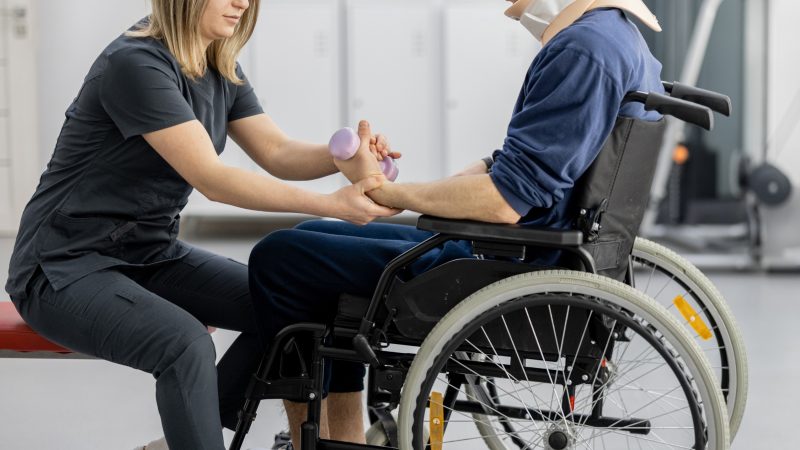
A mobile NDIS physiotherapist helps participants move better, ease pain, and regain function, all from home.
NDIS physiotherapy is beneficial for people recovering from injuries or surgeries. It benefits individuals with chronic pain conditions like arthritis or fibromyalgia. NDIS participants with neurological conditions such as cerebral palsy or multiple sclerosis. Those who need rehabilitation following a stroke or spinal cord injury.
Key Benefits of Mobile Physiotherapy:
A physiotherapist doing home visits can teach you how to prevent injuries. They also show pain management techniques and suggest home exercises. This helps you make long-term progress.
A mobile NDIS exercise physiologist helps participants boost their health and well-being. They do this through structured exercise programs. These programs aim to build strength, endurance, and flexibility. They also consider each person’s disabilities and physical limits.
NDIS exercise physiology benefits various people. This includes people with limited mobility or muscular weakness. Individuals managing cardiovascular conditions such as heart disease or hypertension. Those with weight-related health concerns who need structured exercise guidance. Participants with conditions like diabetes or osteoporosis that require specific movement strategies.
Exercise physiology differs from physiotherapy. While both aim to improve physical well-being, their approaches and focuses are different. Physiotherapy primarily focuses on rehabilitation and pain relief, helping individuals recover from injuries or manage chronic pain. It works to restore function and movement, often after injury, surgery, or the onset of a medical condition.
On the other hand, exercise physiology is centreded around using structured exercise programs to improve overall health, strength, and fitness. It focuses on preventative care, enhancing endurance, flexibility, and cardiovascular health, and helping individuals maintain long-term health and manage chronic conditions through exercise. While physiotherapy often addresses immediate recovery needs, exercise physiology aims to build a foundation for sustained physical health and overall well-being.
NDIS participants might need more than just physiotherapy and exercise physiology. They may also benefit from other allied health services. Many of these services come from mobile therapy providers.
Occupational therapy focuses on improving daily living skills, such as dressing, cooking, and personal care. Occupational therapist helps participants use assistive technology or home modifications for increased independence. Supports sensory processing difficulties, common in individuals with autism or neurological conditions.
Speech therapy sssists individuals with communication difficulties, including speech delays and non-verbal communication. They provides swallowing therapy for people with conditions affecting their ability to eat or drink safely. Speech therapist helps with social communication skills, particularly for individuals with autism or developmental delays.
The address emotional well-being, anxiety, and behavioural challenges. Speech therapist supports individuals with mental health conditions such as depression or PTSD. They help develop coping strategies, resilience, and emotional regulation.
NDIS Capacity Building Supports are great, but participants often face challenges accessing services.
Many NDIS participants, especially in rural areas, have trouble finding local therapy providers. In some cases, they might have to travel long distances to visit an NDIS-approved clinic. High demand for some services can cause long wait times. This, in turn, delays essential care.
Mobile therapy eliminates travel by bringing healthcare professionals to you. Mobile therapists offer top-notch care at your home, community centre, or workplace. Whether you need physiotherapy, exercise physiology, or occupational therapy, they can help. This is beneficial for participants in remote areas who might otherwise have limited access to specialised care.
Many NDIS participants juggle multiple tasks, such as work, school, social activities, and caregiving duties. Finding a time that fits within a clinic’s standard operating hours can be difficult. This can lead to missed appointments and inconsistent therapy sessions.
Mobile therapy services offer greater flexibility. This allows participants to book sessions at a time that suits their schedule. Some providers even offer after-hours or weekend appointments. This ensures that participants can receive treatment without disrupting their daily routines. Mobile therapy fits into people’s schedules. This helps keep treatment consistent, which is key for long-term progress.
Not all NDIS participants have access to reliable transportation. Public transport can be challenging for individuals with mobility limitations. For those relying on family members or carers to drive them to appointments, finding a convenient time can add an extra layer of stress.
Home physiotherapy and mobile therapy options mean participants no longer need to arrange transport to a clinic. A physiotherapist for home visits can provide the same level of care right in the participant’s home. It saves time and reduces stress. People can get consistent therapy without any logistical issues.
For many people, clinic environments can feel overwhelming. Some participants particularly those with anxiety, autism, or sensory processing challenges may find new environments stressful, making therapy sessions less effective. Others may feel uncomfortable discussing personal health concerns in an unfamiliar setting.
Receiving therapy at home allows participants to feel more at ease, leading to better engagement and outcomes. Mobile therapists can tailor sessions to fit each participant’s needs. They use familiar surroundings to create practical, real-life therapy exercises. For instance; an NDIS exercise physiologist can design a home-based fitness program using household items. An occupational therapist can assess and modify a participant’s living space to improve independence. A home physiotherapy session can take place in a setting where the participant feels safe and comfortable.
Mobile services provide therapy in a familiar, personalised setting. This helps participants achieve better results.
Many NDIS participants aren’t sure how to use their NDIS funding for mobile allied therapy services. Some don’t know whether their plan covers in-home services, while others are unsure about how to find an NDIS-approved provider. Without clear guidance, participants may miss out on valuable therapy options.
Understanding NDIS funding can feel overwhelming, but it doesn’t have to be. If you’re unsure whether your plan covers mobile physiotherapy, exercise physiology, or other allied therapy services, you can:
With Capacity Building Supports funding, you can use it for mobile physiotherapy, exercise physiology, and other allied therapy services.
When looking for a mobile therapy provider, you should ensure services are covered under your plan. Look for providers skilled in working with NDIS participants. Choose a NDIS service provider who tailors services to your needs.
Contact NDIS service providers directly via their website or phone. Reach out to Roaming Therapy if you’re based in Melbourne. Discuss your goals and funding with your NDIS therapist. Plan your first session and get started!
NDIS Capacity Building Supports help participants develop essential life skills, improve well-being, and gain greater independence. Allied health services like physiotherapy, exercise physiology, and occupational therapy are vital. They significantly improve the quality of life for people with disabilities.
Many participants find it hard to access these services. This is often due to mobility issues, transportation barriers, or scheduling conflicts. This is where mobile therapy services provide a valuable solution. This allows individuals to receive professional care in the comfort and familiarity of their own homes.
If you or someone you know is looking for NDIS physiotherapists, mobile physios, or allied therapy services, exploring options like Roaming Therapy in your local area can make a significant difference. Mobile therapy offers a personalised, convenient, and effective approach to achieving health and independence goals.
Contact a provider today and start your journey toward better health and independence!
Big changes are coming to the NDIS in 2026. From new eligibility rules to funding reforms, here’s what the overhaul means and what happens next.
Choosing between an Occupational Therapist vs Physiotherapist for home modifications can be confusing. Each plays a different role in improving safety, mobility, and daily function at home. This guide explains who does what so you can make the right choice. Click to learn which expert you need.
Managing Parkinson’s can feel overwhelming, but the right support makes a difference. This guide explains how physio for Parkinson’s disease helps improve mobility, balance, and daily function. Learn how NDIS-funded physiotherapy in Melbourne can support your goals. Click to explore your options today.