


What Exercise Physiology Services in Melbourne Are Covered Under the NDIS?

Table of Contents

Exercise physiology services covered under the NDIS help participants improve strength, mobility, endurance, balance, and independence through personalised, evidence-based exercise programs. Delivered by qualified accredited exercise physiologists (AEPs), these services support people living with disabilities, chronic health conditions, injuries, and functional limitations to achieve their NDIS goals.

Many providers now like Roaming Therapy offer mobile exercise physiology services, allowing participants to receive personalised support in their own homes, local communities, or other suitable environments. This can be particularly beneficial for people who experience transport barriers, reduced mobility, fatigue, or difficulty attending traditional clinic appointments.

What Is Exercise Physiology Under the NDIS?

Under the NDIS, exercise physiology services are designed to help participants work towards disability-related goals. Unlike general fitness training, NDIS exercise physiology focuses on functional outcomes related to disability and individual support needs.

For participants looking for broader therapy support, exercise physiology is often delivered alongside other mobile allied health services in Melbourne, including physiotherapy, occupational therapy, and speech pathology.

exercise physiology services

What Does an Accredited Exercise Physiologist Do?

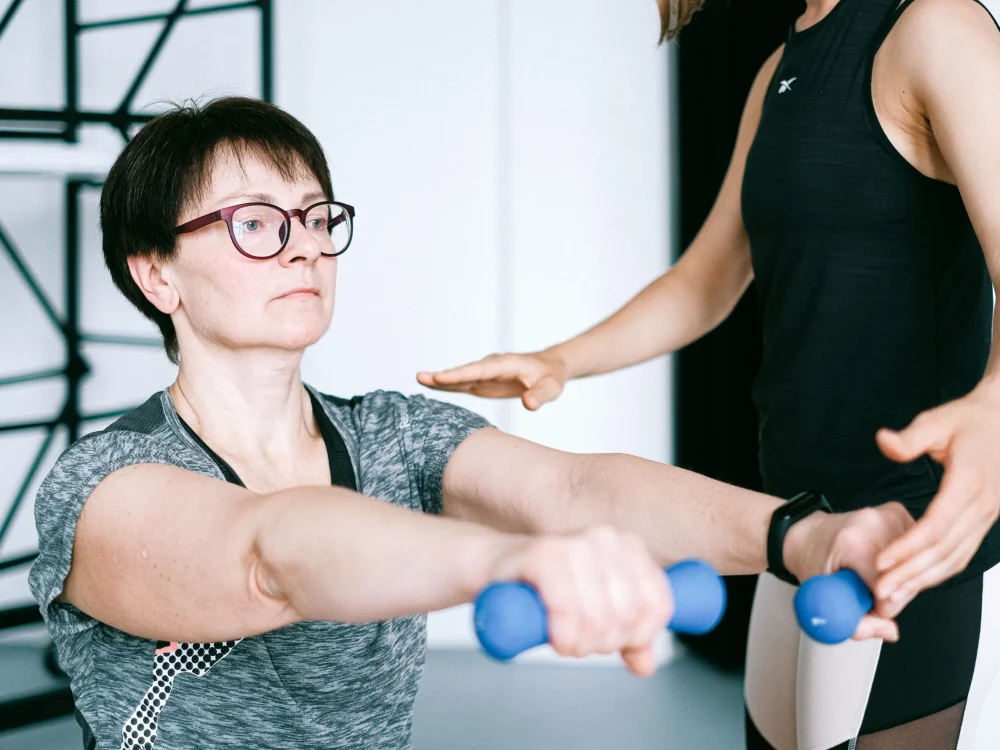
  1. Functional and Movement Assessments: Before creating an exercise program, an exercise physiologist evaluates current strength levels, balance and coordination, mobility limitations, exercise tolerance, functional challenges, and participant goals. This assessment helps determine the safest and most effective approach.
  2. Personalised Exercise Programs: Exercise programs are designed around each participant’s disability support needs, physical abilities, lifestyle, NDIS goals, and preferred activities.
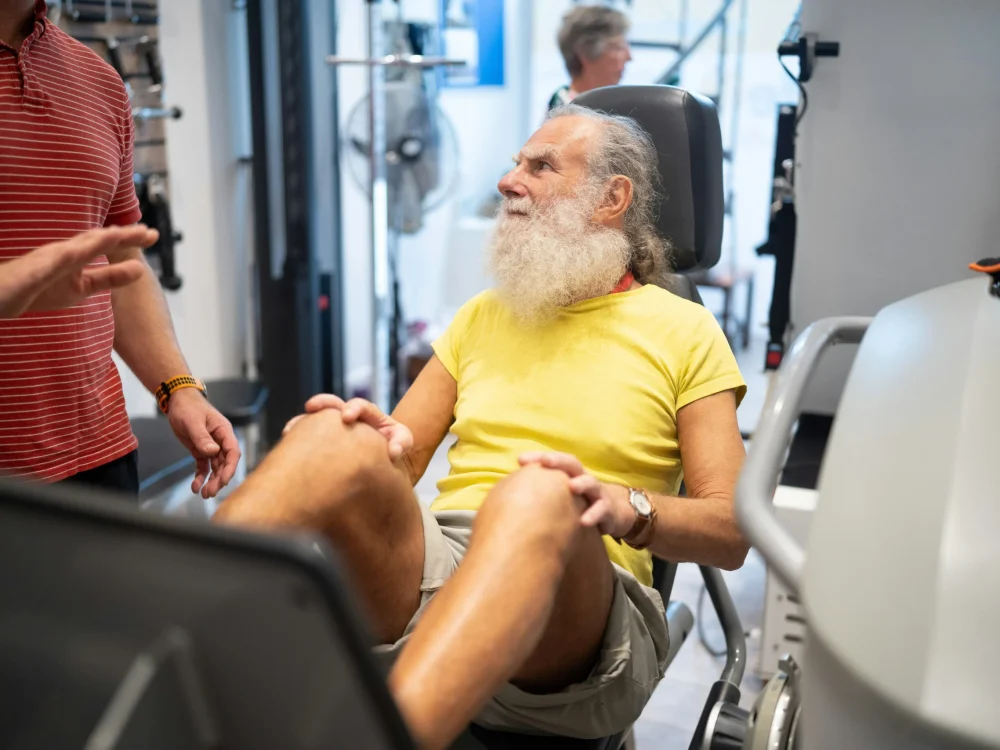
  3. Supervised Exercise Sessions: Some participants benefit from regular one-on-one sessions where an exercise physiologist provides exercise guidance, technique correction, safety monitoring, progress tracking, or program adjustments. Regular reviews help ensure exercises continue to match changes in ability and goals.
  4. Education for Participants and Carers: Exercise physiology may also include education around safe movement strategies, building healthy routines, maintaining independence, managing fatigue, and preventing avoidable physical decline.

How Does Exercise Physiology Support NDIS Goals?

The main purpose of NDIS-funded exercise physiology is to help participants improve their functional capacity and work towards goals outlined in their NDIS plan.

A personalised exercise program may support goals related to:

1. Improving Mobility and Independence

Exercise physiology can help participants develop the strength and confidence needed for everyday activities, such as:

  • Walking safely
  • Moving around the home
  • Transferring between surfaces
  • Completing household tasks
  • Participating in community activities

2. Building Strength and Physical Capacity

Reduced strength and inactivity can affect independence. Exercise physiology programs may help improve:

  • Muscle strength
  • Physical endurance
  • Stability
  • Coordination
  • Movement confidence

3. Managing Chronic Health Conditions

Many NDIS participants experience conditions that affect movement and daily function.

Exercise physiology may support people living with:

  • Cerebral palsy
  • Multiple sclerosis
  • Parkinson’s disease
  • Stroke-related disability
  • Acquired brain injury
  • Spinal cord injury
  • Autism-related physical challenges
  • Intellectual disability
  • Chronic pain conditions
  • Musculoskeletal injuries

For participants experiencing ongoing discomfort or reduced movement because of chronic pain, targeted programs such as mobile exercise physiologist support for chronic pain may help improve physical confidence and daily function.

4. Supporting Community Participation

Improving physical ability can make it easier for participants to take part in:

  • Recreational activities
  • Social events
  • Education
  • Employment activities
  • Community programs

The goal is to help participants live more independently.

physio home visits for mobility impaired residents

What Exercise Physiology Services Are Commonly Covered Under the NDIS?

The exact services included in an NDIS plan depend on each participant’s goals, functional needs, and approved funding. However, many participants access exercise physiology services for assessments, personalised programs, supervised sessions, and ongoing support.

Below are some of the most common exercise physiology supports available through NDIS funding.

1. Initial Exercise Physiology Assessments

Most exercise physiology programs begin with a detailed assessment.

An accredited exercise physiologist reviews your:

  • Current physical abilities
  • Mobility and movement patterns
  • Strength and endurance levels
  • Balance and coordination
  • Exercise tolerance
  • Disability-related challenges
  • Personal goals

The assessment helps identify what type of exercise program will provide the greatest benefit while ensuring activities are safe and achievable.

For NDIS participants, the assessment also provides important information about how exercise physiology can support functional outcomes and progress towards plan goals.

2. Individualised Exercise Programs

Every participant has different abilities, challenges, and goals. A personalised exercise program ensures support is relevant to the individual rather than following a generic fitness routine.

An NDIS exercise physiology program may include:

  • Strength Training: Strength exercises may help participants improve muscle function, perform daily tasks more easily, increase physical confidence, and maintain independence.
  • Balance and Coordination Training: Exercise physiology may include activities designed to improve stability, coordination, reaction time, and body awareness. This can help participants experiencing neurological conditions, reduced mobility, or age-related physical changes.
  • Mobility and Flexibility Exercises: Mobility-focused exercises aim to improve movement quality and make everyday activities easier.
  • Endurance and Fitness Training: Some participants experience reduced stamina because of disability, chronic conditions, or reduced activity levels.

3. Supervised Exercise Physiology Sessions

Many NDIS participants benefit from regular supervised sessions with an exercise physiologist. During these appointments, the practitioner can:

  • Demonstrate exercises correctly
  • Modify activities when needed
  • Monitor safety
  • Track improvements
  • Adjust programs as abilities change

The frequency of sessions depends on the participant’s NDIS funding, goals, and individual support requirements. Some people may benefit from weekly sessions, while others may require less frequent reviews combined with a home exercise program.

4. Home Exercise Programs and Participant Education

A major part of exercise physiology is helping participants build sustainable routines outside scheduled appointments. A home exercise program may include:

  • Simple exercises to complete independently
  • Guidance for carers or family members
  • Strategies for staying active safely
  • Education about movement and physical health

The goal is to help participants develop confidence and maintain progress between sessions.

Mobile Exercise Physiology Services Across Melbourne

exercise physiology services

Many Melbourne NDIS participants choose mobile exercise physiology because receiving support at home can remove common barriers associated with travelling to a clinic.

Mobile exercise physiology services allow participants to receive care in environments that are familiar and meaningful to them.

Appointments may take place at home, in community spaces, at local facilities, or through telehealth where appropriate

Mobile services can be particularly valuable for people who experience reduced mobility, transport difficulties, fatigue, accessibility challenges, and anxiety about unfamiliar environments

Roaming Therapy provides mobile allied health support across Melbourne, helping participants access personalised care without the stress of travelling to appointments. You can learn more about available options through our guide to mobile allied health services in Melbourne.

Who May Benefit From NDIS Exercise Physiology?

Exercise physiology may be suitable for participants living with a range of disabilities and conditions, including:

1. Neurological Conditions

Examples include:

  • Multiple sclerosis
  • Parkinson’s disease
  • Stroke-related disability
  • Acquired brain injury
  • Spinal cord injury

Exercise programs may focus on maintaining movement, improving strength, and supporting independence.

2. Physical Disabilities

Participants with physical disabilities may use exercise physiology to improve:

  • Functional movement
  • Strength
  • Balance
  • Mobility skills

3. Intellectual Disability and Autism

Exercise physiology may support participants by helping develop:

  • Physical confidence
  • Healthy routines
  • Coordination
  • Participation in recreational activities

4. Chronic Pain and Long-Term Health Conditions

Some participants experience reduced activity because of ongoing pain or health conditions.

A carefully designed exercise program can help improve:

  • Movement confidence
  • Physical capacity
  • Daily function
  • Activity tolerance

For participants managing persistent pain, specialised support such as mobile exercise physiologist services for chronic pain may provide a structured pathway towards improving mobility and independence.

exercise physiology services

How Plan Management Affects Access to Exercise Physiology

Your NDIS plan management type can influence how you access exercise physiology services and which providers you can choose.

There are three main NDIS management options:

  1. Self-Managed NDIS Plans: Self-managed participants generally have greater flexibility when choosing providers. They are responsible for paying invoices, managing claims, and keeping records.
  2. Plan-Managed NDIS Plans: Plan-managed participants have a registered plan manager who manages payments on their behalf. This option can provide flexibility while reducing the administrative workload of managing invoices.
  3. NDIA-Managed Plans: For NDIA-managed participants, services generally need to be delivered by registered NDIS providers.

How to Start Exercise Physiology Through the NDIS

Getting started is usually straightforward.

Step 1: Review Your NDIS Plan. Check whether your plan includes funding that may support exercise physiology.

Step 2: Identify Your Goals. Think about what you want to improve, like walking confidence, strength, independence, community participation, and managing physical limitations.

Step 3: Contact an Exercise Physiology Provider. A provider can discuss your needs, explain available services, and arrange an initial assessment.

Step 4: Complete Your Assessment. Your accredited exercise physiologist will evaluate your current abilities and develop a suitable program.

Step 5: Begin Your Personalised Program. Your exercise plan will be adjusted over time based on progress and changing goals.

If you would like to discuss exercise physiology options with our team, you can contact Roaming Therapy to learn more about mobile NDIS exercise physiology services across Melbourne.

Frequently Asked Questions

What NDIS funding category covers exercise physiology?

Exercise physiology is commonly funded through Capacity Building Supports, including Improved Health and Wellbeing and Improved Daily Living.The exact category depends on the participant’s approved plan and how the service supports their disability-related goals.

Generally, NDIS participants do not always require a GP referral to access exercise physiology services. However, recommendations from healthcare professionals, support coordinators, or allied health providers may help demonstrate how the service supports your NDIS goals.

There is no fixed number of exercise physiology sessions provided to every NDIS participant. The amount of support depends on your NDIS goals, functional needs, available funding, and recommendations from your allied health team.Some participants may require regular weekly sessions, while others may only need periodic reviews and exercise program updates.

Yes. Plan-managed participants can generally choose from registered and eligible providers offering approved NDIS supports. The service must still align with your NDIS plan, relate to your disability needs, and meet NDIS funding requirements.

Exercise physiology may support some participants with weight-related challenges when the service is connected to disability-related functional goals.Weight management alone is generally not an NDIS-funded support unless it is directly related to a participant’s disability needs. You can learn more about this topic in our guide on NDIS exercise physiology for obesity.

Travel arrangements for mobile services depend on current NDIS Pricing Arrangements and how services are delivered.Participants should discuss travel requirements with their provider before commencing services. Understanding travel rules can help prevent unexpected costs.

Why Choose Roaming Therapy for Mobile Exercise Physiology in Melbourne?

Accessing the right exercise physiology provider can help you feel more confident working towards your NDIS goals.

At Roaming Therapy, our accredited exercise physiologists provide personalised support designed around each participant’s abilities, preferences, and everyday needs.

Our mobile allied health approach allows participants across Melbourne to access support in environments that are comfortable and meaningful.

Our services focus on:

  • Goal-based exercise programs
  • Disability-focused support
  • Functional improvements
  • Increased independence
  • Home and community-based appointments

We work alongside participants, families, carers, support coordinators, and other healthcare professionals to provide coordinated care.

Melbourne Areas We Support

Roaming Therapy provides mobile exercise physiology and allied health services across Melbourne, including:

Our mobile approach helps participants access professional exercise support without needing to travel long distances.

Looking for mobile exercise physiology services in Melbourne? Contact Roaming Therapy to discuss your goals and find out how our accredited exercise physiologists can support your NDIS journey.

Share the Post:

Recent Posts​

Do You Need Council Approval for NDIS Home Modifications?

Not all home modifications require the same approvals. This guide explains when Council Approval for NDIS Home Modifications may be needed, what factors can affect the process, and how to avoid delays. Click to learn the key requirements before starting your home modification project.

Read More
Scroll to Top