


How to Use Your NDIS Funding for Physiotherapy Services in Gold Coast

Table of Contents

Living with a disability can make even simple daily tasks such as walking, getting out of bed, or moving around the home more difficult without support. Fortunately, the National Disability Insurance Scheme (NDIS) provides funding for a range of therapeutic supports designed to help participants achieve their goals and improve their quality of life.

If you are looking for NDIS physiotherapy in Gold Coast, understanding how your funding works is essential. Many participants and families are unsure about which budget covers physiotherapy, whether a referral is required, how costs are structured, or whether mobile appointments are included in their plan.

Roaming Therapy provides mobile therapy across the Gold Coast, including Southport, Robina, Nerang, Helensvale, Coomera, Upper Coomera, Burleigh Heads, Varsity Lakes, Palm Beach, Labrador, and surrounding suburbs. Our mobile physiotherapists deliver care directly in your home or community setting, making therapy more accessible and practical.

Learn more about our local coverage here: Mobile Allied Health Services in Gold Coast

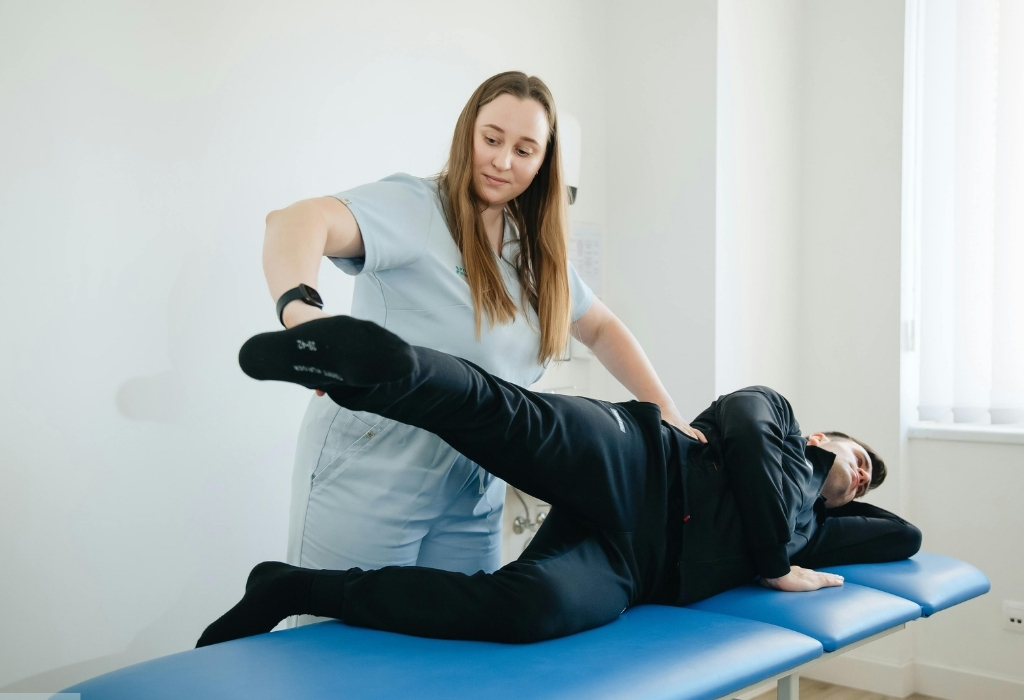
A physiotherapist assisting a client with leg exercises on a treatment table, demonstrating strength and mobility training as part of NDIS physiotherapy support.

What Physiotherapy Services Are Covered by the NDIS?

The NDIS may fund a wide range of physiotherapy supports when they are considered reasonable and necessary and directly related to a participant’s disability.

Commonly funded physiotherapy supports include:

  • Initial assessments and evaluations
  • Functional capacity assessments
  • Mobility and movement training
  • Strength and conditioning programs
  • Balance and coordination exercises
  • Pain management strategies
  • Home exercise programs
  • Assistive technology recommendations
  • Wheelchair and mobility aid assessments
  • Education for carers and family members

As part of broader NDIS allied health services, physiotherapy can help participants develop practical skills that support greater independence and long-term well-being.

Can You Use NDIS Funding for Physiotherapy?

Who Is Eligible for NDIS-Funded Physiotherapy?

To access NDIS-funded physiotherapy, you must be an approved NDIS participant with a plan that includes relevant funding for therapeutic supports. Read more about eligibility here: Who Qualifies for NDIS Physiotherapy 

Physiotherapy may benefit participants with a variety of disabilities and conditions that affect physical function, including neurological conditions, developmental disabilities, physical impairments, acquired injuries, and progressive conditions.

The key factor is not the diagnosis itself but whether physiotherapy supports the participant’s disability-related goals and helps improve functional capacity.

Can the NDIS Pay for Physiotherapy?

Yes. The NDIS can fund physiotherapy when it is directly related to a participant’s disability and helps them achieve goals outlined in their plan.

Physiotherapy is commonly used to improve:

  • Mobility and movement
  • Daily living skills
  • Physical independence
  • Community participation
  • Strength and endurance
  • Functional performance

When physiotherapy contributes to these outcomes, it is often considered an appropriate support under the NDIS.

Which NDIS Funding Category Covers Physiotherapy?

NDIS Improved Daily Living

Most physiotherapy services are funded under NDIS Improved Daily Living, which falls within the Capacity Building budget. Learn more about NDIS funding structures: NDIS Physiotherapy Services – Self vs Plan Managed 

This category supports therapies that help participants build skills, increase independence, and improve their ability to perform everyday tasks.

For many participants seeking NDIS physiotherapy in Gold Coast, this is the funding category that covers assessments, treatment sessions, and ongoing therapy programs.

NDIS physiotherapy in Gold Coast

Can Physiotherapy Be Funded Under Other Categories?

In some situations, physiotherapy-related supports may appear in other sections of a participant’s plan depending on the purpose of the support and individual circumstances.

Some participants may notice connections between therapy supports and health-related goals. However, physiotherapy is most commonly funded through Capacity Building supports rather than general health services.

There is often confusion surrounding NDIS Core Supports physiotherapy, but physiotherapy sessions are generally funded through Capacity Building categories rather than Core Supports. Participants should review their individual plan to confirm available funding.

How to Check If Physiotherapy Is Included in Your Plan

Many participants are unsure whether physiotherapy funding already exists within their plan.

You can check by:

  • Reviewing your Capacity Building budget
  • Looking for Improved Daily Living supports
  • Checking your participant portal
  • Speaking with your support coordinator
  • Contacting your plan manager

If you are uncertain, a qualified provider or support professional can help you understand how your funding may be used.

How Much Does NDIS Physiotherapy Cost?

NDIS pricing arrangements set maximum hourly rates for many allied health services, including physiotherapy. View full pricing breakdown here: NDIS Price Guidelines 2026 

For many metropolitan areas, including the Gold Coast, physiotherapy services are generally funded at a maximum hourly rate of approximately $183.99 per hour under current pricing arrangements.

Participants often ask whether this amount refers to a session or an hour.

The answer is that the rate is typically calculated on an hourly basis. The actual cost of an appointment depends on the length of the session and any additional approved supports that may be required.

Will You Have Out-of-Pocket Costs?

Many participants receive physiotherapy services that are fully covered by their available NDIS funding.

However, out-of-pocket expenses may occur if:

  • Funding has been exhausted
  • Services exceed approved support levels
  • Additional non-funded services are requested

Before commencing treatment, it is important to discuss fees, service agreements, and funding availability with your provider.

Do You Need a GP Referral for NDIS Physiotherapy?

The Short Answer Is No

One of the most common misconceptions about NDIS physiotherapy is that participants need a referral from their general practitioner.

In most cases, a GP referral is not required to access NDIS-funded physiotherapy.

Participants can usually contact a physiotherapist directly and arrange an assessment if they have appropriate funding available within their NDIS plan.

When a Referral May Still Be Useful

Although referrals are generally not required, they can sometimes assist with:

  • Providing medical history
  • Supporting funding reviews
  • Coordinating care among healthcare professionals
  • Documenting functional limitations

However, a referral is not usually necessary to begin treatment.

Choosing a Physiotherapist Based on Your NDIS Management Type

NDIS physiotherapy in Gold Coast

1. Self-Managed Plans

Participants with self-managed funding have the greatest flexibility when selecting providers.

They can generally choose both registered and non-registered physiotherapists, allowing access to a broader range of services and practitioners.

2. Plan-Managed Plans

Participants with plan-managed funding have increased flexibility compared to NDIA-managed participants.

Plan managers help process invoices and manage payments while supporting participants to access appropriate providers.

3. NDIA-Managed Plans

Participants whose funding is managed directly by the NDIA generally need to use providers that meet NDIS registration requirements.

Understanding your management type is important because it affects which physiotherapists you can access and how services are paid for.

How to Access NDIS Physiotherapy in Gold Coast

  1. Review Your NDIS Plan: Understand the funding available within your plan. Review your capacity-building supports and identify whether funding exists for therapeutic interventions and allied health services.
  2. Identify Your Goals: Physiotherapy should align with goals that are meaningful and measurable. Examples may include improving mobility, increasing independence, reducing falls, participating in community activities, or developing strength for daily tasks.
  3. Choose a Suitable Provider: When selecting a physiotherapist, consider experience supporting people with disability, understanding of NDIS requirements, availability of mobile services, communication style, and ability to work collaboratively with families and support teams.
  4. Attend an Initial Assessment: Your first appointment typically includes an assessment of your physical abilities, challenges, goals, and support requirements. The physiotherapist will then develop a personalised treatment plan tailored to your circumstances.
  5. Begin Ongoing Therapy: Following assessment, therapy sessions focus on helping you work toward your goals while monitoring progress and adjusting interventions as needed.

What If Your Plan Does Not Include Physiotherapy?

Not every participant receives physiotherapy funding in their initial plan.

If physiotherapy is not included, it may still be possible to request funding during a plan reassessment or review.

Evidence that may support your request includes:

  • Functional assessments
  • Therapy recommendations
  • Clinical reports
  • Goal-related documentation
  • Evidence of disability-related support needs

The stronger the connection between physiotherapy and your disability-related goals, the more likely it is that funding can be considered during future planning discussions.

How Many Physiotherapy Sessions Can You Receive?

There is no universal number of physiotherapy sessions available under the NDIS.

The amount of therapy a participant receives depends on several factors, including:

  • Available funding
  • Individual goals
  • Therapy recommendations
  • Complexity of support needs
  • Progress throughout the plan period

Some participants require short-term intervention, while others benefit from ongoing therapy throughout the year.

Regular reviews help ensure funding is used effectively and aligned with changing needs.

Need NDIS Physiotherapy in Gold Coast?

Roaming Therapy delivers mobile physiotherapy services across the Gold Coast, including Southport, Robina, Nerang, Helensvale, Coomera, Burleigh Heads, Varsity Lakes, Palm Beach, Labrador, and surrounding suburbs.

Whether you are starting your NDIS journey or reviewing your current plan, our team can help you access the right physiotherapy support.

Book Mobile Physiotherapy Services!
Learn About Mobile Physiotherapy!

Frequently Asked Questions

Can I use NDIS funding for physiotherapy?

Yes. Physiotherapy can be funded by the NDIS when it is related to your disability and helps you achieve the goals outlined in your plan. Many participants use physiotherapy to improve mobility, strength, balance, and independence.

Most physiotherapy services are funded through NDIS Improved Daily Living, which is part of the Capacity Building budget. This funding supports therapies that help participants build skills and improve everyday functioning.

No. In most cases, you can access NDIS-funded physiotherapy without a GP referral. If you have the appropriate funding in your plan, you can usually contact a physiotherapist directly.

Yes, mobile physiotherapy may be covered if it is considered reasonable and necessary for your disability-related needs. Many participants choose mobile physio in Gold Coast for greater convenience and accessibility.

That depends on how your NDIS funding is managed. Self-managed participants generally have the most flexibility, while plan-managed and NDIA-managed participants may need to follow specific provider requirements.

Costs vary depending on the provider and appointment length. Many physiotherapy services are charged according to NDIS pricing arrangements, with funding often covering approved treatment sessions.

You may be able to request physiotherapy funding during a plan review or reassessment. Supporting evidence from allied health professionals can help demonstrate why the service is needed.

Check your NDIS plan for funding under Capacity Building supports, particularly NDIS Improved Daily Living. If you are unsure, speak with your support coordinator, plan manager, or physiotherapist.

Yes. Physiotherapy can help improve mobility, strength, balance, and physical function, making everyday activities easier and supporting greater independence.

Yes. Many providers offer home physio in Gold Coast and at home physio in Gold Coast services, allowing participants to receive treatment in the comfort of their own home.

Share the Post:

Recent Posts​

Scroll to Top