
Common Mistakes to Avoid in Home Modifications

Table of Contents

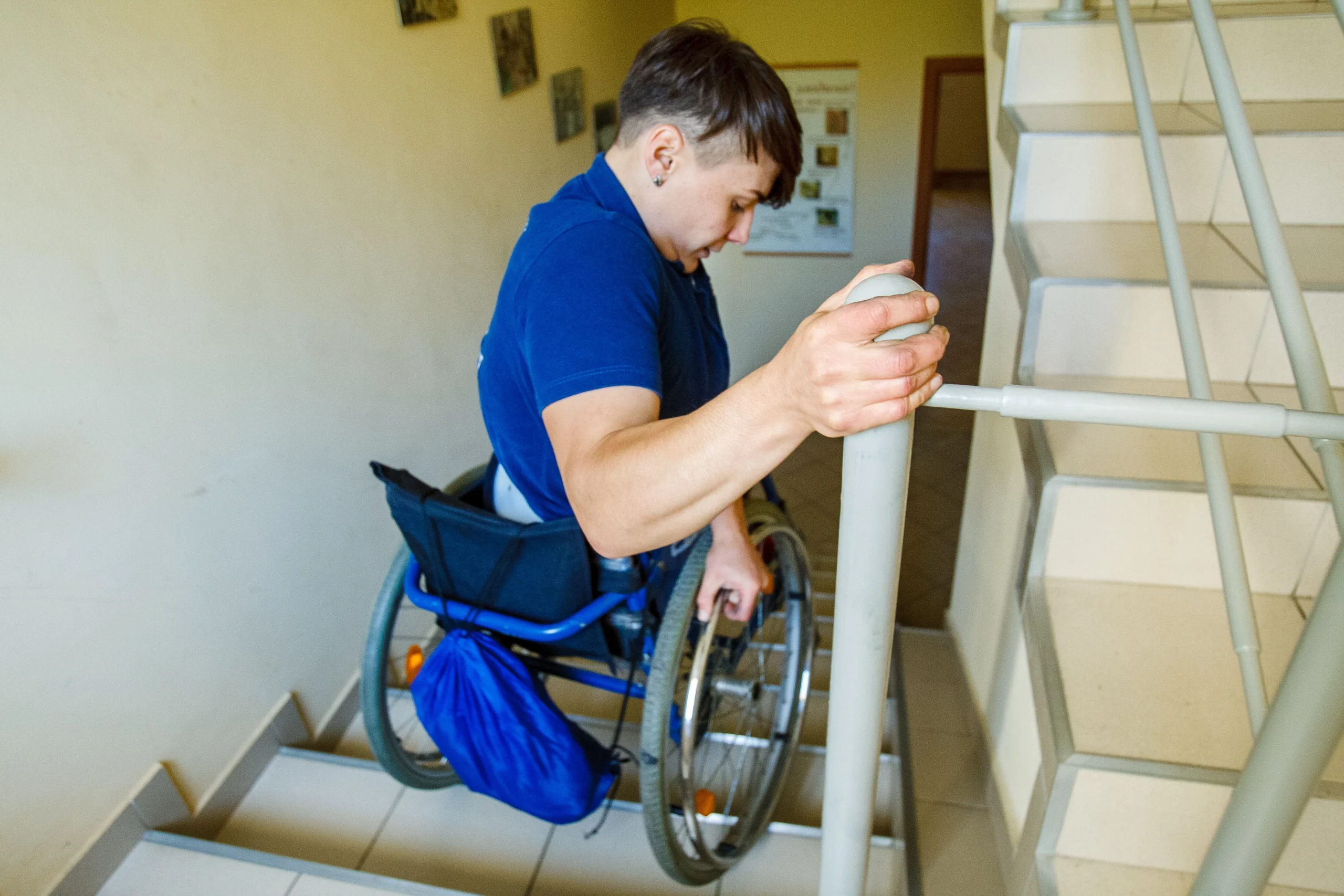
Home modifications are essential for improving safety, accessibility, and independence for people living with disabilities, reduced mobility, or those planning to age in place.

In Australia, particularly under the NDIS Home Modifications framework, these projects often involve bathroom renovations, ramps, handrails, and structural adjustments to support daily living.

However, many projects encounter avoidable issues due to poor planning, lack of professional input, or misunderstanding of compliance requirements.

This guide outlines the most common home modification mistakes in Melbourne and across Victoria, and how to avoid them for safer, more functional outcomes.

home modification mistakes

1. Underestimating the True Cost of Home Modifications

One of the most common mistakes is assuming the builder’s quote reflects the full cost of the project.

In reality, accessibility modifications often include additional expenses such as:

  • Design and technical drawings
  • Occupational therapy assessments
  • Council permits or building approvals
  • Structural adjustments discovered during construction

In Melbourne homes especially older properties in suburbs like Preston, Thornbury, or Sunshine, unexpected issues such as outdated plumbing or uneven flooring are common.

How to avoid this mistake

  • Include a 10–20% contingency budget
  • Get an occupational therapy assessment early
  • Request a detailed scope of works before starting

If you’re unsure how funding is structured, understanding how NDIS home modifications funding works can help you plan more accurately and avoid unexpected financial pressure.

Learn more about how to apply for NDIS home modifications funding!

2. Ignoring Permit and Approval Requirements

Many homeowners assume permits are only required for major renovations. However, even internal accessibility upgrades may require approval depending on the scope of work.

In Victoria, you may need:

  • Building permits (structural safety compliance)
  • Planning permits (council regulations and overlays)

This is especially important in Melbourne suburbs with heritage or zoning restrictions. Common affected modifications include bathroom renovations, ramp installations, structural wall changes, and external access works.

To avoid this mistake, always confirm requirements with a registered builder, your local council, and a qualified allied health or NDIS home modification team. If your funding structure is unclear, it helps to understand NDIS capital supports and what they cover for home modifications, since approvals and funding sit within this category.

Read more about NDIS core vs capital supports for home modifications

3. Choosing the Wrong Builder

Selecting a builder based on price alone is one of the most costly home modification mistakes.

Accessibility work requires specific experience in:

  • Safe mobility design
  • NDIS compliance standards
  • Functional spatial layouts

A general builder may not understand how to design for wheelchair turning space, grab rail placement, or shower access requirements.

What to look for in a builder

Questions to ask:

  • Have you completed NDIS-related renovations before?
  • Do you work with occupational therapists?
  • Can you show accessibility renovation examples?

Understanding what home modifications are commonly supported under the NDIS can also help you choose a builder who understands real functional requirements.

Explore top home modifications supported under the NDIS.

home modification mistakes

4. Skipping Occupational Therapist Input

One of the most critical mistakes is starting a modification without an occupational therapist (OT).

An OT assesses how a person moves, transfers, and performs daily tasks within the home. Without this input, modifications may look good on paper but fail in real-life use.

Why OT input is essential

  • Ensures correct grab rail positioning
  • Improves bathroom and shower safety
  • Confirms wheelchair or walker accessibility
  • Supports NDIS funding approval

If you’re deciding between professionals, it’s also important to understand the difference between disciplines involved in home modifications.

Learn the difference between OT vs physio in home modifications planning

5. Designing for Aesthetics Instead of Function

While modern design is important, accessibility and safety must always come first.

Common design-related mistakes include:

  • Narrow doorways
  • Poor bathroom layout planning
  • Incorrect grab rail placement
  • Insufficient turning space for mobility aids

These issues are expensive to fix once construction is complete. Focus on step-free access, wide circulation spaces, non-slip flooring, and adjustable and future-proof fixtures. Good design should support independence; not just appearance.

6. Overlooking Site and Structural Limitations

Every home has physical constraints that must be assessed before designing modifications.

In Melbourne and surrounding regions, older housing stock often presents challenges such as uneven foundations, limited bathroom space, load-bearing wall restrictions, and drainage issues in wet areas.

Ignoring these factors can lead to redesigns, delays, or unsafe outcomes.

How to avoid this mistake

  • Conduct a full site inspection before design approval
  • Engage both a builder and occupational therapist early
  • Adapt design to the propertyl; not the other way around

7. Failing to Plan for Ongoing Maintenance

Home modifications are not “set and forget” solutions.

Over time, features such as grab rails, ramps, and bathroom fixtures require maintenance to remain safe and functional.

Under the NDIS, ongoing maintenance is generally not funded, so responsibility typically lies with the homeowner or landlord.

What should be maintained:

  • Grab rails and fixtures
  • Waterproofing in bathrooms
  • Ramps and non-slip surfaces
  • Hinges, supports, and mobility fittings

Best practice

  • Keep installation and warranty records
  • Schedule regular safety checks
  • Reassess needs if mobility changes

Learn more about NDIS home modifications eligibility requirements.

How to Avoid Costly Home Modification Errors

Most home modification mistakes can be prevented with early planning and the right professional team.

A successful project typically includes:

  • Occupational therapist
  • Experienced accessibility builder
  • Draftsperson or designer
  • Building surveyor (if required)
  • Allied health coordination team

Working with experienced providers such as a mobile occupational therapy service or mobile physiotherapy service in Melbourne ensures better coordination and safer outcomes.

Frequently Asked Questions

Do home modifications in Melbourne require a permit?

Not always. However, structural changes, plumbing works, and bathroom renovations often require building or planning permits depending on council regulations.

An occupational therapist assesses mobility and daily function to recommend safe and practical home changes that support independence and NDIS requirements.

A buffer of 10–20% is recommended to cover unexpected structural or material costs during construction.

Choose a licensed builder with proven experience in accessibility renovations, NDIS projects, and collaboration with allied health professionals.

Common issues include poor layout design, incorrect grab rail placement, slippery surfaces, and insufficient space for mobility aids.

Ready to Plan Safer Home Modifications?

Home modifications play a critical role in maintaining safety and independence, especially for individuals supported under the NDIS in Melbourne and surrounding regions.

Avoiding common mistakes such as poor planning, lack of OT input, or choosing inexperienced builders can significantly improve long-term outcomes.

If you’re planning home modifications, working with experienced allied health professionals and accessibility specialists ensures your home is safe, functional, and future-ready.

Share the Post:

Recent Posts​

What Happens When Your NDIS Therapy Funding Runs Out?

Running out of support can feel stressful, but there are options available when your NDIS Therapy Funding is exhausted. This guide explains what happens next, including review steps, alternative supports, and how to plan ahead. Click to learn how to stay supported and avoid service gaps.

Read More
Scroll to Top