

NDIS Core vs Capital Supports: Which Covers Home Modifications?

Table of Contents

Understanding how NDIS funding works is essential when planning changes to your home. A common question participants ask is whether home modifications are funded under Core Supports or Capital Supports.

The short answer: NDIS home modifications are funded under Capital Supports, not Core Supports.

This guide explains the difference between funding categories, what home modifications are covered, and how to get approval, especially for participants in Melbourne and across Victoria.

Understanding NDIS Funding Categories

What Are Core Supports?

NDIS core vs capital supports

Core Supports are designed to help with everyday activities and daily living. This funding is flexible, meaning you can use it across different support categories (within your plan guidelines).

Common Core Supports include:

  • Personal care and assistance
  • Transport to appointments or community activities
  • Consumables (e.g., continence products)
  • Support workers for daily tasks

These supports focus on ongoing, day-to-day needs, rather than long-term changes to your home or environment.

What Are Capital Supports?

Capital Supports fund long-term investments that improve independence, safety, and accessibility.

This category is fixed (not flexible) and must be used exactly as approved in your plan.

Capital Supports typically include:

  • Assistive technology (e.g. wheelchairs, mobility aids)
  • Home modifications (e.g. ramps, accessible bathrooms)
  • Specialist Disability Accommodation (SDA)
  • Assessments and reports (e.g. occupational therapy)

Core vs Capital Supports: The Key Difference

  • Core Supports = flexible, daily support
  • Capital Supports = fixed, long-term investments

Because home modifications involve structural changes and require professional assessment, they are funded under Capital Supports.

If you’re unsure whether your situation qualifies, this guide on home modifications explains eligibility criteria in more detail.

Does the NDIS Cover Home Modifications?

Yes. The NDIS can fund home modifications if they are:

  • Directly related to your disability
  • Considered reasonable and necessary
  • Supported by professional evidence

The goal is to improve:

  • Safety
  • Accessibility
  • Independence at home

For a deeper breakdown of the process, see this guide next on how to apply for NDIS home modifications funding.

NDIS core vs capital supports

What Counts as NDIS Home Modifications?

Home modifications are physical changes to your home that make it easier and safer to live independently.

Commonly Funded Modifications

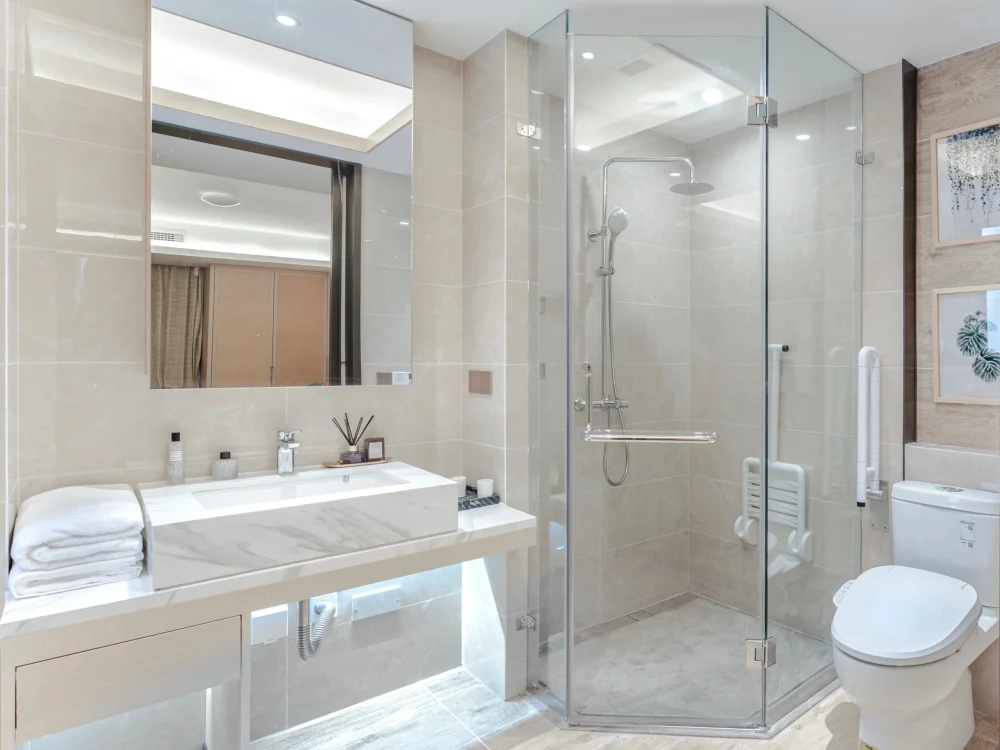
  • Accessible bathroom upgrades (e.g., roll-in showers, grab rails)
  • Ramps and step-free entry points
  • Widened doorways for wheelchair access
  • Handrails in hallways or staircases
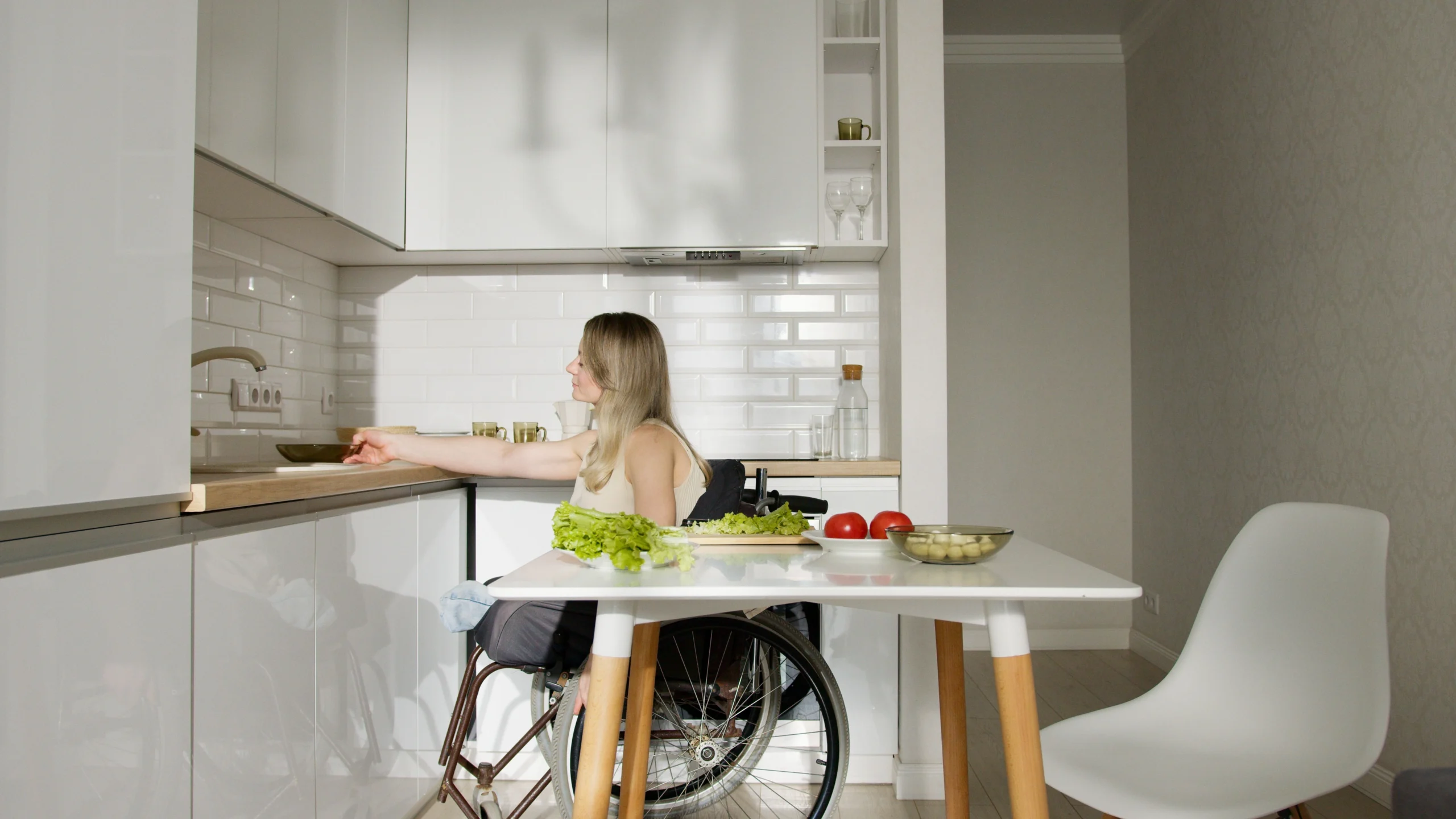
  • Kitchen layout adjustments for accessibility

You can explore more real examples here.

Melbourne-Specific Examples

In Melbourne homes, modification needs often vary depending on property type:

  • Older homes: Bathroom upgrades and step access improvements
  • Suburban houses: Ramp installations for safer entry
  • Apartments: Internal layout and doorway adjustments

Because every home is different, working with a mobile OT service is often the most practical approach. Check out our mobile occupational therapy service in Melbourne.

What Is NOT Covered?

The NDIS does not fund general renovations or cosmetic improvements.

Not covered:

  • New tiles, painting, or aesthetic upgrades
  • General home repairs and maintenance
  • Renovations that increase property value only
  • Changes not related to disability needs

Understanding this helps avoid delays and unsuccessful applications.

How to Get NDIS Approval for Home Modifications

Getting approval requires a structured process with professional support.

Step 1: Occupational Therapy Assessment

An occupational therapist (OT) assesses how your home environment impacts your daily living.

This includes:

  • Mobility and safety risks
  • Barriers within the home
  • Functional needs

If you’re comparing providers or treatment approaches, this guide may help.

NDIS core vs capital supports

Step 2: Quotes and Supporting Documents

You will need:

  • Detailed builder quotes
  • Scope of works
  • Supporting reports from therapists

All documents must clearly explain how the changes improve independence and safety.

Working with a coordinated allied health team can streamline this process.

Step 3: NDIA Review and Approval

The NDIA reviews your application to ensure:

  • The modifications are disability-related
  • Costs are reasonable
  • The changes improve daily functioning

If approved, funding is allocated under Capital Supports.

FAQs

Does the NDIS cover home modifications?

Yes. The NDIS funds home modifications if they are disability-related, reasonable, and necessary.

Home modifications are funded under Capital Supports, as they involve long-term structural changes.

Capital Supports fund long-term investments such as assistive technology, equipment, and home modifications.

Yes. Bathroom modifications are commonly funded if they improve accessibility and safety.

You need:

  1. An occupational therapy assessment
  2. Supporting reports and quotes
  3. NDIA approval

Planning NDIS Home Modifications? Start with the Right Support

Understanding how NDIS funding works is only the first step. The real challenge is making sure your application is supported with the right assessments, documentation, and recommendations so it gets approved without unnecessary delays.

Because home modifications fall under Capital Supports, they require careful planning and professional input, especially when it comes to occupational therapy assessments, builder quotes, and meeting NDIA requirements.

If you’re based in Melbourne, working with a team experienced in NDIS home modifications can make the process significantly smoother and improve your chances of success.

Need Help with NDIS Home Modifications in Melbourne?

If you’re planning home modifications and need guidance:

Taking the right steps early can save time, reduce stress, and help you access the funding you need faster.

Share the Post:

Recent Posts​

How to Apply for NDIS Home Modifications Funding

Applying for support can feel overwhelming, but this guide simplifies how to apply for NDIS home modifications funding step by step. Learn what documents you need, how the process works, and tips to improve your chances of approval. Click to read the full guide and get started today.

Read More

NDIS Physiotherapy for Stroke Recovery

Recovering after a stroke takes time, but the right support can make a real difference. This guide explains how physio for stroke recovery helps improve strength, mobility, and independence. Learn how NDIS-funded physiotherapy supports your goals. Click to explore your recovery options today.

Read More

NDIS Funding for Hydrotherapy in Melbourne

Wondering if you can use NDIS funding for hydrotherapy in Melbourne? This guide explains what’s covered, who may be eligible, and how to access sessions that support mobility and recovery. Get clear answers before your next plan review. Click to learn how to get started today.

Read More
Scroll to Top