

How to Apply for NDIS Home Modifications Funding

Table of Contents

If you’re wondering how to apply for NDIS home modifications funding, the process can feel overwhelming at first. However, once broken down, it becomes a clear step-by-step pathway designed to help you improve safety, accessibility, and independence at home.

NDIS home modifications funding falls under Capital Supports and is intended to fund reasonable and necessary changes that support your disability needs. These modifications can range from simple safety upgrades to major structural changes.

Many participants across Australia, including in cities like Melbourne, Brisbane, and Adelaide and regional areas, use this funding to make their homes safer and more accessible through approved NDIS supports.

This guide explains exactly how to apply for NDIS home modifications funding, what is required, and how to improve your chances of approval.

how to apply for NDIS home modifications funding

What Is NDIS Home Modifications Funding?

NDIS home modifications funding helps eligible participants modify their homes so they can live more independently and safely.

These modifications are usually recommended by an occupational therapist (OT) following a home assessment and are based on functional need rather than diagnosis.

Learn more about how different professionals support this process: OT vs Physio in Home Modifications

The goal of NDIS home modifications is to:

  • Improve home accessibility
  • Reduce injury risk
  • Support independent living
  • Enhance daily functioning

Support may involve professionals such as:

  • Occupational therapists (home assessments and recommendations)
  • Building assessors and licensed builders

Mobile allied health providers, including mobile OT and physiotherapy services where required

Types of NDIS Home Modifications

Understanding the types of modifications helps you prepare your application.

See real examples of commonly approved supports here: Top NDIS Home Modifications Supported

Minor Modifications

Minor modifications are low-risk, relatively simple, and typically lower in cost. They usually do not require complex design or structural changes.

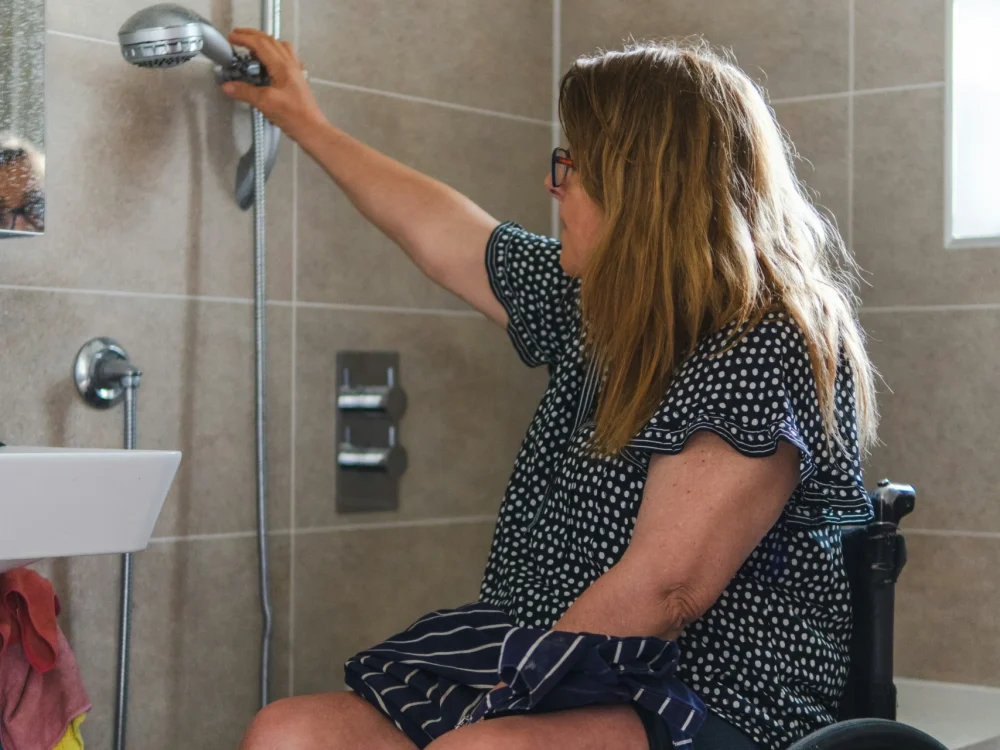
  • Installation of grab rails in bathrooms and hallways
  • Handrails for stairs or entryways
  • Non-slip flooring in high-risk areas
  • Lever-style door handles
  • Small threshold ramps

Key Characteristics:

  • Quick to install
  • Lower approval complexity
  • Minimal structural impact
  • Often fast-tracked compared to complex modifications

Complex Modifications

Complex modifications involve structural changes or higher-cost interventions and require more detailed planning, assessment, and approvals.

  • Bathroom renovations for accessibility
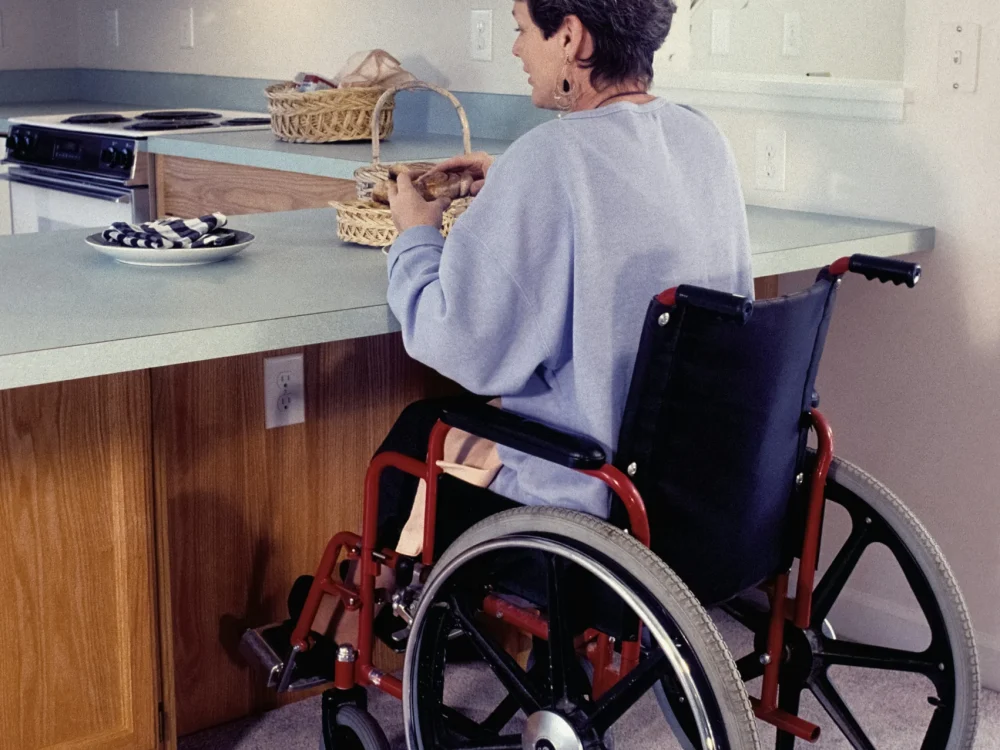
  • Kitchen modifications for wheelchair access
  • Widening doorways
  • Installing ramps or stair lifts

Key Characteristics:

  • Require detailed OT reports and sometimes engineering input
  • Require multiple builder quotes
  • May involve project managers
  • Longer approval timeframes

What NDIS Home Modifications Funding Covers

NDIS generally funds modifications that:

  • Directly relate to your disability needs
  • Improve safety and accessibility
  • Are supported by occupational therapy evidence
  • Represent value for money compared to alternatives

The NDIS evaluates whether the modification is the most cost-effective solution. In some cases, alternative supports (like assistive technology) may be considered instead.

how to apply for NDIS home modifications funding

What NDIS Does NOT Cover

Understanding exclusions can prevent application delays or rejections.

NDIS does not cover:

  • General home repairs (e.g., fixing a leaking roof)
  • Cosmetic upgrades (e.g., modernising a kitchen without functional need)
  • Extensions that add property value without disability justification
  • Landscaping or outdoor aesthetics
  • Upgrades not supported by clinical evidence

Eligibility for NDIS Home Modifications Funding

To successfully apply for NDIS home modifications funding, you must meet the reasonable and necessary criteria under the NDIS Act.

 Full eligibility breakdown here: NDIS Home Modifications Funding Eligibility

Key eligibility requirements:

  • Modifications must relate directly to your disability
  • Must improve independence, safety, or daily function
  • Supported by an occupational therapy assessment
  • Your home must be your primary residence
  • Rental properties require written landlord approval
  • The modification must be cost-effective and appropriate long-term

Professional Support Strengthens Your Application

An application is significantly stronger when supported by:

  • Occupational therapist reports (most important)
  • Functional capacity assessments (FCA)
  • Evidence from mobile allied health services where required

Step-by-Step Guide: How to Apply for NDIS Home Modifications Funding

Step 1: Identify Functional Challenges

Start by clearly identifying barriers in your home:

  • Difficulty accessing the bathroom
  • Risk of falls in certain areas
  • Inability to use kitchen safely
  • Limited wheelchair access

Tip: Keep a short daily log of challenges; this strengthens your case.

Step 2: NDIS Planning or Plan Review Meeting

During your planning meeting:

  • Clearly explain your home-environment challenges
  • Link your needs to NDIS goals (independence, safety)
  • Request funding for assessments if not already included
how to apply for NDIS home modifications funding

Step 3: Occupational Therapist (OT) Assessment

This phase is the most critical step.

The OT will:

  • Conduct a home visit
  • Assess mobility, safety, and functional limitations
  • Recommend specific modifications
  • Provide a detailed report with clinical justification

What Makes a Strong OT Report?

  • Clear link between disability and environmental barriers
  • Justification for each recommended modification
  • Evidence that alternatives were considered

Step 4: Obtain Builder Quotes (For Complex Modifications)

For larger projects:

  • Obtain at least 2 detailed quotes
  • Ensure builders understand NDIS requirements
  • Include itemised costs and timelines

Step 5: Submit Supporting Documentation

Your application should include:

  • OT report
  • Quotes
  • Supporting medical or functional evidence
  • Landlord approval (if applicable)
  • Plans or drawings for complex works

Step 6: NDIA Review Process

The NDIA assesses:

  • Whether the request is reasonable and necessary
  • Clinical evidence strength
  • Cost vs benefit
  • Risk and safety considerations

Typical Timeframes:

  • Minor modifications: Faster approvals
  • Complex modifications: Can take several weeks to months

Step 7: Approval and Implementation

Once approved:

  • Engage qualified builders
  • Follow approved scope of work
  • Ensure compliance with building regulations

Common Mistakes to Avoid

Avoid these common issues that lead to delays or rejections:

  • Weak or vague OT reports
  • Missing documentation
  • Quotes lacking detail
  • Requesting modifications not clearly linked to disability
  • Choosing inexperienced providers
  • Submitting incomplete applications

Tips to Improve Approval Chances

  • Work with experienced NDIS occupational therapists
  • Ensure strong clinical justification
  • Provide detailed, itemised quotes
  • Clearly link modifications to safety and independence
  • Demonstrate long-term value

Frequently Asked Questions

How do I apply for NDIS funding for home modifications?

To apply, you must identify your home-related challenges, attend a planning meeting, and undergo an occupational therapist home assessment. The OT provides a report recommending modifications. Supporting documents and builder quotes are then submitted to the NDIA for review under the reasonable and necessary criteria.

You must be an NDIS participant and show that the modifications are directly related to your disability. They must improve safety, independence, or daily functioning and be supported by occupational therapy evidence.

Yes, but you must obtain written landlord approval before any work begins. The NDIA will also assess whether the modifications are suitable and provide long-term value.

There is no fixed amount. Funding depends on your individual needs, the complexity of modifications, and whether they meet reasonable and necessary criteria.

Minor modifications are simple and low-cost (e.g., grab rails). Complex modifications involve structural changes (e.g., bathroom renovations or ramps) and require detailed assessments and multiple quotes.

Yes. If you live in a rental property, your landlord must provide written consent before any NDIS-funded home modifications can begin. Without approval, the NDIA is unlikely to proceed with funding, even if the modifications are otherwise eligible.

Timeframes vary depending on complexity and documentation quality. Minor modifications are generally faster, while complex modifications may take several weeks or longer.

Local Support (If You Need Help)

If you’re looking for support with your NDIS home modifications application, we provide services across multiple locations:

These local services can help with occupational therapy assessments and home modification planning.

Get the Right Support for Your NDIS Home Modifications Application

If you’re planning to apply for NDIS home modifications funding, professional support can make the process smoother and improve your chances of approval.

Working with experienced occupational therapists and allied health professionals ensures your application is evidence-based, compliant, and aligned with NDIS requirements.

Need help with your NDIS home modifications assessment or application?

Contact your local allied health provider to get started with an OT home assessment today.

Share the Post:

Recent Posts​

NDIS Physiotherapy for Stroke Recovery

Recovering after a stroke takes time, but the right support can make a real difference. This guide explains how physio for stroke recovery helps improve strength, mobility, and independence. Learn how NDIS-funded physiotherapy supports your goals. Click to explore your recovery options today.

Read More

NDIS Funding for Hydrotherapy in Melbourne

Wondering if you can use NDIS funding for hydrotherapy in Melbourne? This guide explains what’s covered, who may be eligible, and how to access sessions that support mobility and recovery. Get clear answers before your next plan review. Click to learn how to get started today.

Read More
Scroll to Top