

NDIS Physiotherapy for Stroke Recovery

Table of Contents

Recovering from a stroke can significantly impact mobility, strength, balance, coordination, and independence. NDIS physiotherapy for stroke recovery provides structured, goal-based rehabilitation to help individuals regain function and improve quality of life.

With access to NDIS physiotherapy services in Melbourne, individuals can receive tailored care through both clinic-based rehabilitation and mobile physiotherapy in Melbourne, making recovery more accessible and consistent.

physio for stroke recovery

What Is NDIS Physiotherapy for Stroke Recovery?

NDIS physiotherapy for stroke recovery is a form of neurological physiotherapy designed to support brain and motor function recovery after a stroke. It focuses on improving motor control, neuroplasticity, strength, and functional independence.

Learn more about how services are accessed here: How to access NDIS physiotherapy services

It is commonly used for individuals who have ongoing functional impairments and require long-term rehabilitation support under the NDIS.

Can You Get Physiotherapy for Stroke Recovery Through NDIS?

Yes, NDIS may fund physiotherapy if a stroke results in a permanent and significant disability affecting daily function.

To understand eligibility in more detail, see “Who qualifies for NDIS physiotherapy?

You may also be eligible under:

  • Capacity Building – Improved Daily Living
  • Therapy supports for functional recovery

For more detail on funding models: NDIS physiotherapy services self-managed vs plan-managed

Benefits of NDIS Physiotherapy After a Stroke

Stroke rehabilitation is most effective when it is structured, repetitive, and goal-oriented.

Key benefits include the following:

  • Improved mobility and gait through gait training
  • Increased muscle strength and motor control
  • Better balance and reduced fall risk
  • Improved independence in activities of daily living (ADLs)
  • Enhanced functional outcomes and coordination
  • Reduced complications such as stiffness and deconditioning
  • Long-term progress tracking and rehabilitation planning

You can also explore conditions supported here: What conditions NDIS physiotherapy in Melbourne can support

For neurological conditions, see also NDIS physio for Parkinson’s disease Melbourne

Why Choose Home-Based (Mobile) Physiotherapy?

For many stroke survivors, travelling to a clinic may be difficult. That’s why mobile physiotherapy in Melbourne is often the preferred option.

Benefits include:

  • Therapy in a familiar home environment
  • Exercises tailored to your daily routines
  • Reduced transport barriers and fatigue
  • Improved safety for mobility limitations
  • Better long-term adherence to rehabilitation
physio for stroke recovery

Common Physiotherapy Exercises for Stroke Recovery

Stroke rehabilitation focuses on repetitive task-based training to support neuroplasticity and motor recovery.

Common exercises include:

  • Ankle dorsiflexion for walking improvement
  • Gait training for coordination and balance
  • Leg strengthening exercises
  • Seated marching for core stability
  • Toe raises for ankle control
  • Upper limb rehabilitation for arm and hand function

Your physiotherapist always tailors these exercises based on your recovery stage.

How NDIS Supports Ongoing Stroke Rehabilitation

Stroke recovery is often a long-term rehabilitation journey, requiring consistent physiotherapy, ongoing monitoring, and regular updates to therapy goals. The NDIS helps support this process by funding structured, goal-based physiotherapy services that focus on improving mobility, strength, balance, and independence over time.

NDIS funding can support ongoing stroke rehabilitation through:

  • Regular physiotherapy sessions to maintain progress and improve functional movement
  • Functional capacity assessments (FCA) to measure ability and guide therapy planning
  • Multidisciplinary collaboration between physiotherapists, occupational therapists, and support coordinators
  • Ongoing review and adjustment of therapy goals as recovery, strength, and independence improve

This flexible approach ensures that rehabilitation remains person-centred, evidence-based, and aligned with long-term functional outcomes.

To better understand how funding and service delivery works, you can read: NDIS physiotherapy services self-managed vs plan-managed

NDIS Physiotherapy Services Across Melbourne

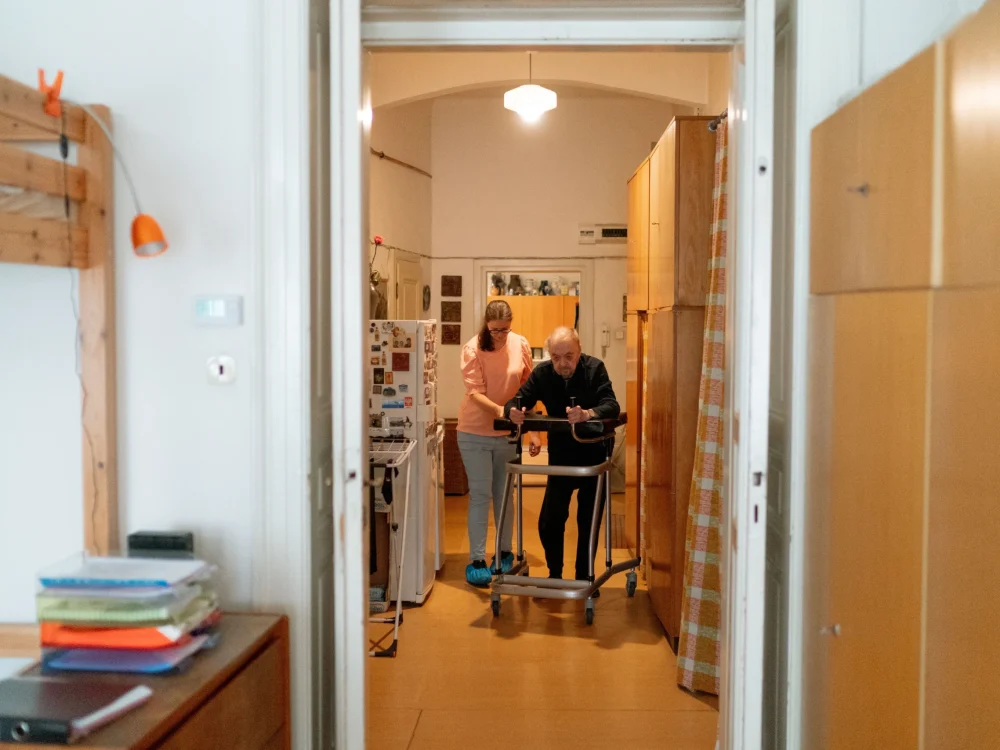
We provide NDIS physiotherapy for stroke recovery across Melbourne, including mobile and home-based support.

Service areas include:

These local services ensure accessible NDIS physiotherapy in Melbourne wherever you are based.

Choosing the Right NDIS Physiotherapist in Melbourne

Selecting the right physiotherapist is a key step in achieving meaningful and long-term recovery outcomes after a stroke. At Roaming Therapy, we provide NDIS physiotherapy in Melbourne with a strong focus on functional independence, mobility improvement, and real-world rehabilitation in your home environment.

Our approach is centred on delivering mobile physiotherapy services across Melbourne, so you can receive high-quality care without the stress of travelling to a clinic. This makes therapy more consistent, practical, and tailored to your daily environment.

physio for stroke recovery

Why choose Roaming Therapy for stroke rehabilitation?

When selecting an NDIS physiotherapist, here’s what matters and how Roaming Therapy supports each area:

  • Specialised neurological physiotherapy experience. Our team focuses on stroke recovery and neurological rehabilitation, supporting improvements in motor control, gait, balance, and coordination.
  • Mobile physiotherapy across Melbourne. We bring NDIS physiotherapy directly to your home, ensuring therapy is accessible, comfortable, and relevant to your everyday environment.
  • Strong understanding of NDIS funding and reporting. We work within NDIS guidelines and support participants under Capacity Building – Improved Daily Living, helping ensure services are aligned with your plan goals.
  • Goal-based rehabilitation programs. Every treatment plan is designed around your personal goals, whether that’s walking independently, improving upper limb function, or increasing overall strength and confidence.
  • Focus on functional independence and measurable outcomes. Our physiotherapy prioritises real-world improvements in activities of daily living (ADLs) such as transfers, mobility, and self-care tasks, so progress is meaningful and trackable.

At Roaming Therapy, our goal is to provide exercise-based recovery and help you regain confidence, independence, and participation in everyday life through structured, evidence-based NDIS stroke rehabilitation physiotherapy.

Frequently Asked Questions

Does stroke count as a permanent disability for NDIS support?

Yes. A stroke can be considered a permanent disability for NDIS support if it results in long-term impairments that affect daily living, such as mobility, speech, cognition, or self-care. The NDIS assesses the functional impact of the stroke, not just the medical diagnosis.

You may be eligible for NDIS physiotherapy after a stroke if your condition causes a permanent and significant functional impairment. Eligibility generally depends on your ability to perform daily activities and whether you require ongoing support to maintain independence.

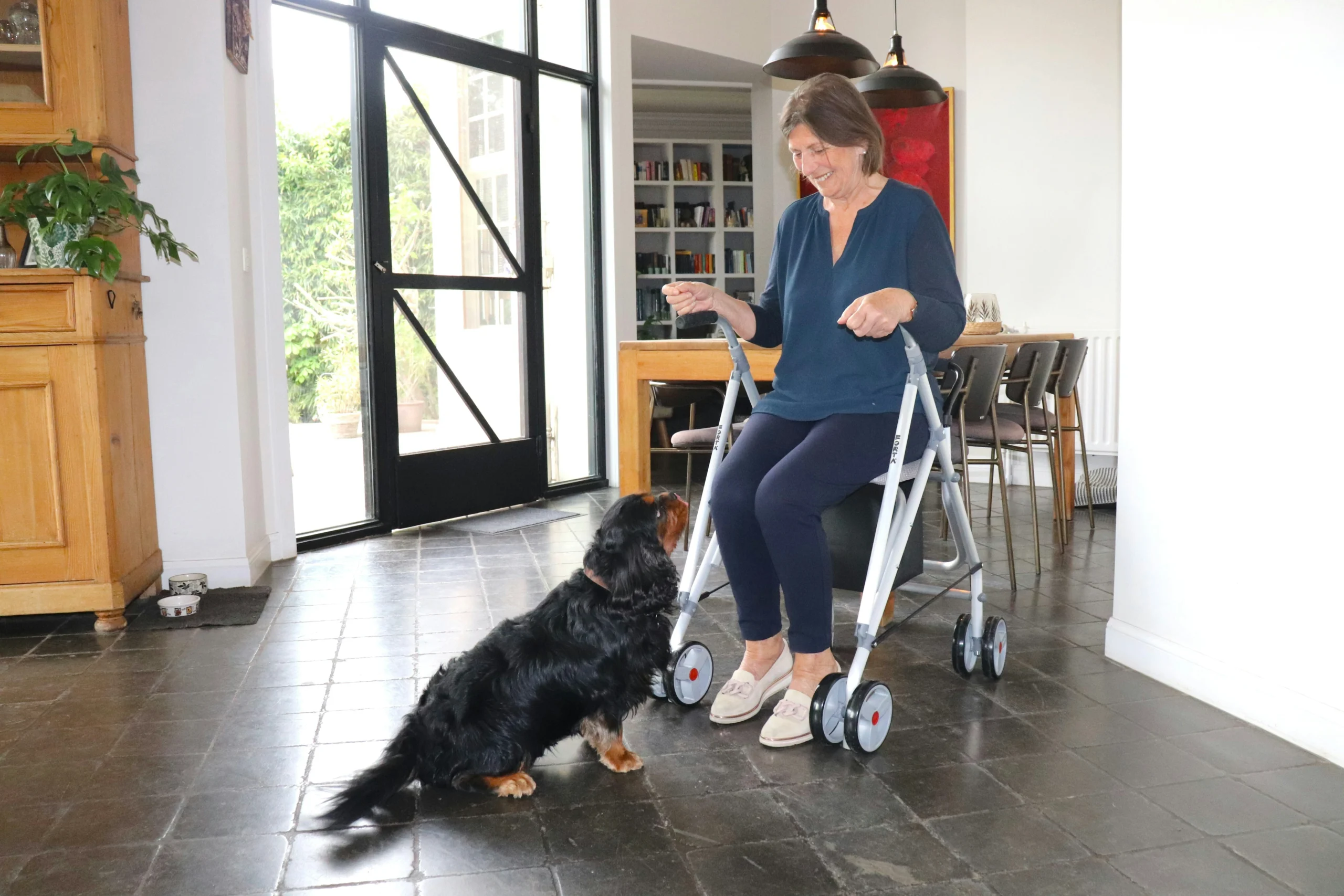
Yes. The NDIS may fund assistive technology and mobility aids such as walkers, wheelchairs, and transfer equipment if they are considered reasonable and necessary to support your functional needs and independence.

The best physiotherapy for stroke recovery is neurological physiotherapy, which focuses on motor recovery, gait training, balance retraining, and functional movement practice. Treatment is tailored to your individual goals and recovery stage.

Physiotherapy should ideally begin as soon as it is medically safe after a stroke. Early rehabilitation helps support neuroplasticity, movement recovery, and prevention of complications such as stiffness and muscle weakness.

You can find an NDIS physiotherapist for stroke recovery by looking for providers who offer neurological rehabilitation and mobile physiotherapy services in Melbourne. Choosing a provider experienced in stroke recovery ensures more targeted and effective treatment.

In your first session, the physiotherapist will complete a functional assessment, review your mobility, strength, balance, and daily challenges, and discuss your goals. A personalised stroke rehabilitation plan will be developed based on your needs.

To access support, you may need medical evidence such as:

  • Stroke diagnosis and medical history
  • Reports showing functional impairment
  • Assessments from healthcare professionals (e.g., physiotherapist or occupational therapist)
  • Documentation outlining long-term support needs

Start Your Stroke Recovery with NDIS Physiotherapy

Early and consistent intervention can significantly improve recovery outcomes after a stroke.

With NDIS physiotherapy in Melbourne, you can access:

  • Personalised rehabilitation programs
  • Mobile physiotherapy services
  • Long-term functional support

Book Your NDIS Physiotherapy Assessment

Roaming Therapy
📞 0466 096 020
📧 info@roamingtherapy.com.au

Enquire today to check availability for NDIS physiotherapy in Melbourne or mobile physio support in your suburb.

Share the Post:

Recent Posts​

How to Apply for NDIS Home Modifications Funding

Applying for support can feel overwhelming, but this guide simplifies how to apply for NDIS home modifications funding step by step. Learn what documents you need, how the process works, and tips to improve your chances of approval. Click to read the full guide and get started today.

Read More

NDIS Funding for Hydrotherapy in Melbourne

Wondering if you can use NDIS funding for hydrotherapy in Melbourne? This guide explains what’s covered, who may be eligible, and how to access sessions that support mobility and recovery. Get clear answers before your next plan review. Click to learn how to get started today.

Read More
Scroll to Top