

NDIS Home Modifications: Funding, Eligibility & Ideas

Table of Contents

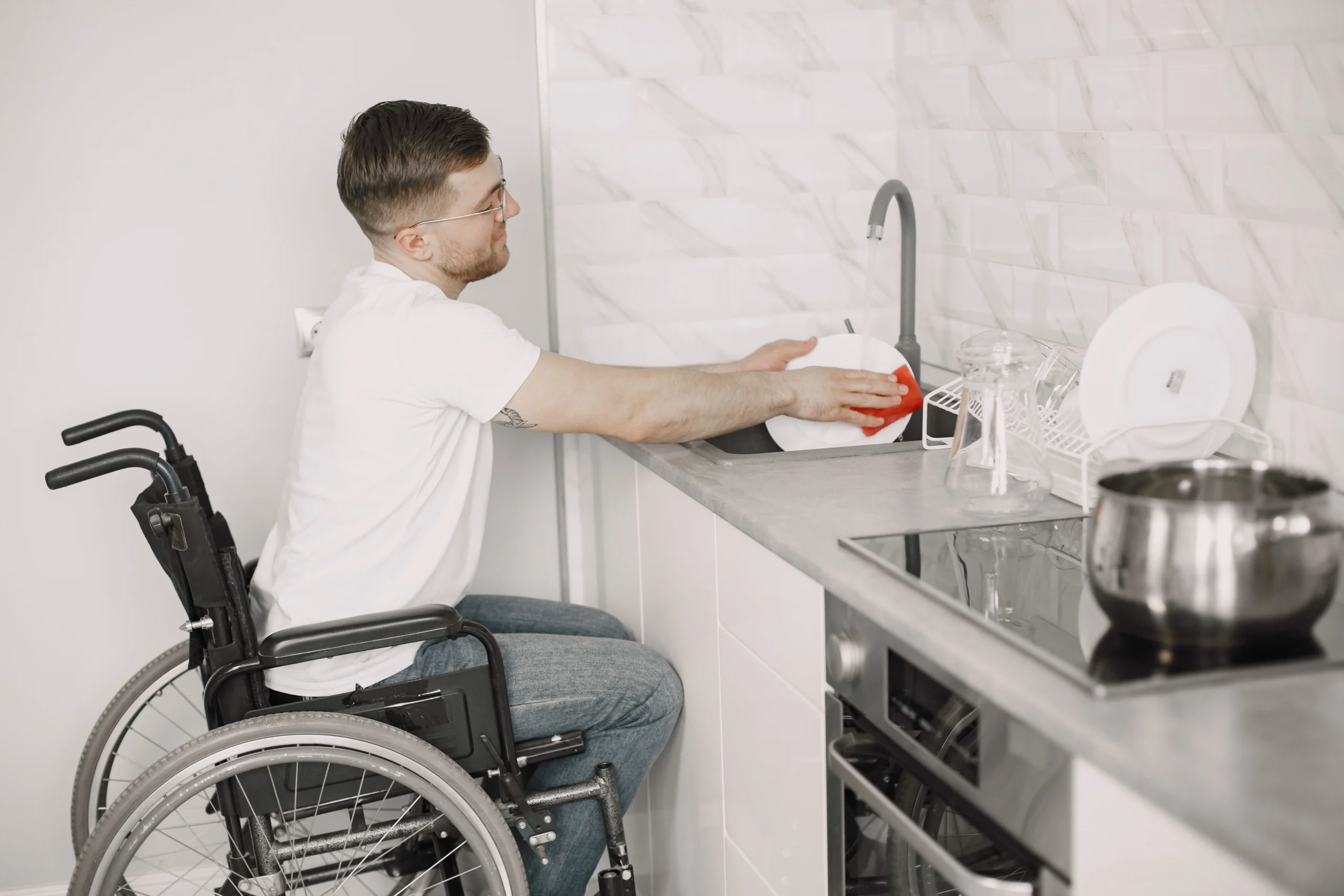
NDIS Home Modifications help people with disabilities make their homes safer, more accessible, and easier to navigate. These modifications can range from simple changes such as grab rails and handrails to larger structural renovations like accessible bathrooms, ramps, or widened doorways.

For many participants, home modifications are essential for maintaining independence and improving daily living. However, understanding how funding works, who is eligible, and what types of modifications can be approved can sometimes feel confusing.

This guide explains everything you need to know about NDIS Home Modifications, including funding, eligibility requirements, the application process, and popular modification ideas. You will also learn how occupational therapists and allied health professionals support participants through the process.

NDIS Home Modifications

What Are NDIS Home Modifications?

NDIS Home Modifications are structural changes made to a participant’s home to improve accessibility, safety, and independence.

These changes allow individuals with mobility limitations or disabilities to safely access and use their living spaces.

Common examples include:

  • Wheelchair ramps
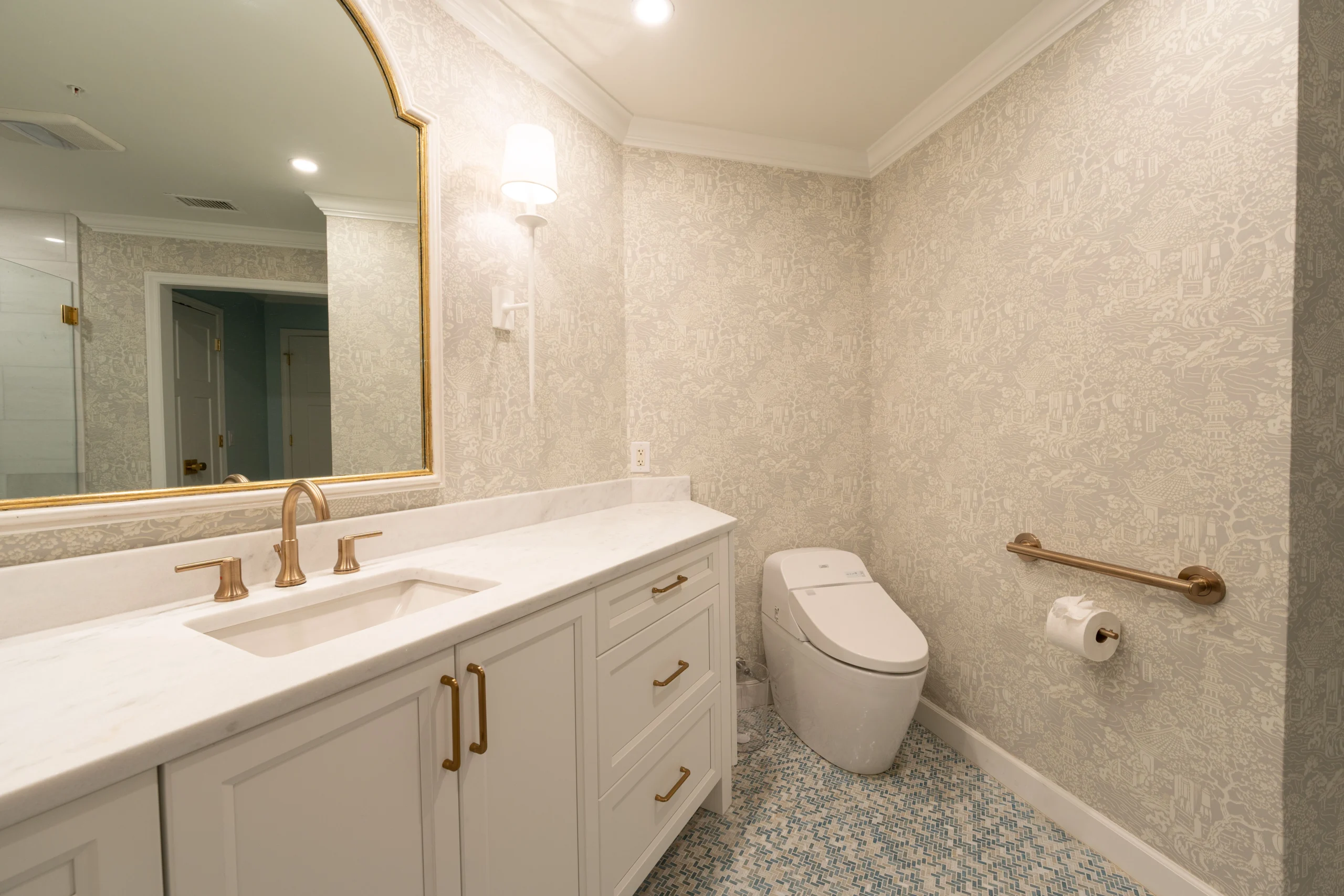
  • Grab rails and handrails
  • Accessible bathrooms
  • Widened doorways
  • Non-slip flooring
  • Smart home assistive technology

Home modifications funded through the NDIS must be considered reasonable and necessary and must directly support a participant’s disability-related needs.

The funding is provided through the Capital Supports – Home Modifications category within an NDIS plan, administered by the National Disability Insurance Agency`.

Understanding NDIS Home Modifications Funding

NDIS Home Modifications funding helps participants make their homes safer and more accessible. The level of funding depends on several factors, including the participant’s disability, the complexity of the modification, and whether the property can accommodate the required changes.

Funding may cover:

  • Structural modifications
  • Building materials
  • Assistive technology
  • Labour and installation costs
  • Professional assessments

To ensure modifications meet funding requirements, an occupational therapist usually assesses the participant’s needs and recommends suitable changes.

Tips to maximise NDIS Home Modification funding

Participants can improve their chances of approval by:

  • Obtaining multiple quotes from experienced NDIS builders or providers
  • Ensuring modifications are recommended by an occupational therapist
  • Prioritising changes that improve safety and independence
  • Keeping documentation organised for plan reviews or approvals

Many participants also benefit from understanding the latest NDIS price guidelines to plan their therapy sessions and budget modifications accordingly. You can review the NDIS Price Guidelines 2026 for practical tips.

Careful planning and professional guidance help participants create safe, functional homes while making the most of their NDIS funding.

Minor vs Major NDIS Home Modifications

NDIS home modifications are generally classified as minor or major changes depending on the complexity and cost of the work.

Minor Home Modifications

Minor modifications are low-cost changes that improve safety and accessibility without major structural alterations.

Examples include:

  • Handrails or grab bars
  • Small ramps
  • Lever taps
  • Non-slip flooring
  • Step wedges

These modifications are typically quicker to approve and install.

NDIS Home Modifications

Major Home Modifications

Major modifications involve more significant structural changes to the property.

Examples include:

  • Accessible bathroom renovations
  • Widened doorways or hallways
  • Permanent wheelchair ramps
  • Platform lifts
  • Structural layout changes

Major modifications usually require detailed occupational therapy reports, building assessments, and approval from the NDIA.

If mobility is a concern, combining mobile physiotherapy with home modifications can improve functional outcomes and reduce risks at home. Check out our mobile physiotherapy services in Melbourne to learn more.

Eligibility Criteria for NDIS Home Modifications

Participants must meet specific criteria before home modifications can be funded through their NDIS plan.

1. Confirm Participant Requirements

Participants must:

  • Have an approved NDIS plan
  • Demonstrate that the modification supports disability-related needs
  • Show that the change improves safety or independence

2. Schedule an Occupational Therapist Assessment

An occupational therapist assessment is usually required to support the application.

The assessment will:

  • Evaluate mobility challenges in the home
  • Recommend suitable modifications
  • Provide a formal report to support funding approval

You can arrange an in-home occupational therapy assessment in Melbourne to get personalised recommendations. Learn more about our mobile occupational therapy services.

3. Confirm Property Suitability

The home must be suitable for modifications.

Important factors include:

  • Property structure
  • Available space
  • Building safety requirements

Participants renting a property must obtain written landlord consent before structural modifications can proceed.

How to Apply for NDIS Home Modifications

Applying for home modifications becomes much easier when participants follow the correct process.

Step 1: Obtain Professional Assessments

An occupational therapist will assess the participant’s home and recommend appropriate modifications.

The report should explain:

  • How the participant’s disability affects daily living
  • Why the modifications are necessary
  • How they improve accessibility and independence
NDIS Home Modifications

Step 2: Obtain Quotes from Registered Providers

Participants must obtain detailed quotes from experienced NDIS providers or builders.

Quotes should include:

  • Materials
  • Labour
  • Installation costs
  • Estimated project timeline

Step 3: Include the Modifications in the NDIS Plan

The occupational therapy report and quotes must be submitted to support the funding request.

Participants may work with a support coordinator or plan manager to ensure documentation is complete.

Step 4: Wait for NDIA Approval

The NDIA reviews the request to confirm that the modifications are reasonable and necessary before approving funding.

Participants should wait for approval before starting any construction work.

Staying updated on the NDIS 2026 price guide helps participants plan funding and understand potential costs for modifications and therapy sessions. See our guide on key changes in the NDIS 2026 price guide.

How Long Do NDIS Home Modifications Take to Approve?

Approval timelines depend on the complexity of the modification

Type of Modification

Typical Approval Time

Minor modifications

2–6 weeks

Major modifications

3–6 months

Approval times may vary depending on:

  • The quality of the occupational therapist report
  • The number of quotes submitted
  • The complexity of structural work required

Proper documentation can help reduce delays during the approval process.

Popular Home Modification Ideas

NDIS Home Modifications can significantly improve safety and independence. Some of the most common modifications include:

1. Ramps and Handrails

Ramps and handrails improve accessibility for people with mobility challenges.

They are commonly used to:

  • Provide wheelchair access
  • Reduce fall risks
  • Improve mobility around entrances and stairways

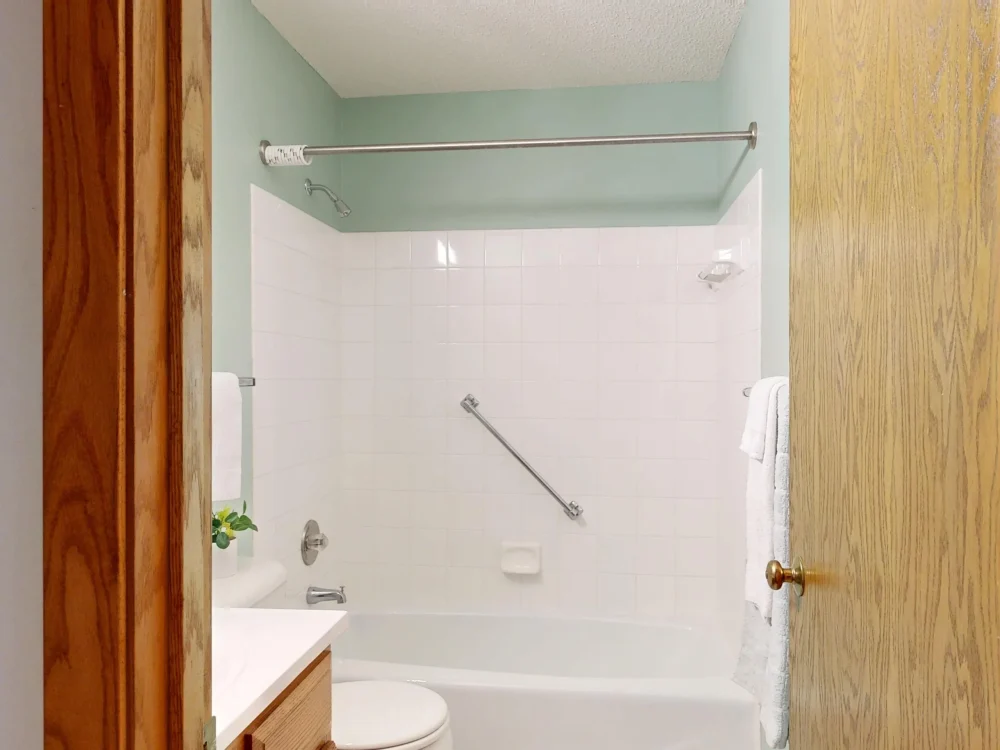
2. Accessible Bathroom Upgrades

Bathroom modifications can include:

  • Accessible showers
  • Grab rails
  • Shower seating
  • Non-slip flooring

These changes help participants perform personal care tasks safely and independently.

NDIS Home Modifications

3. Widened Doorways and Hallways

Widened doorways make it easier for wheelchair users or mobility aid users to move through the home.

These modifications may require structural work depending on the property layout.

4. Smart Home Assistive Technology

Smart home technology can increase independence by automating common household tasks.

Examples include:

  • Automatic doors
  • Remote-controlled lighting
  • Voice-activated devices
  • Accessible switches

An occupational therapist can recommend the most suitable technology based on the participant’s needs.

Participants may also be eligible for NDIS transport funding if modifications or therapies require travel support. Learn more about who qualifies for NDIS transport funding.

NDIS Home Modifications in Melbourne

Many NDIS participants across Melbourne require home modifications to improve accessibility and independence.

Suburbs where modifications are commonly requested include:

  • Epping
  • Broadmeadows
  • Craigieburn
  • Frankston
  • Sunshine

Local occupational therapists and NDIS providers can assess homes and recommend appropriate modifications.

Working with experienced professionals ensures modifications meet both NDIS funding requirements and building safety standards.

Frequently Asked Questions

Can NDIS pay for bathroom renovations?

Yes. Accessible bathroom upgrades such as grab rails, roll-in showers, and non-slip flooring may be funded if they improve safety and independence.

Yes. However, written approval from the landlord is required before structural modifications can be made.

In most cases, yes. An occupational therapist assessment is required to justify the need for the modification and support funding approval.

Commonly funded modifications include:

  • Wheelchair ramps
  • Grab rails and handrails
  • Accessible bathrooms
  • Widened doorways
  • Assistive technology

Creating a Safer and More Accessible Home with NDIS Home Modifications

NDIS Home Modifications play an important role in making homes safer, more accessible, and supportive of daily living. From simple additions like grab rails to major renovations such as accessible bathrooms or structural ramps, these modifications can significantly improve independence and quality of life.

Understanding how funding works, meeting eligibility requirements, and working with qualified professionals can make the approval process much smoother.

By planning ahead, gathering the right documentation, and seeking professional guidance, NDIS participants can create safe and accessible homes that support long-term independence.

Share the Post:

Recent Posts​

NDIS Physio for Parkinson’s Disease in Melbourne

Managing Parkinson’s can feel overwhelming, but the right support makes a difference. This guide explains how physio for Parkinson’s disease helps improve mobility, balance, and daily function. Learn how NDIS-funded physiotherapy in Melbourne can support your goals. Click to explore your options today.

Read More

Top Home Modifications Supported by the NDIS

Making the right Home Modifications can greatly improve safety, comfort, and independence for NDIS participants. From bathroom upgrades to accessibility changes, this guide highlights the most common supports available. Want to see which modifications may suit your needs? Click to explore the full list and get started today.

Read More
Scroll to Top