


NDIS Overhaul 2026: Key Changes, Cuts & What Happens Next
Big changes are coming to the NDIS in 2026. From new eligibility rules to funding reforms, here’s what the overhaul means and what happens next.
The National Disability Insurance Scheme (NDIS) helps Australians with disabilities live more independently and confidently. One key area of support is assistance with self-care activities NDIS, which focuses on helping participants manage essential daily tasks such as bathing, grooming, dressing, toileting, meal support, and medication reminders.
These supports are designed not just to help with day-to-day tasks, but to promote independence, dignity, and confidence in daily life. NDIS participants can develop skills to complete activities safely and maintain control over their routines.
Funding for these services usually comes from the NDIS core supports budget, specifically under Assistance with Daily Life, while some skill-building activities fall under NDIS Improved Daily Living.
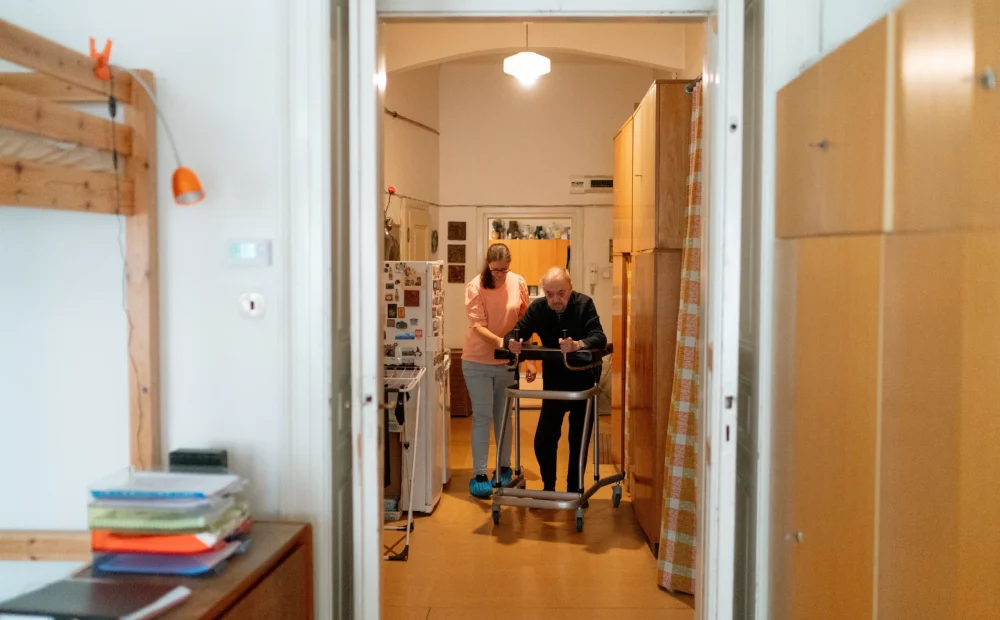
NDIS participants can access personalised support to manage essential daily tasks safely and confidently. These services promote personal hygiene, comfort, wellbeing, and independence, and are delivered in flexible ways depending on the participant’s needs and living situation.
Support workers provide assistance with daily personal activities, including:
Personal care support is designed to balance assistance with opportunities to develop independence, where participants can practice tasks safely with guidance. For more details on funding, see Understanding the NDIS: Funding, Eligibility & Support Categories.
Many participants require support to move safely around their home or community, maintain physical activity, and prevent injuries. This includes:
By providing both practical assistance and skill-building opportunities, NDIS mobility supports help participants maintain independence and reduce reliance on support over time. Learn more about mobile physiotherapy in Melbourne and mobile occupational therapy in Melbourne to support daily living.
Assistance with household tasks ensures participants can live in a safe, organised, and functional environment. Supports are customised to each participant’s abilities and daily routine. Examples include:
These supports are designed not only to complete tasks but also to teach participants strategies and skills to gradually manage tasks independently where possible. For guidance on funding changes, check Breaking Down the Latest Changes to NDIS Funding.
To align with NDIS guidelines, it’s important to note that certain costs are not covered, even if related to daily life:
Supports must always be reasonable and necessary and directly related to the participant’s functional limitations. For pricing details, see the NDIS Price Guidelines 2025.
Both budgets are personalised to each participant’s goals, preferences, and functional abilities. Learn more about NDIS 2025 Price Guide: Key Changes for up-to-date information.
Accessing NDIS-funded support for self-care activities involves a structured process to ensure participants receive the right level of assistance for their individual needs. Here’s how you can navigate it effectively:
The NDIS planning meeting is your opportunity to outline the support you require for daily living. You should:
Being thorough at this stage helps ensure your plan includes sufficient funding under NDIS Core Supports (Assistance with Daily Life) and, if appropriate, NDIS Improved Daily Living Skills for skill-building and independence.
Once your NDIS plan is approved, a support coordinator or plan manager can help you connect with NDIS service providers who offer self-care assistance. They can:
This guidance ensures you access high-quality, person-centred NDIS home care services that align with your goals and lifestyle. For coverage of travel costs, see Are Travel Costs Part of NDIS Core Supports?.
Your needs may change over time due to improvements in independence, health changes, or new goals. To keep your supports relevant:
A flexible approach helps you maintain independence and wellbeing while ensuring that funding is used effectively.
Clear, ongoing communication with your support providers is essential. This ensures that:
Good communication fosters a trusting relationship between you and your providers, which is key to achieving positive outcomes in self-care, independence, and overall quality of life.
Self-care activities are daily tasks that help a person maintain personal hygiene, health, and wellbeing. Under the NDIS, this includes:
These activities are sometimes referred to as Activities of Daily Living (ADLs).
Examples include:
To receive funding for self-care support, a participant must:
Eligibility is determined by whether the participant:
Supports are personalised based on individual goals, disability type, age, and living situation.
Yes. The NDIS can fund assistance with meal preparation when a participant is unable to prepare meals independently due to their disability. This may include support with planning, preparing, or cooking meals. The NDIS may also fund feeding assistance, such as help with eating or drinking, when it is required to maintain adequate nutrition and daily functioning.
However, it’s important to note that:
This ensures compliance with current NDIS pricing and billing requirements.
The NDIS may fund assistance with household chores and domestic tasks when these supports are directly linked to a person’s disability and help them live safely and independently at home. This can include light cleaning, laundry, meal preparation, and general household organisation, provided the support meets the NDIS “reasonable and necessary” criteria.
Tasks that a participant can complete independently, or chores that are not related to disability needs, are generally not funded.
Yes, children with a disability who require assistance with daily living tasks can access funding under their NDIS plan. This may include toilet training, feeding support, and assistance with dressing, bathing, and mobility.
Yes! Through NDIS Improved Daily Living Skills, participants can receive skill-building support to gradually take on tasks themselves, such as:
At Roaming Therapy, our mission is to support your independence, mobility, and wellbeing through personalised, in‑home allied health services, designed to fit with your NDIS plan and lifestyle.
Whether you need help with mobility, daily living adjustments, or therapeutic supports, our mobile allied health team brings professional care directly to your home. That means you can:
If you’re looking for physiotherapy, occupational therapy, speech pathology, exercise physiology or other allied health supports, Roaming Therapy tailors its services to your specific needs and NDIS goals, helping you live with greater independence, confidence, and wellbeing.
Big changes are coming to the NDIS in 2026. From new eligibility rules to funding reforms, here’s what the overhaul means and what happens next.
Choosing between an Occupational Therapist vs Physiotherapist for home modifications can be confusing. Each plays a different role in improving safety, mobility, and daily function at home. This guide explains who does what so you can make the right choice. Click to learn which expert you need.
Managing Parkinson’s can feel overwhelming, but the right support makes a difference. This guide explains how physio for Parkinson’s disease helps improve mobility, balance, and daily function. Learn how NDIS-funded physiotherapy in Melbourne can support your goals. Click to explore your options today.