
How Hydrotherapy in Adelaide Helps with Arthritis

Table of Contents

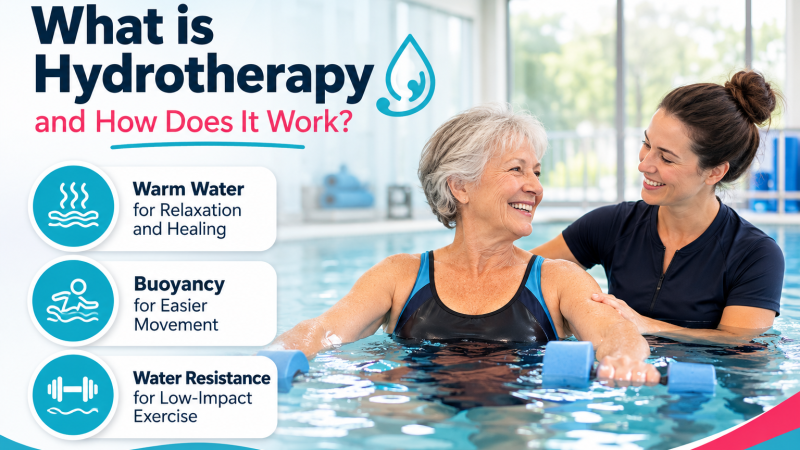
Hydrotherapy for arthritis is a gentle, effective way to ease joint pain, stiffness, and swelling. Using warm water to support the body, it allows people to move freely while buoyancy reduces pressure on painful joints. The soothing heat helps relax tight muscles, making movement smoother and exercise more comfortable.

In guided hydrotherapy sessions, a physiotherapist leads slow, controlled movements designed to stretch, strengthen, and improve flexibility, without putting stress on the joints. The water’s resistance builds muscle safely, while the warm environment promotes comfort and confidence.

Across Australia, and especially in Adelaide, Roaming Therapy now offers hydrotherapy for arthritis. These tailored aquatic programs support long-term joint health, improved mobility, and overall wellbeing.

What Is Hydrotherapy and Why It Matters for Arthritis

Hydrotherapy, also known as aquatic physiotherapy, uses warm water (around 34°C) to reduce stiffness, relieve pain, and improve joint mobility. The heat and buoyancy of the water create an ideal environment for gentle movement and rehabilitation.

This approach is especially valuable for people living with arthritis, as it supports the body, reduces joint strain, and allows safe, low-impact exercise that restores flexibility and confidence.

For those exploring NDIS-funded options, read our guide on Hydrotherapy in Adelaide: How NDIS Funding Can Help You Access Therapy to learn how you may be eligible for funding support.

How Warm Water Supports Movement and Pain Relief

The effectiveness of hydrotherapy treatment for arthritis comes from two main factors: warmth and buoyancy.

  • Warmth: Soothes sore muscles, increases circulation, and eases stiffness.
  • Buoyancy: Supports body weight, reduces pressure on the knees, hips, and spine, and allows smooth, pain-free movement.

This combination means you can perform gentle water-based exercises like walking, stretching, or light strengthening movements that might otherwise be uncomfortable on land.

Facilities offering a hydrotherapy pool in Adelaide provide a supportive, temperature-controlled environment where people can move freely and safely under professional supervision

Hydrotherapy vs. Regular Exercise

Unlike traditional gym workouts or swimming laps, hydrotherapy for arthritis is guided by our trained mobile physiotherapists in Adelaide or mobile exercise physiology professionals. The focus is on controlled, purposeful movements rather than speed or endurance.

These sessions restore flexibility, balance, and strength while reducing the risk of pain or injury. For many people, this approach feels safer and more enjoyable than land-based exercise, especially in purpose-built hydrotherapy pools found in Adelaide’s hospitals and community health centres.

If you prefer therapy from the comfort of your own home, you can also explore NDIS-Funded Therapy at Home in Adelaide for more accessible options.

Safe and Supportive Low-Impact Exercise

For people living with arthritis, high-impact activities like running or heavy lifting can worsen joint pain. Hydrotherapy offers a low-impact alternative that cushions movement and reduces stress on the joints.

Benefits Include:

  • Gentle, joint-friendly movement
  • Improved strength and flexibility
  • Reduced stiffness and swelling
  • Better mobility and balance

Regular aquatic therapy helps strengthen the muscles supporting the joints, keeping the body active and resilient. Over time, participants often experience better movement confidence and reduced pain in daily life.

Common Hydrotherapy Exercises for Arthritis

Hydrotherapy sessions include simple, water-based exercises tailored to your ability and comfort level. Guided by a physiotherapist, these routines focus on flexibility, strength, and joint control.

Examples of effective exercises include:

  • Water walking: Improves balance and range of motion.
  • Gentle lunges or leg lifts: Strengthen the hips, knees, and ankles.
  • Arm and leg resistance movements: Use floats or paddles to build muscle support.
  • Stretching routines: Relieve stiffness and enhance flexibility.

Professional supervision ensures exercises are performed safely and effectively, allowing steady progress without overexertion.

The Role of Physiotherapists in Hydrotherapy

At Roaming Therapy in Adelaide, our qualified mobile physiotherapists or aquatic therapists play a crucial role in hydrotherapy programs for arthritis. They assess each person’s needs, tailor exercises to comfort levels, and monitor progress closely.

This personalised care helps:

  • Prevent overexertion or fatigue
  • Maintain proper technique and safety
  • Adjust programs as mobility improves

With expert guidance, hydrotherapy for arthritis becomes more than just exercise; it’s a therapeutic path toward lasting mobility, pain relief, and confidence.

If you’re an NDIS participant, you might also find our resource on Who Is Eligible for NDIS-Funded Physiotherapy? helpful to understand how hydrotherapy may fit within your plan.

Hydrotherapy Benefits for Different Types of Arthritis

1. Rheumatoid Arthritis

For those living with rheumatoid arthritis, inflammation and stiffness are major challenges. Regular sessions of aquatic physiotherapy in a controlled hydrotherapy pool can help:

  • Reduce joint inflammation and pain.
  • Improve blood circulation and mobility.
  • Relax tight muscles and relieve morning stiffness.

The warmth of the water soothes swollen joints, while gentle movement supports flexibility without adding stress.

2. Osteoarthritis

People with osteoarthritis often experience joint wear-and-tear that limits daily activity. Hydrotherapy for arthritis can help by:

  • Enhancing joint lubrication through regular movement.
  • Strengthening muscles that support the joints.
  • Increasing range of motion and reducing discomfort.

These benefits make it easier to stay active and independent, especially for those who find land-based exercises too painful.

How Hydrotherapy Helps Different Arthritis Types

Arthritis Type

Key Challenges

How Hydrotherapy Helps

Rheumatoid Arthritis

Inflammation, stiffness, fatigue

Reduces inflammation, promotes relaxation and mobility

Osteoarthritis

Joint wear, pain, limited motion

Improves joint lubrication, builds strength, reduces pain

The warmth of the water soothes swollen joints, while buoyancy supports movement without pain. Whether you have rheumatoid or osteoarthritis, aquatic physiotherapy can promote comfort, flexibility, and better long-term joint health.

Accessing Hydrotherapy in Adelaide with Roaming Therapy

At Roaming Therapy, we make accessing hydrotherapy in Adelaide simple, supportive, and personalised. Our team of qualified mobile physiotherapists and mobile exercise physiologists design water-based programs that help people living with arthritis move comfortably and confidently.

Our hydrotherapy sessions take place in purpose-built warm-water pools across Adelaide, offering a calm, accessible environment ideal for reducing pain, easing stiffness, and improving mobility. Each program is tailored to your condition, comfort level, and goals.

We also collaborate with your existing care team and NDIS support plans to make your therapy experience seamless. To stay informed about funding updates, check our NDIS 2025 Price Guide: Key Changes You Need to Know.

Whether you’re managing arthritis pain, recovering from injury, or looking to stay active, Roaming Therapy provides individualised hydrotherapy programs guided by trained aquatic physiotherapists.

How to Get Started with Roaming Therapy

  1. Speak with your GP or allied health provider about hydrotherapy options suited to your needs.
  2. Contact Roaming Therapy to discuss your goals and book your first session.
  3. Join a hydrotherapy pool in Adelaide; we’ll help you find the right location that’s convenient and accessible.
  4. Start with guided sessions, led by our experienced team, before progressing at your own pace.

With the right guidance and consistency, hydrotherapy with Roaming Therapy can become a powerful part of your arthritis management plan, helping you build strength, move freely, and enjoy daily life with less pain and more confidence.

Move Better with Hydrotherapy at Roaming Therapy Adelaide

If you’re living with arthritis and want a safe, supportive way to stay active, Roaming Therapy offers hydrotherapy in Adelaide designed to relieve pain, improve flexibility, and restore confidence in movement.

Guided by our qualified physiotherapists and exercise physiologists, each hydrotherapy session takes place in a warm, weight-supported environment that makes movement easier and more comfortable. Our team focuses on helping you move with less pain and more freedom, one gentle step at a time.

Discover how hydrotherapy with Roaming Therapy can help you stay active, independent, and pain-free. Contact our team today to learn more or book your first session.

Share the Post:

Recent Posts

Benefits of Home Physiotherapy for Elderly in Melbourne

Staying active and independent is easier when care comes to you. This article explains how home physiotherapy for elderly Melbourne families rely on helps manage pain, improve balance, and support safe movement at home. Want to know if in-home physio is the right option for your loved one? Click to learn more.

Read More

Roaming Therapy’s Guide to Occupational Therapy for ADHD in Adults

Occupational therapy can help adults with ADHD build routines, improve focus, and manage daily challenges more confidently. In this guide, Roaming Therapy explains how occupational therapy for ADHD supports independence, work performance, and well-being. Want practical strategies that fit real life? Click to read the full guide and get started today.

Read More

How to Get an ADHD Assessment for Adults in Melbourne

Getting clarity around ADHD as an adult can feel overwhelming, but the right assessment makes all the difference. This guide explains how an ADHD assessment for adults Melbourne residents can access works, what to expect, and where to start. Ready to take the next step with confidence? Click to read the full guide.

Read More
Scroll to Top