
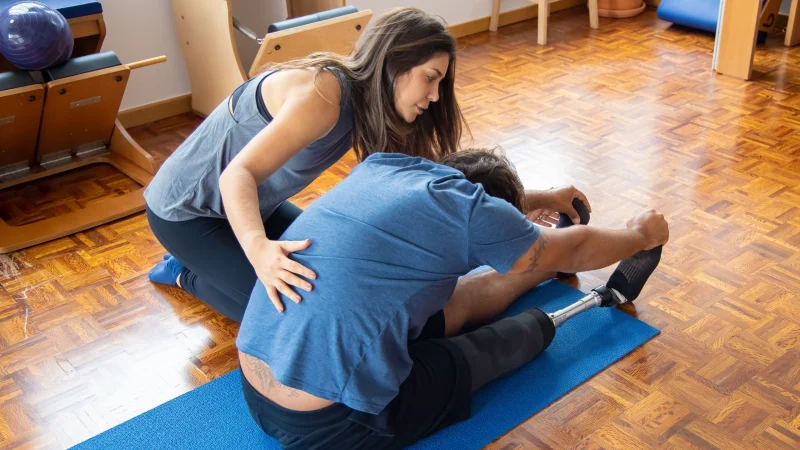


Types of Physiotherapy Supports Under NDIS

Table of Contents

At Roaming Therapy, we believe quality care should come to you. Physiotherapy remains one of the most valuable allied therapy services under the NDIS, empowering participants to move better, stay independent, and take part in everyday life.

The latest NDIS Quarterly Report (March 2025) shows the Scheme’s continued stability, with total expenses for the first nine months of 2024-25 at $34.2 billion, about $740 million below earlier projections. Participant numbers have now reached more than 717,000 Australians, and over 80% of adults who’ve been in the Scheme for two years or more report greater choice and control in their lives. These figures reflect not only the NDIS’s growing reach but also the impact of evidence-based supports like physiotherapy in improving daily mobility, confidence, and wellbeing.

Through flexible funding streams: Core Supports, Capacity Building, and Capital Supports, NDIS physiotherapy services can include mobility training, exercise programs, hydrotherapy, and equipment assessments tailored to individual goals. For many participants, mobile physiotherapy makes access even easier. Our Melbourne mobile physio team delivers personalised, one-on-one sessions at home, in the community, or in aged-care settings.

Whether you’re starting a new plan or reviewing your goals, Roaming Therapy’s mobile physiotherapy Melbourne NDIS services are designed to help you move with confidence, strengthen independence, and make the most of your NDIS support.

How Physiotherapy Fits Within the NDIS Framework

Physiotherapy is an essential NDIS-funded support that helps participants improve movement, mobility, and independence. It can be delivered through mobile physiotherapy or clinic-based sessions, depending on individual goals and what’s outlined in the participant’s plan. Understanding how physiotherapy fits within the NDIS framework helps ensure the right supports are accessed under the correct budget category.

For a full breakdown of how NDIS physiotherapy works, you can also read our Essential Guide for NDIS Physiotherapy.

  • Core Supports (Assistance with Daily Life): Under Core Supports, participants can access help with essential daily activities such as mobility training and safe transfer practice. These supports focus on maintaining safety and independence in everyday tasks rather than therapy-based skill building. In-home visits by our Melbourne mobile physio team are allowed under this category when they directly support daily living tasks and align with a participant’s NDIS goals.
  • Capacity Building (Improved Daily Living & Health and Wellbeing): Most NDIS physiotherapy services are funded through Capacity Building. This category covers programs that develop long-term independence and physical capacity, such as strength and balance training, hydrotherapy, pain management, and rehabilitation exercises. Working with a qualified NDIS physiotherapist from Roaming Therapy, either through a clinic or mobile physiotherapy Melbourne provider, ensures your therapy aligns with your plan goals and integrates with other allied therapy services like occupational therapy or exercise physiology.
  • Capital Supports (Assistive Technology and Home Modifications): Capital Supports fund high-value items such as mobility aids, standing frames, and wheelchairs, as well as home modifications to improve accessibility. Physiotherapists play a key role by conducting assessments and preparing reports that justify these supports for NDIA approval. A mobile physiotherapy provider can carry out these assessments directly in your home, ensuring that any recommended equipment or modifications suit your actual environment and daily needs.

Key Types of Physiotherapy Supports Covered by the NDIS

Under the National Disability Insurance Scheme (NDIS), physiotherapy is a vital therapeutic support that helps participants improve movement, strength, and independence in daily life. Whether provided in a clinic, at home, or through mobile physiotherapy, these services enable participants to achieve meaningful goals in the most comfortable and practical settings. Below are the main types of physiotherapy support recognised under NDIS funding.

1. Assessments and Evaluations

Every NDIS physiotherapy journey begins with a comprehensive functional assessment. An NDIS-registered physiotherapist evaluates a participant’s mobility, balance, posture, and overall physical capacity to identify specific support needs.

In mobile physiotherapy, these assessments can take place in the home or community environment, allowing the therapist to observe the actual movement challenges and make practical recommendations.

These reports are also used to support assistive technology or equipment funding requests, ensuring participants receive the right devices and tools for safe, independent living.

2. Mobility and Transfer Planning

Mobility is central to independence. Through NDIS-funded physiotherapy, practitioners design and demonstrate safe mobility and transfer techniques such as moving from bed to wheelchair, climbing stairs, or walking safely in public spaces.

A Melbourne mobile physio from Roaming Therapy can visit participants at home or in care settings to adjust walking aids, set up exercise routines, and provide real-time feedback. This personalised, on-site service model aligns with NDIS service provider travel rules and makes therapy more accessible for people with limited mobility.

3. Exercise-Based Rehabilitation and Gym Programs

Exercise-based rehabilitation is an essential part of physiotherapy under the Capacity Building – Improved Daily Living support category. NDIS physiotherapists create tailored exercise programs to build strength, flexibility, balance, and endurance.

With mobile physiotherapy from Roaming Therapy, Melbourne participants can complete these programs at home or in local community spaces, eliminating transport barriers. NDIS physiotherapists often collaborate with other allied therapy services, such as occupational therapy or exercise physiology, to ensure comprehensive physical and functional outcomes.

4. Hydrotherapy (Aquatic Physiotherapy)

Hydrotherapy, sometimes called aquatic physiotherapy, is delivered by registered physiotherapists and funded under the Therapeutic Supports category when clinically justified. It uses water’s buoyancy and resistance to support low-impact movement and rehabilitation for people with conditions such as arthritis, cerebral palsy, or post-surgical limitations.

At Roaming Therapy, our mobile physiotherapists can coordinate with local aquatic centres across Melbourne to provide supervised hydrotherapy sessions that complement broader physiotherapy programs and NDIS goals.

If you’d like to see how NDIS funding can also support hydrotherapy in other regions, explore our related guide, Hydrotherapy in Adelaide: How NDIS Funding Can Help You Access Therapy for more insights on how aquatic therapy fits within the NDIS framework and supports long-term wellbeing.

5. Paediatric and Early-Intervention Physiotherapy

For children under NDIS early childhood support (usually under 9 years old), physiotherapy focuses on improving motor development, coordination, and participation in play or school activities. Paediatric physiotherapists use engaging, play-based strategies to build physical skills and confidence.

Families often choose mobile physiotherapy for paediatric care because it allows sessions to happen in the child’s familiar environment whether at home, school, or in community settings, encouraging natural learning and comfort.

6. Equipment Prescription and Home-Modification Support

Physiotherapists play a key role in recommending and justifying funding for assistive technology (AT) and home modifications under the Capital Supports category. These may include wheelchairs, standing frames, mobility aids, or bathroom alterations to improve accessibility and safety.

Through mobile physiotherapy, assessments are carried out directly within the participant’s home, ensuring that prescribed equipment fits the environment and supports daily routines effectively.

7. Collaborative Allied Therapy Supports

NDIS physiotherapy often overlaps with other allied therapy services, including occupational therapy, speech therapy, and exercise physiology. Collaborative approaches help ensure consistent progress toward shared participant goals.

In mobile physiotherapy, this collaboration becomes even more efficient, as multiple therapists can conduct joint home visits and integrate their programs to support holistic physical and functional wellbeing.

Budgeting and Funding Structure for Physiotherapy Supports

Understanding how physiotherapy fits within the NDIS funding structure helps participants make informed choices, ensuring each session supports their goals for strength, mobility, and independence. Whether you’re accessing mobile physiotherapy in Melbourne from Roaming Therapy or attending an in-clinic session, knowing how different funding categories apply can make your therapy more effective and better aligned with your plan.

1. Core Supports: Assistance with Daily Life

Under Core Supports, participants can use funding for assistance that helps with essential daily tasks such as transferring safely, maintaining mobility, or performing basic exercises prescribed by their therapist.

While physiotherapy itself is generally funded under Capacity Building, some mobile physiotherapy sessions may complement Core Supports when they directly help you complete daily living activities, for instance improving balance or mobility for personal care and home independence.

For participants working with a physio in North Melbourne, this flexibility can be especially helpful for short-term rehabilitation or basic exercise routines that support day-to-day function.

2. Capacity Building: Improved Daily Living and Health & Wellbeing

Most physiotherapy and allied therapy services are funded under Capacity Building Supports, particularly within the Improved Daily Living and Improved Health & Wellbeing categories. These supports focus on building long-term strength, coordination, and independence through tailored therapy plans and regular progress reviews.

Mobile physiotherapy Melbourne services offer consistent, personalised sessions in your own environment without the need to travel. This approach is ideal for participants with mobility challenges or complex needs. In NDIS Broadmeadows and other Melbourne areas, many participants choose mobile physiotherapy for its convenience and ability to fit around home, school, or work life.

Partnering with the best physiotherapist Melbourne has to offer ensures your sessions are evidence-based and aligned with your NDIS goals, promoting functional improvement, confidence, and wellbeing.

3. Capital Supports: Assistive Technology and Home Modifications

When physiotherapy involves recommending or trialling assistive technology such as mobility aids, wheelchairs, or standing frames, the Capital Supports budget applies.

Physiotherapists conduct detailed assessments and provide the necessary documentation to justify funding for specific equipment or home modifications.

With mobile physiotherapy, these assessments can happen directly in your home, allowing your therapist to evaluate how equipment works in real-life conditions. This ensures that all modifications or devices are practical, safe, and suited to your daily environment.

4. Ongoing or Long-Term Physiotherapy Supports

Some NDIS participants require ongoing physiotherapy to manage chronic conditions or progressive disabilities. These longer-term therapy arrangements are usually funded under Capacity Building – Improved Daily Living, allowing for consistent review and adjustment over time.

Mobile physiotherapy makes it easier to maintain this continuity, offering high-quality, personalised care in familiar surroundings. For participants across North Melbourne and surrounding areas, this helps integrate therapy into everyday routines, encouraging better engagement and long-term results.

Preparing to Request NDIS Physiotherapy Supports

Before requesting NDIS funding for physiotherapy, it’s important to plan ahead and gather the right information. Whether you choose mobile physiotherapy or in-clinic sessions, preparation ensures your goals align with NDIS requirements and support categories.

  • Identify Clear, Goal-Linked Needs: Define what you want to achieve: improved mobility, strength, or independence. For example, if you’re looking for a physio in North Melbourne, your goals might focus on safe movement at home or reducing pain. Clear goals help justify funding under the correct NDIS category.
  • Gather Assessments and Referrals: Collect relevant medical reports, functional assessments, or recommendations from health professionals. Collaborating with allied therapy services such as occupational therapy and speech therapy strengthens your NDIS plan, especially for participants in areas like NDIS Broadmeadows. These assessments help demonstrate that physiotherapy is a reasonable and necessary support to achieve your goals.
  • Request an Itemised Service Proposal: Ask your physiotherapist to prepare a short service plan showing session frequency, therapy type, and expected outcomes. The best physiotherapist Melbourne participants rely on will tailor this plan to your personal goals, whether through in-clinic sessions or flexible mobile physiotherapy at home. Ensure this proposal is included in your NDIS Service Agreement and follows NDIS provider travel guidelines, which allow claims for travel time and distance within set limits.

By preparing these documents and aligning them with your NDIS goals, you’ll be in a stronger position to access the right physiotherapy support and achieve lasting improvements in mobility and independence.

Practical Steps to Access Physiotherapy Funding

Accessing NDIS funding for physiotherapy is easier when you understand how it fits within your plan. At Roaming Therapy, we help participants align their NDIS goals with the right mobile physiotherapy support to enhance movement, independence, and overall wellbeing.

The first step is to discuss your goals and physical needs with your Local Area Coordinator (LAC), NDIA planner, or Support Coordinator. They can help identify how physiotherapy contributes to your functional outcomes and which funding category applies. Next, book a functional assessment with one of our qualified physiotherapists. Our mobile physiotherapy in Melbourne team provides in-home, workplace, and community-based sessions, making therapy more flexible, accessible, and participant-focused.

Your physiotherapy supports may fall under different NDIS categories:

  • Core Supports – for help with everyday mobility, stretching, and exercise routines.
  • Capacity Building (Improved Daily Living) – for ongoing therapy programs that build strength, balance, and independence.
  • Capital Supports – for physiotherapy-recommended equipment or home modifications that promote safer movement.

To make the most of your plan, ensure your physiotherapy goals are clearly linked to improving your functional capacity and daily independence, meeting the NDIS requirement for supports that are reasonable and necessary. The Roaming Therapy team proudly delivers coordinated allied therapy services across North Melbourne, Broadmeadows, and surrounding suburbs, guided by some of the best physiotherapists in Melbourne who specialise in mobile and NDIS-funded care.

Frequently Asked Questions About NDIS Physiotherapy Supports

What types of physiotherapy supports are covered under NDIS?

Under the NDIS, physiotherapy is recognised as part of Therapeutic Supports (Registration Group 0128) and Early Childhood Intervention Supports (Registration Group 0118). These services may include manual therapy, tailored exercise programs, pain management, mobility and balance training, prescription of assistive equipment, and self-management education. The goal is to help participants improve strength, movement, and independence in daily activities.

Yes. The NDIS allows physiotherapy to be delivered at home, in the community, or at a clinic, depending on what best meets your goals. Providers can claim for travel time and related costs under the Provider Travel rules in the NDIS Pricing Arrangements. This means mobile physiotherapy such as services offered by mobile physio providers in North Melbourne or NDIS Broadmeadows is fully eligible when included in your plan.

During your NDIS planning or plan review meeting, discuss your mobility, rehabilitation, or pain-management goals. Physiotherapy is generally funded under Capacity Building – Improved Daily Living (Category 15). Bringing medical assessments or therapy reports can help show the need for this support and strengthen your request.

Absolutely. NDIS-registered physiotherapists can help manage chronic pain, improve movement, and maintain function using exercise, manual therapy, and assistive technology. These supports are designed to enhance quality of life and promote long-term independence.

Mobile physiotherapy involves a therapist travelling to your home or community setting for convenience and accessibility. Clinic-based physiotherapy takes place in a healthcare facility with specialised equipment. Both options are covered under the NDIS, and the choice depends on your goals, preferences, and mobility needs.

Share the Post:

Recent Posts

Benefits of Home Physiotherapy for Elderly in Melbourne

Staying active and independent is easier when care comes to you. This article explains how home physiotherapy for elderly Melbourne families rely on helps manage pain, improve balance, and support safe movement at home. Want to know if in-home physio is the right option for your loved one? Click to learn more.

Read More

Roaming Therapy’s Guide to Occupational Therapy for ADHD in Adults

Occupational therapy can help adults with ADHD build routines, improve focus, and manage daily challenges more confidently. In this guide, Roaming Therapy explains how occupational therapy for ADHD supports independence, work performance, and well-being. Want practical strategies that fit real life? Click to read the full guide and get started today.

Read More

How to Get an ADHD Assessment for Adults in Melbourne

Getting clarity around ADHD as an adult can feel overwhelming, but the right assessment makes all the difference. This guide explains how an ADHD assessment for adults Melbourne residents can access works, what to expect, and where to start. Ready to take the next step with confidence? Click to read the full guide.

Read More
Scroll to Top