


NDIS Overhaul 2026: Key Changes, Cuts & What Happens Next
Big changes are coming to the NDIS in 2026. From new eligibility rules to funding reforms, here’s what the overhaul means and what happens next.
Getting your child the right support for ADHD in Melbourne can feel overwhelming. Between long waiting lists, endless appointments, and trying to juggle work and family life, many parents feel stuck. But what if therapy could come to you?
A mobile occupational therapist might be exactly what your family needs. These specialists bring evidence-based ADHD support directly to your home, making life easier for everyone involved.
Traditional therapy means packing up the kids, driving across town, and hoping your child cooperates in an unfamiliar clinic.
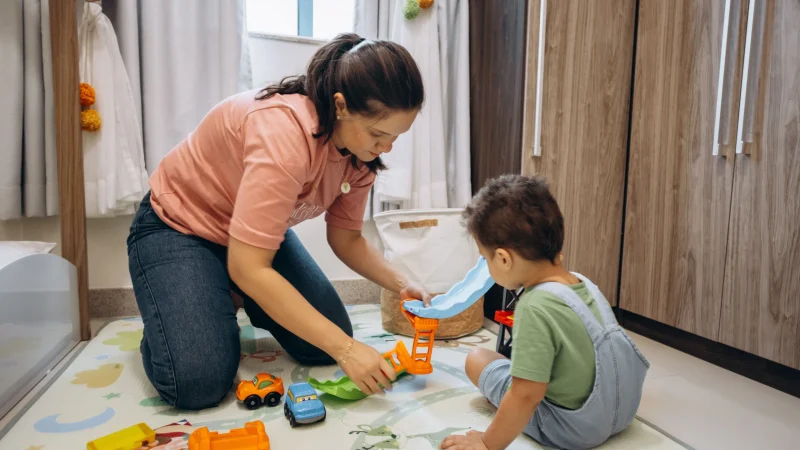
With Roaming’s mobile allied therapy services, your therapist arrives at your door with everything they need. They assess your child in their natural environment. No sterile clinic rooms or artificial settings. Just your child being themselves in their own space.
This approach works especially well for kids with ADHD. They’re more relaxed at home. Less anxious. More willing to engage when they’re not stressed about new surroundings.
Studies show ADHD affects about 7.4% of Australian children. That’s roughly 1 in 14 kids. For families dealing with ADHD, daily life can feel like a constant struggle.
Morning routines become battles. Homework turns into tears. Simple tasks like getting dressed or eating dinner become overwhelming for everyone.
Kids with ADHD often struggle with:
These challenges don’t exist in isolation. They ripple through every part of family life.
Mobile occupational therapy takes a whole-child approach. Your mobile occupational therapist doesn’t just work on isolated skills. They look at how ADHD affects your child’s entire day.
Many ADHD kids are sensory seekers or avoiders. They might crave movement or shy away from certain textures. Your mobile occupational therapist can spot these patterns in your home environment.
They’ll create a “sensory diet” – specific activities that help your child stay regulated throughout the day. Think of it as a prescription for sensory needs.
Organisation and planning don’t come naturally to ADHD brains. Mobile occupational therapists teach these skills in your child’s actual bedroom, at their homework desk, in your kitchen.
They’ll help create visual schedules, organise spaces, and teach your child step-by-step systems that actually work in real life.
Handwriting struggles? Trouble with sports? Many ADHD children have motor coordination challenges, too. Your mobile occupational therapist brings activities that strengthen these skills while keeping your child engaged.
Mobile occupational therapists teach kids to manage their feelings and energy. They use sensory tools or breathing exercises.
Mobile occupational therapist bring therapy right to your child. This means therapists come to your home, school, or daycare. It’s more than just convenient.
Therapists see your child in their natural setting. They see challenges exactly where they happen. This helps them create plans that truly fit your child’s life. Skills learned at home are much easier to use in daily life.
Kids practice new skills in their own environment. For example, organizing their actual school bag in their room. This helps skills stick for the long term.
Mobile occupational therapy often includes parent coaching. Therapists show parents how to use strategies every day. This empowers parents to be part of the therapy team. It creates a constant learning environment for the child.
No more long drives to appointments! This makes therapy easier to stick with. It’s especially helpful for families in regional areas.
ADHD can qualify for NDIS support. This means your mobile occupational therapy sessions could be funded through your NDIS plan.
Changes to NDIS funding in 2024-2025 have actually made it easier for families to access mobile services. The NDIA now recognises that home-based therapy often delivers better outcomes for children.
ADHD NDIS eligibility depends on how significantly the condition affects your child’s daily life. It’s not about the diagnosis itself; it’s about functional impact.
Your child needs to show that ADHD significantly affects their ability to:
Convenience matters, especially for ADHD families. Getting to appointments on time can be stressful when your child has time management challenges.
Mobile occupational therapy eliminates travel stress. No more rushing out the door or dealing with meltdowns in waiting rooms. Your therapist comes to you.
But convenience isn’t the only benefit. Home-based therapy is often more effective because:
Your child learns skills in the environment where they’ll actually use them. There’s no need to transfer learning from the clinic to home – they’re already there.
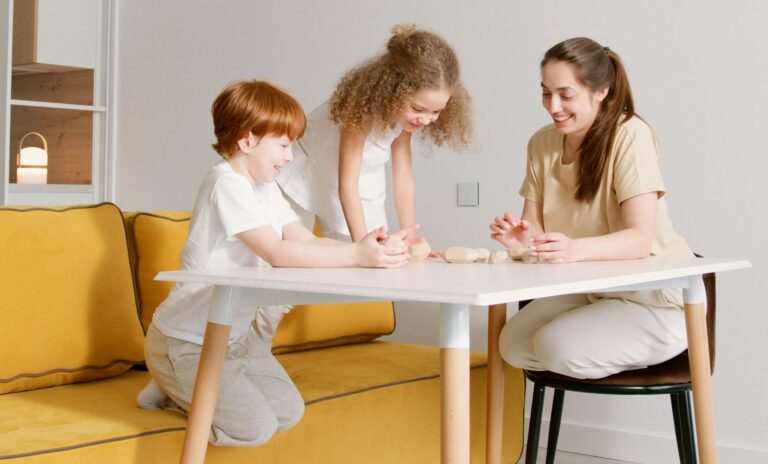
Parents become active participants. You watch every session, learn the techniques, and can implement strategies immediately.
Siblings get involved naturally. ADHD affects the whole family, and mobile OT acknowledges this reality.
Not all occupational therapists have the right expertise in ADHD or offer the convenience of mobile services. When searching for the right provider, keep an eye out for:
If you’re located in Melbourne or the Dandenong region, Roaming Therapy offers mobile occupational therapy services designed with your needs in mind. Our therapists bring ADHD-specific expertise right to your doorstep, helping children and families in the comfort and familiarity of home.
As mobile healthcare continues to grow, more families are turning to flexible, home-based options. Roaming Therapy is proud to be part of that shift, offering personalised, in-home support that fits into your routine, not the other way around.
Your mobile occupational therapist will arrive with assessment tools, activities, and lots of questions. They want to understand your child’s specific challenges and your family’s goals.
The first session usually involves:
Don’t worry about having a perfect house or a perfectly behaved child. Your therapist needs to see real-life challenges and all.
Ready to explore mobile occupational therapy for your child? Here’s what you need to know:
Start with your GP or pediatrician. They can provide referrals and help with NDIS eligibility assessments if needed.
If you’re already an NDIS participant, talk to your planner about including NDIS occupational therapy in your plan. Mobile services are increasingly recognised as effective and cost-efficient.
Research providers in your area. Look for those with ADHD experience and good family reviews.
ADHD doesn’t have to dominate your family’s daily life. With the right support, children can learn to manage their symptoms and thrive.
Mobile occupational therapy offers a practical, effective way to get that support. It brings expertise to your home, includes your whole family, and teaches skills where they matter most.
If you’re tired of struggling alone, consider reaching out to a mobile occupational therapist provider. Your child deserves support that works with their unique brain, not against it.
The journey with ADHD isn’t always easy, but you don’t have to walk it alone. Professional support is available, and it can come right to your door.
Big changes are coming to the NDIS in 2026. From new eligibility rules to funding reforms, here’s what the overhaul means and what happens next.
Choosing between an Occupational Therapist vs Physiotherapist for home modifications can be confusing. Each plays a different role in improving safety, mobility, and daily function at home. This guide explains who does what so you can make the right choice. Click to learn which expert you need.
Managing Parkinson’s can feel overwhelming, but the right support makes a difference. This guide explains how physio for Parkinson’s disease helps improve mobility, balance, and daily function. Learn how NDIS-funded physiotherapy in Melbourne can support your goals. Click to explore your options today.