



Melbourne Mobile Physio for Depression: The Hidden Disability Nobody Talks About

Table of Contents

Depression isn’t just a mental issue. It also harms your body. People often think about the cognitive aspects of depression. But we tend to ignore its impact on physical health.

It can drain your energy, mess with your sleep, and even make simple tasks feel impossible. But did you know it can also impact your mobility, and posture, and even cause muscle tension and pain? Addressing depression from a holistic perspective is very important.

You can use mobile physiotherapy as a tool to manage depression. Mobile physiotherapists can address the physical symptoms of depression. This blog will also cover how to use NDIS services to do it all from home.

What is Melbourne Mobile Physio?

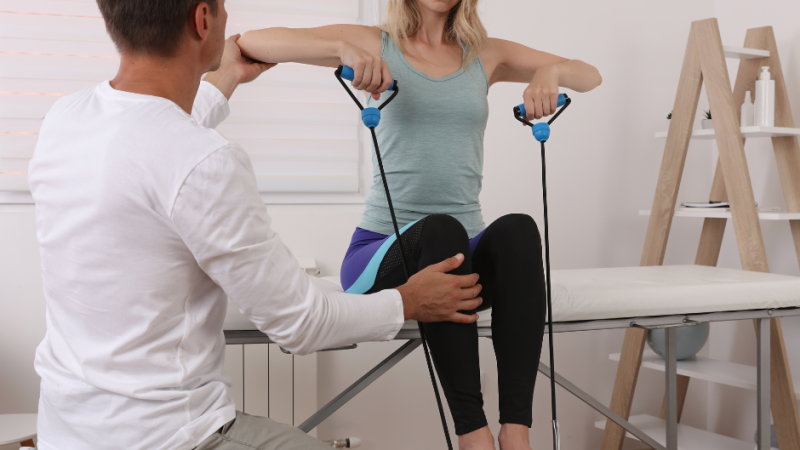
A mobile physiotherapist is a physiotherapist who makes home visits. Instead of travelling to a clinic, the mobile physiotherapist comes to you. This is beneficial for those who can’t leave home due to health issues, such as depression.

Why Choose Mobile Physiotherapy?

  • Convenience: No need to leave your house. If leaving home feels tough, mobile physiotherapy brings care to you. Enjoy treatment in the comfort of your own space.
  • Privacy: Visiting a clinic can be intimidating, especially for those with mental health issues. By having a home physio in Melbourne, you can receive private treatment. You don’t need others to see you in a vulnerable state.
  • Consistency: Regular visits foster a strong therapist-patient relationship. Your mobile physiotherapist will be able to track your progress. They will be able to adapt to treatment as needed.
  • Personalised Care: Your mobile physiotherapist can tailor treatments to meet your specific needs. May it be reducing muscle tension or boosting energy levels to combat depression.

Types of Physiotherapy Services Covered by the NDIS

Mobile physiotherapy services can help in a variety of ways:

  • Physical rehabilitation: It treats the physical symptoms of depression. These include muscle stiffness, poor posture, and decreased movement.
  • Exercise plans for mental health: Regular, tailored exercises can significantly improve mood and energy levels. Stretching, light walking, or yoga can help reduce depression.
  • Relaxation and stress relief techniques: A good NDIS physiotherapist can teach you techniques to manage stress and anxiety. These include deep breathing, mindfulness, and gentle stretches. They are very effective.

You can access all these mobile physiotherapy services in the comfort of your own home. You don’t need to commute or wait in a clinic.

Depression: A Mental Health Condition That Affects Your Body

Most people think of depression as a mental health condition but it’s much more than that. It can impact your physical health, too.

The Physical Side of Depression

People with depression often experience:

  • Fatigue: Being physically drained can lead to less movement. This can worsen stiffness and tension in muscles and joints.
  • Posture issues: Depression may make you slouch or hunch. This can cause neck, back, and shoulder pain.
  • Muscle tension: Stress and anxiety from depression can cause chronic muscle tightness. This leads to aches and pains.
  • Decreased mobility: Low energy can cause less movement. This affects your mobility and flexibility.

A mobile physiotherapist can help with these problems. They offer exercises that relieve tension and boost your mood and energy.

The Hidden Nature of Depression

One of the main challenges with depression is that it’s not always visible. You can look perfectly fine on the outside while battling a storm within. This is why depression is often called a “hidden disability.” It’s easy to overlook the link between depression and physical symptoms like pain, stiffness, and fatigue. But, these symptoms can make daily life very hard.

If you’ve been struggling with depression, you might have noticed that your body just doesn’t feel the same. The constant tiredness, aches, and lack of energy might make it harder for you to do even basic tasks.

How Mobile Physiotherapy Can Help Manage Depression

So, how exactly does physiotherapy help in managing depression? The connection between physical movement and mental health is well documented.

1. Physical Rehabilitation to Address Depression Symptoms

A mobile physiotherapist will first focus on easing the symptoms of depression. Whether it’s muscle stiffness, chronic pain, or lack of mobility, physiotherapy can help.

  • Reducing Muscle Tension. Depression can tighten your muscles, especially in the neck, shoulders, and lower back. A home physio in Melbourne can help relieve tension. They do this through soft tissue massage, mobilizations, and stretches. This can make you feel more at ease.
  • Improving Posture and Mobility. Poor posture often accompanies depression, which can lead to more physical discomfort. A mobile physiotherapist can guide you through exercises. They will improve your posture and flexibility, helping you move more easily.
  •  Increasing Movement. Even a little movement, like a short walk or stretching, can help. It can reduce lethargy and make you feel more energised.

2. Boosting Mental Health Through Physical Activity

We all know exercise is a powerful tool for combating depression. But it’s not just about running marathons. Small, controlled movements can have a big impact on your mood.

  • Exercise as an Antidepressant. Regular physical activity helps your body release endorphins—the “feel-good” hormones. These natural mood boosters can help you manage symptoms of depression.
  • Tailored Exercise Plans. Your NDIS physiotherapist can make a personalized exercise plan for you. It will suit your fitness and energy levels. It can include gentle stretching, yoga, or light cardio.

3. Stress Relief and Relaxation Techniques

Stress and depression often go hand in hand. Mobile physiotherapists can teach techniques to reduce stress. These include deep breathing, relaxation stretches, and gentle movement.

Breathing Exercises: These techniques can calm your nervous system. They help you cope with the strain of depression.

Stretching and Mindfulness: Mobile physiotherapists are trained in mindfulness. It helps you focus on your body and breath. This reduces anxiety and improves mental clarity.

4. Providing Accountability and Consistency

Consistency is key when managing depression. A great thing about mobile physiotherapy is its scheduled visits. They provide a sense of accountability. These sessions can help you stick to your exercise plan. They can also help you stay on track with your health.

The Role of the NDIS in Accessing Mobile Physiotherapy for Depression

If you or someone you know has depression, you may qualify for NDIS-funded mobile physiotherapy. The NDIS (National Disability Insurance Scheme) is an Australian program. It funds and supports people with disabilities, including mental health conditions.Many seniors find it hard to attend clinic appointments. This is often due to mobility issues, transportation problems, or pain. This is where a physiotherapist for a home visit becomes essential. In-home care Melbourne services treat seniors in a familiar, comfy place. They avoid the hassle of travel.

NDIS and Mental Health

NDIS funding is used to focus on physical disabilities. It now values mental health care. People with mental health issues, like depression, can get NDIS funding for mental health services, including mobile physiotherapy.

How to Access NDIS Funding for Physiotherapy

If you’re eligible for the NDIS, you can use your funding to access physio home visits and other allied health services. Here’s how it works:

  1. Create a Plan: With the help of an NDIS planner, you’ll create a plan that outlines the support and services you need.
  2. Choose a Provider: You can find NDIS service providers in Melbourne who offer mobile physiotherapy services. Make sure they have experience in managing mental health conditions.
  3. Start Your Sessions: After finding a provider, schedule your physiotherapist for home visits to start receiving support.

NDIS funding makes it easier for people with mental health conditions to access the treatment they need, right at home.

How Mobile Physiotherapy Supports Depression Recovery

Getting help for depression can be tough, especially when it comes to physical health. Here are some common barriers. Mobile physiotherapy can help you overcome them.

Mental and Physical Barriers

Stigma: Many still stigmatize mental health. Some may feel ashamed to ask for help.

Low Motivation: Depression often causes low energy and motivation. This makes it hard to start or stick to treatment.

How Mobile Physiotherapy Helps

  •   Comfort of Home: If leaving home feels impossible, mobile physiotherapists can help. They bring treatment to you, reducing travel stress.
  • Building a Relationship: Regular visits help build trust with your physiotherapist. This makes it easier to discuss your physical and mental well-being.

Why Mobile Physiotherapy Is a Game-Changer for Depression

Mobile physio in Melbourne offers a unique and holistic approach to managing depression. Mobile physiotherapy helps by improving both physical and mental health. It eases muscle tension, improves posture, and boosts your mood. 

With NDIS-funded services, you don’t have to worry about transportation or costs. Reach out to an NDIS service provider in Melbourne that offers mobile physiotherapy. You’ll be on your way to feeling better physically and mentally.

If you’re struggling with depression, mobile physio services in Melbourne can help. Allow yourself to feel better and reclaim your life.

Share the Post:

Recent Posts

NDIS Physio for Parkinson’s Disease in Melbourne

Managing Parkinson’s can feel overwhelming, but the right support makes a difference. This guide explains how physio for Parkinson’s disease helps improve mobility, balance, and daily function. Learn how NDIS-funded physiotherapy in Melbourne can support your goals. Click to explore your options today.

Read More

NDIS Home Modifications: Funding, Eligibility & Ideas

Understanding NDIS Home Modifications can help you create a safer, more accessible living space. From funding and eligibility to practical ideas, this guide covers what you need to know. Want to make the most of your NDIS plan? Click to explore your options and get started today.

Read More
Scroll to Top