

Mobile Allied Health Services at Home, School and in the Community

Table of Contents

Mobile allied health services bring qualified therapists to you instead of requiring you to travel to a clinic. Depending on your needs and the service being provided, therapy may take place at home, at school or in a community setting where everyday activities naturally happen.

For NDIS participants, children, older adults, people with disabilities, and families managing busy schedules, this approach can make therapy more accessible and practical. A therapist can observe how you move, communicate, complete daily activities or participate in your usual environment and use that information to provide support tailored to your goals.

Roaming Therapy provides mobile allied health services across Melbourne, Adelaide, Brisbane and the Gold Coast. This guide explains how mobile therapy works, who may benefit from it, what you can expect from a session, and how therapy at home, school and in the community can support everyday participation.

Why Choose Mobile Therapy Instead of Clinic-Based Appointments?

Traditional clinic appointments can be useful, but they are not practical for everyone. Travelling to appointments may involve transport arrangements, mobility challenges, fatigue, work or school commitments, and coordination between families and carers.

Mobile therapy can offer a practical alternative by bringing professional support into the environments where people already live, learn and participate.

mobile allied health services

1. Less Travel and Fewer Disruptions

A home visit can remove the need to organise transport to and from a clinic. This may be particularly helpful for people with mobility limitations, families with young children, older adults, or people who find travelling difficult.

For people in Brisbane who are deciding between different treatment settings, understanding the differences between home physiotherapy and clinic-based treatment in Brisbane can help determine which option is more practical for their circumstances.

2. Therapy in a Familiar Environment

A person’s home, classroom or community environment can provide valuable context that may not be visible in a clinic.

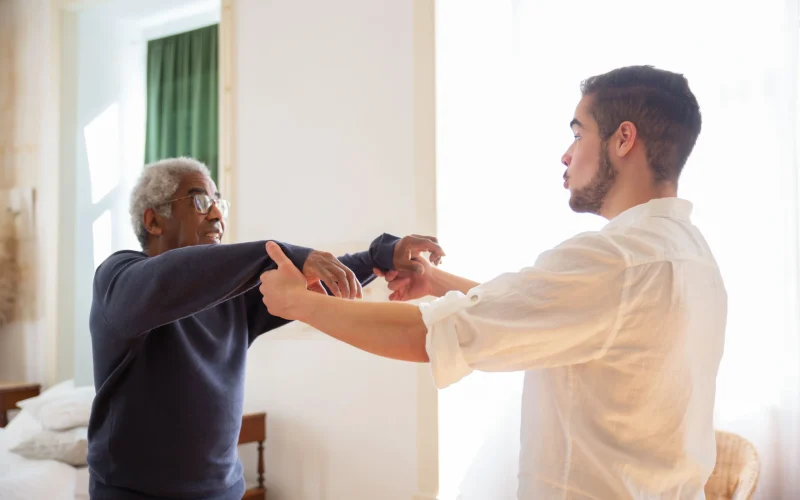
For example, an occupational therapist visiting a home may identify practical challenges with getting dressed, moving between rooms or using household equipment. A physiotherapist may observe how someone transfers from a chair or moves around their home.

3. More Practical Everyday Strategies

Therapy is often most useful when recommendations can be applied to everyday routines.

Rather than discussing a task only in a clinical environment, a therapist can work with a person in the setting where that task actually occurs.

4. Greater Collaboration With Families and Carers

Where appropriate, family members, carers, educators and support workers can be involved in sessions. This can help everyone understand strategies and reinforce them consistently between appointments.

How Does Mobile Allied Health Therapy Work?

The exact process depends on the service and the person’s needs, but a mobile therapy programme will generally involve several stages.

  • Initial Enquiry: You discuss your needs, goals, preferred service and location with the provider.
  • Assessment: A qualified therapist assesses relevant abilities, challenges and functional needs.
  • Goal Setting: The therapist works with you and, where appropriate, your family or support network to identify meaningful goals.
  • Therapy and Practical Strategies: Sessions are designed around the person’s goals and may involve exercises, activities, communication strategies, functional tasks or other appropriate interventions.
  • Review and Progress: Progress can be reviewed over time and therapy recommendations adjusted as needs and goals change.

For NDIS-funded therapy, supports need to meet relevant NDIS requirements and be appropriate to the participant’s disability-related goals and circumstances.

ndis physiotherapy services aged care physio in Brisbane

Mobile Allied Health Services at Home

Home-based therapy can be particularly useful when everyday activities are an important part of a person’s goals.

What Can Therapy at Home Address?

Depending on the service, a therapist may work on:

  • Moving safely around the home.
  • Transfers and mobility.
  • Personal care and daily living activities.
  • Communication within familiar routines.
  • Functional tasks such as dressing, meal preparation or household activities.
  • Exercise and physical activity.
  • Strategies for family members and carers.

For example, an occupational therapist may assess how a person manages a morning routine and suggest practical strategies to improve independence. A physiotherapist may work on safe movement between the bedroom, bathroom and living areas.

For Brisbane residents considering physiotherapy at home, it can also be useful to understand the conditions that may benefit from home physiotherapy in Brisbane, particularly when deciding whether home-based treatment is appropriate for a specific mobility or physical health concern.

The benefit is not simply that the therapist has travelled to the client’s home. The home itself becomes part of the assessment and therapy environment.

Therapy at School: Supporting Children Where They Learn

For children, therapy can be more meaningful when strategies are connected to their everyday school routines. A therapist may observe how a child participates in:

  • Classroom activities.
  • Communication and social interactions.
  • Play.
  • Fine and gross motor activities.
  • Self-care routines.
  • Transitions between activities.
  • Classroom participation.

Working With Families and School Staff

Where appropriate and with the necessary consent, therapists can collaborate with families, teachers and other members of a child’s support network.

For example, an occupational therapist may identify strategies that help a child participate more comfortably in classroom tasks, while a speech pathologist may work on communication goals that are relevant to school activities.

The aim is to help connect therapy strategies with the child’s normal routines and participation.

Community-Based Allied Health Therapy

NDIS 2025 price guide

Not every therapy goal can be addressed effectively at home. Some people need support with activities that happen in public or community environments.

Depending on the person’s goals and the therapist’s professional recommendations, community-based therapy may involve practising:

  • Safe community mobility.
  • Navigating public spaces.
  • Communication and social interaction.
  • Accessing local activities.
  • Confidence with everyday routines.
  • Physical activity and movement.
  • Functional skills outside the home.

For example, a therapist may support a person to practise navigating a familiar shopping centre, using community facilities or participating in an activity that is important to their daily life.

This can help connect therapy with real-world participation rather than keeping every activity within a clinical setting.

Who Can Benefit From Mobile Allied Health Services?

Mobile therapy may be suitable for people who find clinic-based appointments difficult, inconvenient or less relevant to their everyday goals.

This may include:

  • NDIS Participants: NDIS therapy supports can be used for eligible supports that meet NDIS requirements and relate to a participant’s disability and goals. The NDIS explains that therapy can support skills, independence and everyday functioning. For people considering physiotherapy through the NDIS in Melbourne, it is also important to understand conditions that may benefit from NDIS physiotherapy in Melbourne and how therapy can relate to individual functional goals.
  • Children and Families: Children may benefit from therapy delivered within familiar home, school or community routines, particularly when therapy goals relate to communication, participation, movement or independence.
  • Older Adults: Older adults may prefer therapy at home when travelling to a clinic is difficult or when their goals relate directly to mobility, independence and daily activities.
  • People With Disability or Mobility Challenges: Home and community visits can reduce the practical barriers associated with travelling to appointments and allow therapists to assess functional needs in the environments where they occur.
  • Families and Carers: Mobile therapy can also make it easier for families and carers to participate in sessions and understand strategies that may be useful between appointments.

What Services Does Roaming Therapy Provide?

Roaming Therapy provides mobile allied health services designed around individual goals and everyday environments.

Services may include:

Each service may be delivered in different environments depending on the person’s goals, clinical requirements and location.

Mobile Allied Health Services Across Australia

Roaming Therapy supports clients across multiple Australian locations. Availability and the services offered can vary by location, so it is important to check the relevant local service information before booking.

1. Melbourne

Clients looking for in-home and community-based support can explore Roaming Therapy’s mobile allied health services in Melbourne to learn more about local availability and service options.

Melbourne clients considering physiotherapy through the NDIS can also explore the information above about NDIS eligibility and conditions that may benefit from physiotherapy.

2. Adelaide

For clients in South Australia, the mobile allied health services in Adelaide page provides location-specific information about accessing therapy where you live and participate.

3. Brisbane

Families and participants in Queensland can explore mobile allied health services in Brisbane for more information about local mobile therapy options.

If physiotherapy is the service you need, the Brisbane-specific resources above can help you understand both suitable conditions and the differences between home and clinic-based care.

4. Gold Coast

For clients across the Gold Coast, the mobile allied health services on the Gold Coast page provides further information about local service availability.

Frequently Asked Questions

What are mobile allied health services?

Mobile allied health services are therapy services delivered by qualified allied health professionals at locations such as a person's home, school or community rather than requiring every appointment to take place in a clinic.

Depending on the provider and individual needs, home-based allied health may include physiotherapy, occupational therapy, speech pathology and exercise physiology.

Some allied health services can be delivered in school environments when appropriate. School-based sessions may help therapists understand classroom routines and work towards goals related to participation, communication, movement or independence.

Yes. Where appropriate, therapy may take place in community environments that are relevant to a person's goals. Examples may include local recreational areas, shopping centres or other suitable community settings.

Referral requirements can depend on the service, funding arrangement and individual circumstances. Contact Roaming Therapy to discuss your needs and determine the appropriate next step.

You should have a safe and comfortable area where the therapist can work. Depending on the service, it can also be useful to have relevant reports, referral information or details about your current goals available.

Why Choose Roaming Therapy for Mobile Allied Health?

Roaming Therapy brings allied health support into the environments where everyday life happens.

Rather than focusing only on what happens during a therapy appointment, the mobile model allows therapists to consider how a person moves, communicates, learns, exercises and manages daily activities within their usual environment.

The team works with clients, families, carers and other members of their support network to provide personalised therapy based on individual needs and goals.

With services available across Melbourne, Adelaide, Brisbane and the Gold Coast, Roaming Therapy offers flexible options for people looking for therapy at home, school or in the community.

Looking for Mobile Allied Health Services?

If you or someone you support could benefit from therapy delivered at home, school or in the community, Roaming Therapy can help you explore the available options.

Contact the team to discuss your goals, preferred location and the allied health service you are looking for.

Ready to explore mobile allied health services? Contact Roaming Therapy to discuss your needs and arrange the next step.

Important NDIS Information

NDIS funding depends on individual circumstances, plan requirements and current NDIS rules. Participants should check that a proposed support is an eligible NDIS support and aligns with their plan. For current information, refer to the NDIS or discuss funding questions with the appropriate NDIS contact.

Share the Post:

Recent Posts​

Telehealth Occupational Therapy in Brisbane: Who Is It Best For?

Telehealth occupational therapy offers a flexible way to access support from home. This guide explores who may benefit most from telehealth occupational therapy, including NDIS participants, busy families, and people in remote areas. Click to learn whether virtual occupational therapy is the right fit for your needs.

Read More
Scroll to Top