


Mobile Allied Health Gold Coast: Benefits for People with Disabilities

Table of Contents

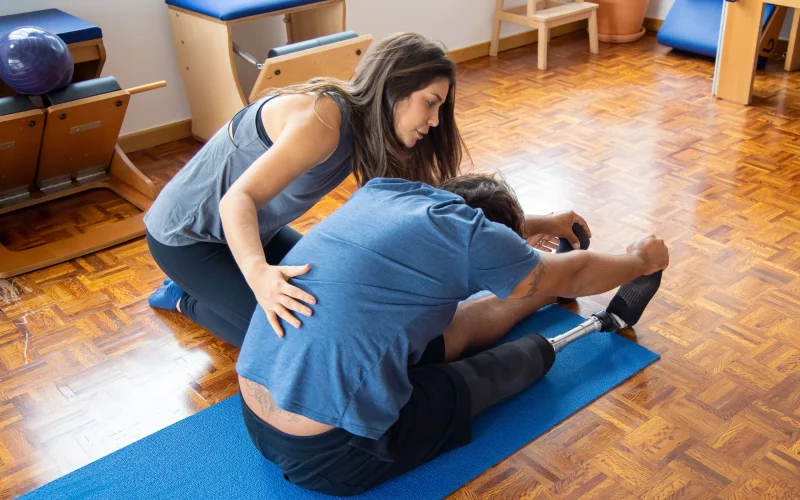
For people with disabilities, limited mobility or ongoing rehabilitation needs, receiving therapy at home can make it easier to work on meaningful goals in the environment where daily activities actually happen. Home visits can also allow therapists to identify practical barriers involving mobility, transfers, self-care, communication, safety and participation.

Roaming Therapy provides mobile allied health services across the Gold Coast, supporting NDIS participants, older adults and other people who may benefit from convenient home-based care. Services can be delivered in locations including Southport, Labrador, Helensvale, Hope Island, Elanora, Pimpama​, Burleigh Heads, Palm Beach, Currumbin, and surrounding Gold Coast suburbs.

What Is Mobile Allied Health?

Mobile allied health is therapy provided by qualified health professionals at a person’s home or another suitable community setting instead of requiring the person to attend a traditional clinic.

Home-based therapy can be particularly useful when travelling is difficult because of disability, reduced mobility, fatigue, accessibility requirements, reliance on carers or other practical barriers.

Instead of assessing a person only within a clinical environment, a therapist can observe relevant activities where they actually occur. This can provide useful information about how someone moves around their home, manages daily tasks and participates in their usual routines.

NDIS physiotherapy services

What Allied Health Professionals Can Visit Your Home?

Depending on individual needs and provider availability, mobile allied health may include:

  • Physiotherapy: Supports mobility, strength, balance, rehabilitation, movement and functional independence.
  • Occupational therapy: Helps people develop daily living skills and may involve functional assessments, assistive technology or home modification recommendations.
  • Exercise physiology: Provides structured exercise programmes designed around individual physical capacity, health needs and functional goals.
  • Speech pathology: Supports communication, speech, language and swallowing needs.
  • Other allied health services: Availability depends on the provider, the person’s needs and the relevant funding or service arrangements.

NDIS therapy supports can include services such as physiotherapy, occupational therapy, exercise physiology and speech pathology when the relevant NDIS funding criteria are met. The NDIS states that therapy supports should help improve or maintain skills and independence and require appropriate evidence from an allied health professional.

7 Benefits of Mobile Allied Health in Gold Coast

1. Reduces Travel and Transport Barriers

One of the clearest benefits of home-based therapy is eliminating the need to travel to a clinic. This can be especially valuable for people who:

  • Have difficulty walking or transferring
  • Use a wheelchair or mobility aid
  • Experience fatigue
  • Depend on carers or accessible transport
  • Find unfamiliar environments challenging
  • Need regular therapy appointments

For people living across the Gold Coast, including busy areas such as Southport, Robina and Broadbeach, avoiding unnecessary travel can make ongoing therapy easier to manage.

2. Provides Therapy in a Familiar Environment

Therapy at home allows professionals to see the person within their normal surroundings. For example, a physiotherapist may observe how someone:

  • Gets out of bed
  • Walks between rooms
  • Uses stairs
  • Transfers from a chair
  • Moves around the kitchen
  • Gets in and out of the bathroom

This can help make therapy more practical and directly connected to everyday activities.

3. Supports Greater Independence

A key goal of allied health is helping people improve or maintain functional skills and independence. Rather than focusing only on exercises performed during an appointment, home-based therapy can address the activities a person wants to perform more safely and confidently.

These may include:

  • Personal care
  • Household activities
  • Moving around the home
  • Transfers
  • Community access
  • Exercise and physical activity
  • Communication
  • Daily routines

4. Makes Therapy More Relevant to Real-Life Activities

A person may perform an exercise successfully in a clinic but experience difficulties completing the same movement at home. Home visits provide an opportunity to understand the difference.

For example, a therapist may identify that a person’s difficulty walking is affected by a narrow hallway, uneven surfaces, furniture placement or the transition between rooms. An occupational therapist may identify challenges with bathroom access, kitchen tasks or other daily activities.

These observations can inform practical strategies, equipment recommendations or further assessment where appropriate.

5. Allows Families and Carers to Be Involved

Family members, carers and support workers can sometimes participate in therapy sessions where appropriate and with the person’s consent.

This can help them understand:

  • How to support daily routines
  • How to encourage safe movement
  • How to follow recommended strategies
  • How to support therapy goals between appointments

The aim is not for family members or carers to replace professional therapy but to create a more consistent approach around the person’s everyday goals.

ot for kids with adhd melbourne

6. Makes Ongoing Therapy Easier to Maintain

Consistency can be important when working towards rehabilitation and functional goals. If travelling to appointments is a significant barrier, home visits may make it more practical to maintain therapy.

The frequency of appointments should be based on the person’s needs, goals, clinical assessment and relevant funding arrangements rather than a standard number of sessions for everyone.

7. Helps Identify Environmental and Safety Barriers

The home itself can sometimes contribute to difficulties with mobility and daily activities. During an appropriate assessment, an allied health professional may identify issues involving:

  • Stairs
  • Bathrooms
  • Entrances
  • Flooring
  • Transfers
  • Furniture layout
  • Mobility equipment
  • Kitchen access
  • Bedroom setup

Where appropriate, an occupational therapist may provide recommendations relating to assistive technology or home modifications.

The NDIS notes that assistive technology funding decisions consider factors including disability-specific needs, goals, evidence, cost and whether the support is more appropriately funded through another source.

How Mobile Allied Health Can Support NDIS Goals

NDIS therapy is not simply about attending appointments. Therapy should be connected to the participant’s disability-related needs, goals and functional outcomes.

The NDIS states that reasonable and necessary supports must relate to a participant’s disability and help them work towards their goals, among other criteria. Depending on the participant’s circumstances, therapy may contribute to goals involving:

  • Improving mobility
  • Increasing independence
  • Building daily living skills
  • Improving physical capacity
  • Increasing community participation
  • Developing communication skills
  • Improving safety
  • Maintaining functional abilities

For example, a participant whose goal involves becoming more independent at home may work with a physiotherapist on transfers and mobility or with an occupational therapist on functional daily living skills.

The exact funding available depends on the individual’s plan and circumstances. A recommendation from a health professional does not automatically mean that the NDIS will fund every recommended support.

For more information, read our guide on how to use NDIS funding for physiotherapy services in Gold Coast.

What Happens During a Mobile Allied Health Home Visit?

The exact process depends on the service and individual needs, but a first appointment will generally involve an assessment and discussion of goals.

  • Discuss Your Goals: The therapist may ask about your main concerns and activities you find difficult. They may also ask about your current abilities, support network, home environment, and NDIS goals, where relevant.
  • Complete an Assessment: The therapist assesses areas relevant to the service being provided. For physiotherapy, this may involve mobility, strength, balance, movement or functional activities. For occupational therapy, the assessment may focus on daily living, functional capacity, home safety or other occupational performance needs.
  • Identify Practical Barriers: The therapist considers how your environment and current routines may affect your ability to achieve your goals.
  • Develop an Individualised Approach: The therapist can then develop recommendations, exercises, strategies or therapy goals based on the assessment.
  • Review Progress: Future sessions can be used to monitor progress, modify the approach and work towards agreed functional outcomes.
mobile allied health in Gold Coast

Choosing a Mobile Allied Health Provider in Gold Coast

Choosing the right provider involves more than simply finding someone who offers home visits.

1. Check Their Service Area

Confirm that the provider actually services your suburb.

Roaming Therapy provides mobile allied health services across many areas of the Gold Coast, including Northern, Central, Southern and Western Gold Coast suburbs.

Service availability can vary, so it is best to confirm your address before booking.

2. Check the Services They Offer

Consider whether the provider offers the type of support you need, such as:

  • Physiotherapy
  • Occupational therapy
  • Exercise physiology
  • Speech pathology
  • Functional assessments
  • Mobility support
  • Home-based rehabilitation

A provider offering multiple disciplines may make it easier to coordinate different areas of support.

3. Check Professional Qualifications and Registration

When choosing an allied health professional, check their qualifications and registration where applicable.

AHPRA maintains Australia’s register of practitioners, including registered physiotherapists, occupational therapists and other regulated health professions.

4. Ask About NDIS Experience

If you are an NDIS participant, ask whether the provider understands:

  • NDIS therapy supports
  • Participant goals
  • Therapy reporting
  • Plan management arrangements
  • Support coordination
  • Functional outcomes
  • Relevant funding requirements

5. Consider Communication and Collaboration

Good communication between the participant, therapist, family members, carers and support team can make therapy easier to coordinate.

Ask how the provider communicates progress and whether they can work collaboratively with your broader support network where appropriate.

Frequently Asked Questions

Can NDIS participants receive allied health services at home?

Yes, eligible NDIS participants may be able to receive therapy at home when the relevant support meets NDIS funding requirements and is included or otherwise appropriately funded under their plan.

The NDIS currently identifies physiotherapy, occupational therapy, exercise physiology and speech pathology among examples of therapy supports.

Yes. Roaming Therapy provides mobile NDIS physiotherapy across many Gold Coast suburbs. Home-based physiotherapy can focus on areas such as mobility, strength, balance, rehabilitation, transfers and functional movement, depending on the individual's needs.

Referral requirements can vary depending on the service, provider and funding arrangement. Contact the provider to discuss your circumstances and determine what information is required before your first appointment.

There is no standard number of sessions that applies to everyone. Frequency should be based on individual goals, clinical needs, expected outcomes and relevant funding arrangements.

Yes. Occupational therapists may assess aspects of a person's home environment that affect safety, independence and daily activities. Depending on the individual's needs, this may include recommendations relating to equipment, assistive technology or home modifications.

Roaming Therapy provides services across many Northern, Central, Southern and Western Gold Coast suburbs. If your location is not listed, contact the team to confirm whether mobile services are currently available in your area.

Looking for Mobile Allied Health in Gold Coast?

If travelling to a clinic is difficult or you want therapy that is connected to your everyday environment, mobile allied health may be a practical option.

Roaming Therapy provides personalised mobile physiotherapy and telehealth occupational therapy across the Gold Coast, with support tailored to individual goals and needs.

Whether you are an NDIS participant, family member, carer or someone looking for home-based therapy, the team can discuss your needs and help determine the most appropriate next step.

Call Roaming Therapy on 0466 096 020 or contact the team to discuss mobile allied health services in Gold Coast.

Share the Post:

Recent Posts​

Telehealth Occupational Therapy in Brisbane: Who Is It Best For?

Telehealth occupational therapy offers a flexible way to access support from home. This guide explores who may benefit most from telehealth occupational therapy, including NDIS participants, busy families, and people in remote areas. Click to learn whether virtual occupational therapy is the right fit for your needs.

Read More
Scroll to Top